The Black Clam: An Ecological Guardian of Freshwater Environments
The Black clam (scientific name: Corbicula fluminea; also known as the yellow clam or Asian clam) is a small freshwater bivalve belonging to the family Corbiculidae within the order Corbiculida. It is widely distributed in rivers, lakes, and ponds throughout East Asia, It inhabits muddy and sandy substrates at depths of 0.5–5 meters, primarily in nutrient-rich areas of water bodies such as Dongting Lake and Poyang Lake in the Yangtze River basin. A large-scale production area has been established in Jinxi Town, Kunshan City, Jiangsu Province, and in 2022, the black clam from this region was included in the National Catalog of Famous, Special, Superior, and New Agricultural Products. As filter-feeding organisms in the ecosystem, they serve to purify water while also possessing both edible and medicinal value.
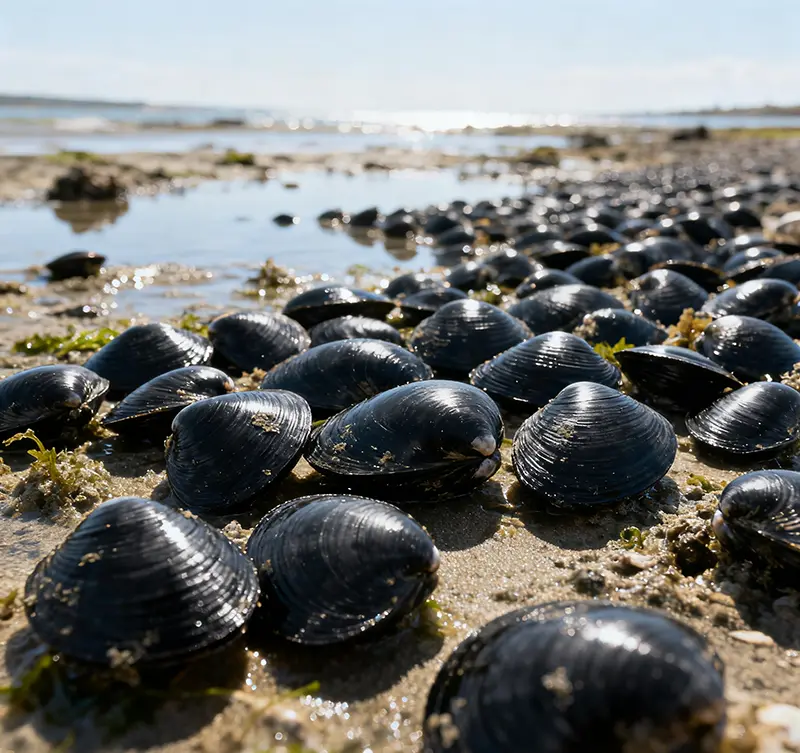
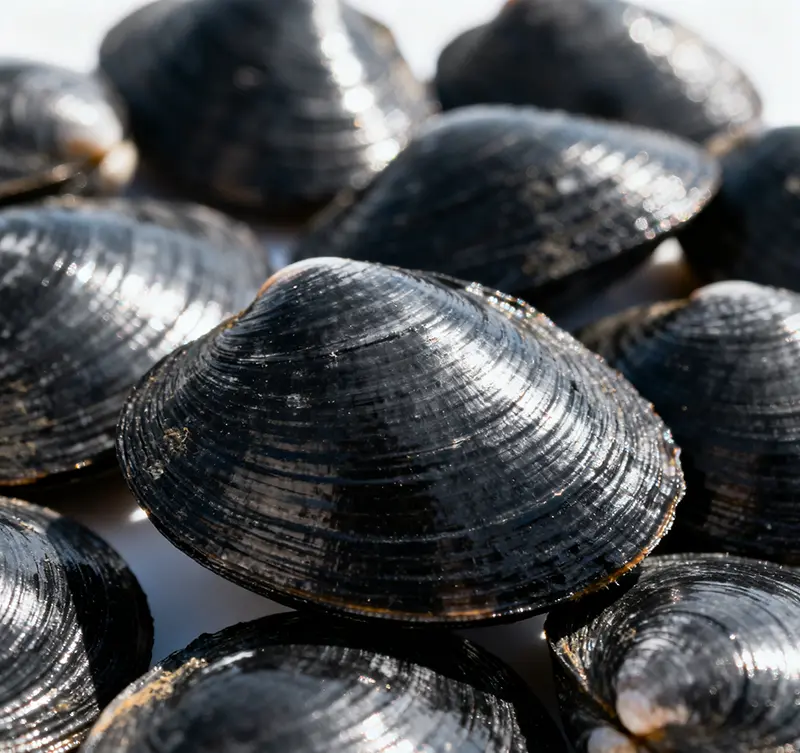
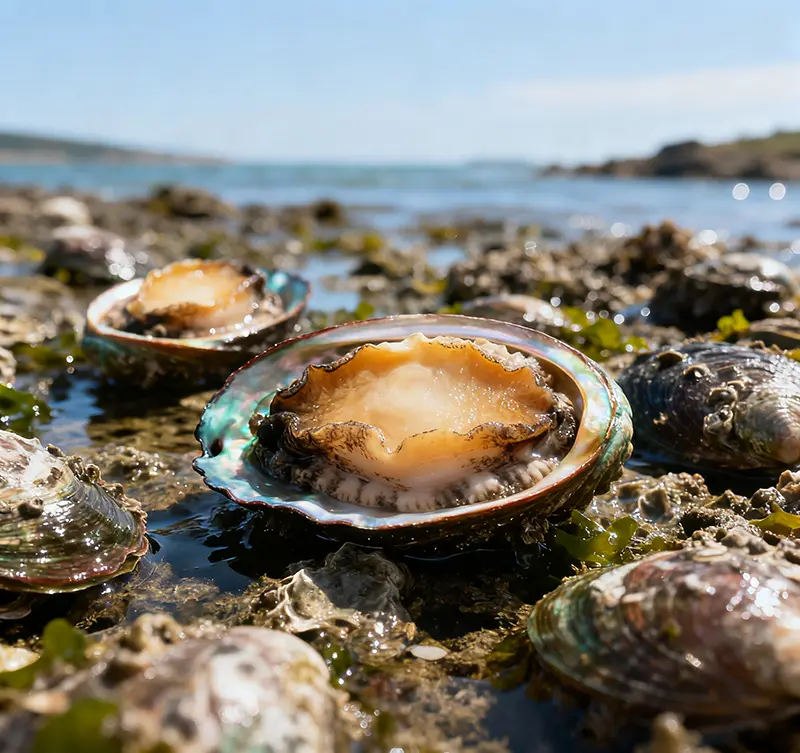
The shell of the black clam is typically 2–3 cm long, with a maximum length of 4 cm. It is round-triangular or nearly circular in shape, with a thick, sturdy shell. The two valves are equal in size but asymmetrical, with a rounded, blunt front and a slightly truncated rear. The apex is prominent, located slightly forward of the center of the dorsal surface. The shell surface features distinct concentric growth rings; the rings are fine, dense, and regular, with 10–15 rings forming annually, which can be used for age determination. Shell color varies, typically ranging from dark brown, yellowish-brown, or dark green; the inner surface is purple or white with a pearlescent luster. The hinge region is well-developed, with each valve bearing three main teeth: the central tooth is robust and bifurcated, while the lateral teeth are slender and elongated. Compared to clams of the Order Veneridae, the black clam has a thicker, heavier shell, a rounder shell shape, and a more complex hinge tooth structure. The shells of juveniles are thin and transparent, gradually thickening and developing pigmentation as they grow.
The soft body of the black clam is highly adapted to freshwater environments. The foot is tongue-shaped, muscular, and highly retractile, used for moving across the substrate and burrowing. The siphons are short; the inhalant and exhalant siphons are fused at the base but separate at the tip. The edges of the inhalant siphon bear minute tentacles used for sensing and filtering food. The gills are lamellar, with dense gill filaments; ciliary movement creates water currents, resulting in high filter-feeding efficiency. The digestive system includes the mouth, esophagus, stomach, intestine, and digestive glands. The stomach contains crystalline rod structures that rotate to release digestive enzymes, aiding in food breakdown. There are two adductor muscles: the anterior adductor is smaller, while the posterior adductor is larger, enabling rapid shell closure in response to external threats. Compared to marine clams, the black clam possesses a more developed osmotic regulation system, allowing it to adapt to the low-salinity conditions of freshwater environments.
The black clam is a typical benthic organism, preferring to inhabit waters with slow currents and substrates composed of fine sand or a mixture of mud and sand. Using its well-developed foot, the black clam can move across the substrate surface or burrow into it, typically to a depth of 2–5 centimeters. Their movement is relatively slow, at a rate of a few centimeters per hour, primarily achieved through the contraction and expansion of the foot and the secretion of mucus. Black clams are selective regarding substrate particle size, preferring particles of 0.1–0.5 mm. This substrate provides a stable habitat while facilitating movement and feeding. Under unfavorable environmental conditions, the black clam can temporarily attach itself to hard surfaces using its byssal threads and resume movement once conditions improve. Compared to the river clam (Corbicula japonica), the black clam has a broader range of substrate tolerance and can survive in finer-grained muddy environments.
The black clam is a filter-feeder that primarily generates water flow through the movement of gill cilia to filter suspended particles from the water. Its diet includes phytoplankton (diatoms, green algae), organic detritus, bacteria, and microzooplankton. Feeding is selective; through the coordinated action of the labial valves and gill filaments, the clam selects food particles of suitable size (2–20 micrometers). Feeding rates are influenced by water temperature, prey density, and water flow. Under optimal conditions of 20–25°C, a single adult can filter 1–2 liters of water per day. Black clams can also directly absorb dissolved organic matter from the water through their mantle epithelium; this dual nutritional strategy allows them to survive even when prey is scarce. Compared to filter-feeding fish, the black clam exhibits higher feeding efficiency and can utilize microscopic particles in the water more effectively.
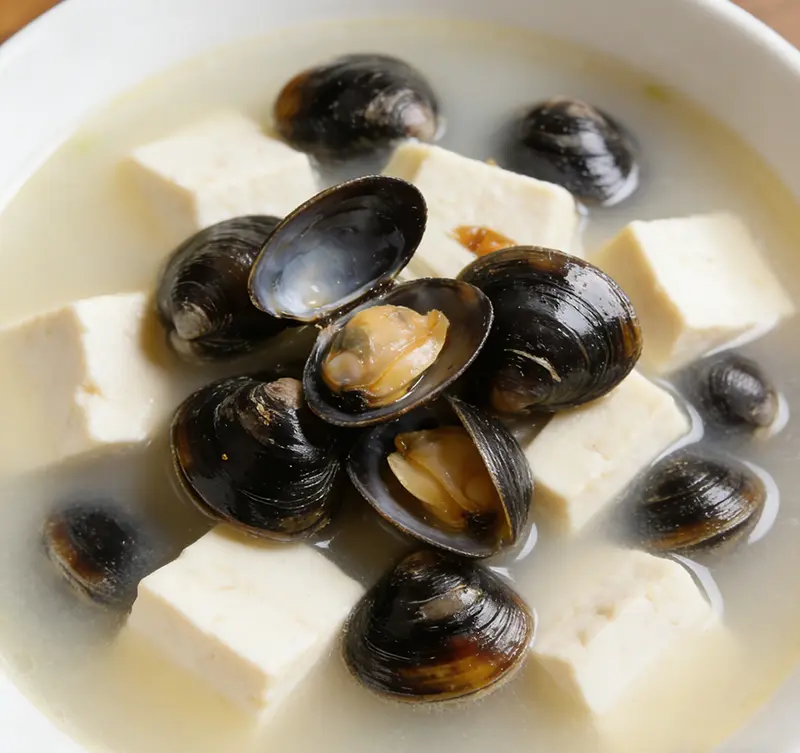
Black clam meat is tender, delicious, and nutritionally rich. Per 100 grams of fresh meat, it contains 8–10 grams of protein, 0.5–1 gram of fat, and 2–3 grams of carbohydrates. It is rich in various minerals, particularly iron (5–7 milligrams), zinc (2–3 milligrams), and selenium (20–30 micrograms). Its vitamin composition is dominated by B vitamins, with a relatively high content of vitamin B12 (3–5 micrograms). Black clam meat is rich in taurine (200–300 mg/100 g), which has various physiological functions, including promoting bile secretion, improving vision, and protecting the heart muscle. Unique flavor compounds such as succinic acid, glycine, and alanine give it a distinctive sweet and savory taste. Studies indicate that moderate consumption of black clams can help improve anemia, boost immunity, and protect liver function. However, due to their high purine content (approximately 100 mg/100 g), individuals with gout should consume them in moderation.
Special attention must be paid to the food safety of black clams, as they may accumulate various contaminants. The main risks include:
1) Microbial contamination, particularly E. coli and Salmonella, primarily resulting from water pollution;
2) Heavy metal contamination, such as lead, cadmium, and mercury, which tend to accumulate especially in the internal organs;
3) Parasitic infections, as the larval stages of certain trematodes may parasitize within the clams;
4) Biotoxins, such as cyanotoxins, which accumulate through the filter-feeding of toxic algae.
Control measures include: selecting products from clean farming areas, thorough cooking (maintaining a core temperature of 85°C or higher for 1 minute), adequate sand purging before consumption (holding in clean water for 24–48 hours), and avoiding the consumption of internal organs. EU regulations require shellfish products to be labeled with their harvest area, and products from certain high-risk areas are prohibited from being consumed raw.
Major Commercial Varieties — Common clam species worldwide include:
Black Clam (Corbicula fluminea): The primary farmed species in Asia, with a dark shell and strong adaptability
River Clam (Corbicula japonica): A species endemic to Japan, with a relatively thin shell and a sweet, delicate flavor
Yellow Clam (Corbicula sandai): A species endemic to China, with a yellowish-brown shell and delicious meat
Taiwan Clam (Corbicula formosana): Found in Taiwan, smaller in size, with a unique flavor
Black clams play a vital role in freshwater ecosystems:
1) Purify water quality through filter feeding, reducing water eutrophication
2) Promote bottom aeration and nutrient cycling
3) Provide habitat for other benthic organisms
4) Serve as a key link in the food chain, supporting fish and waterbird populations
Due to environmental pollution and overfishing, black clam resources in some regions are under pressure. Conservation measures include:
Establishing protected areas and water conservation zones; implementing size and catch limits; conducting artificial restocking; and improving aquaculture environments and management. Consumers should choose products from sustainable sources to support responsible fishing and aquaculture practices.
As a vital component of freshwater ecosystems and a traditional aquatic resource, the ecological functions and economic value of the black clam warrant attention. Through scientific management and sustainable use, we can ensure the long-term survival of this resource while maintaining the health of freshwater ecosystems. While enjoying the delicious taste of black clams, consumers should also be mindful of their origin and food safety, working together to protect this precious freshwater bivalve resource.
Morphological and biological data are referenced from *Fauna of China: Mollusca* and *Biology of Freshwater Mollusks*.
Ecological and aquaculture data are sourced from FAO fisheries statistics and relevant research reports.
Nutritional and safety information is based on national food safety standards and relevant research literature.
Conservation and management information is referenced from the International Union for Conservation of Nature (IUCN) and local fishery resource reports.
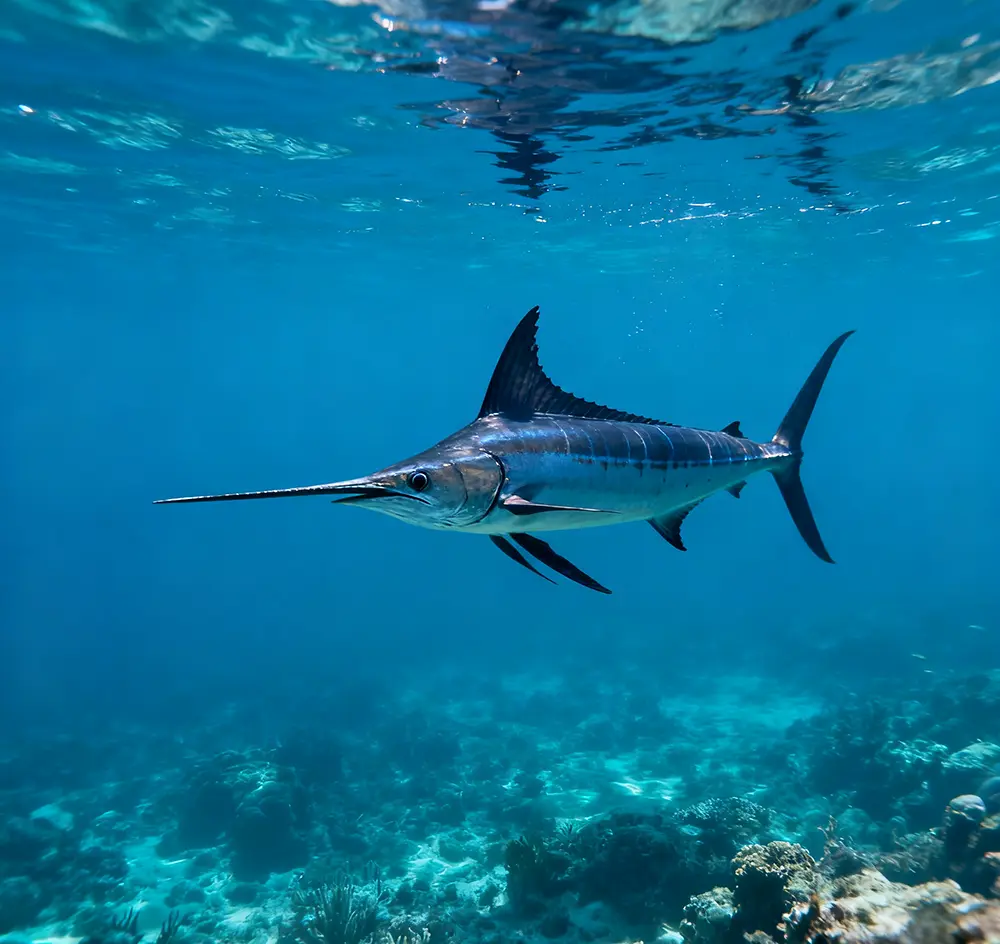 Swordfish: The Silver Blade of the Ocean
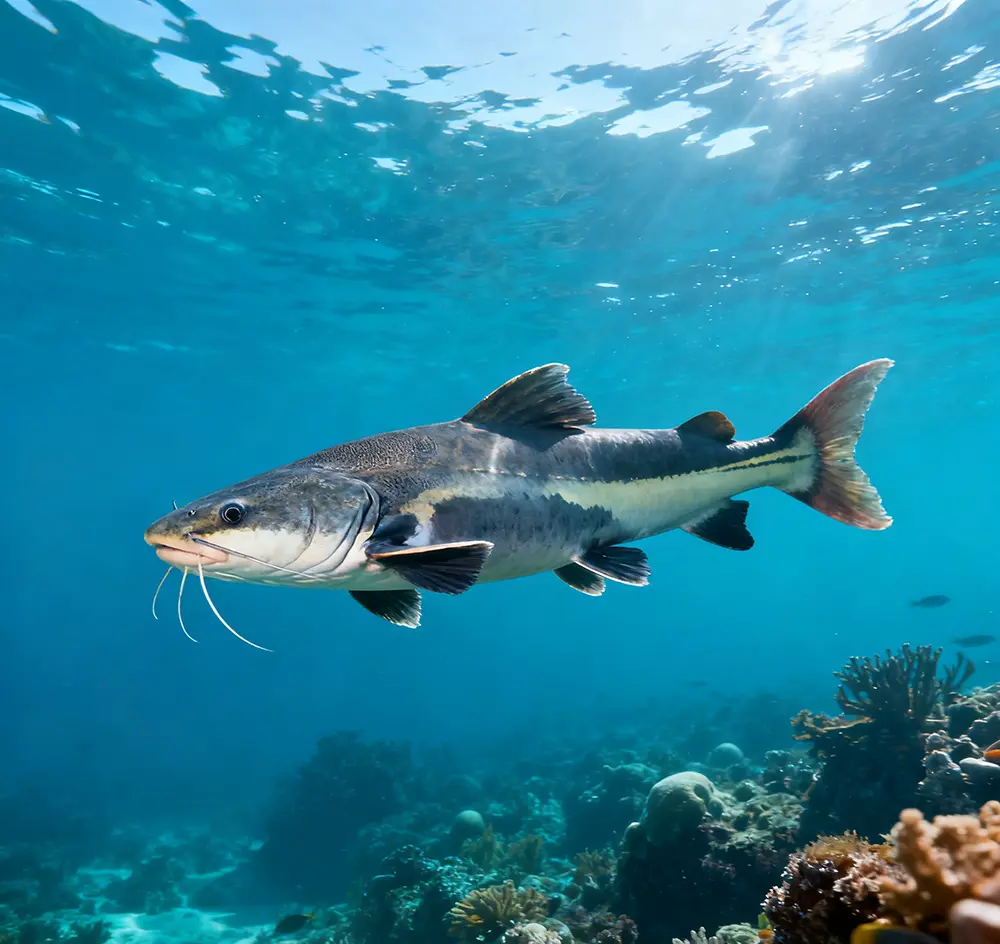 Hardhead Catfish Decoded: Morphology, Habits, Edible Value, Varieties, and Timing
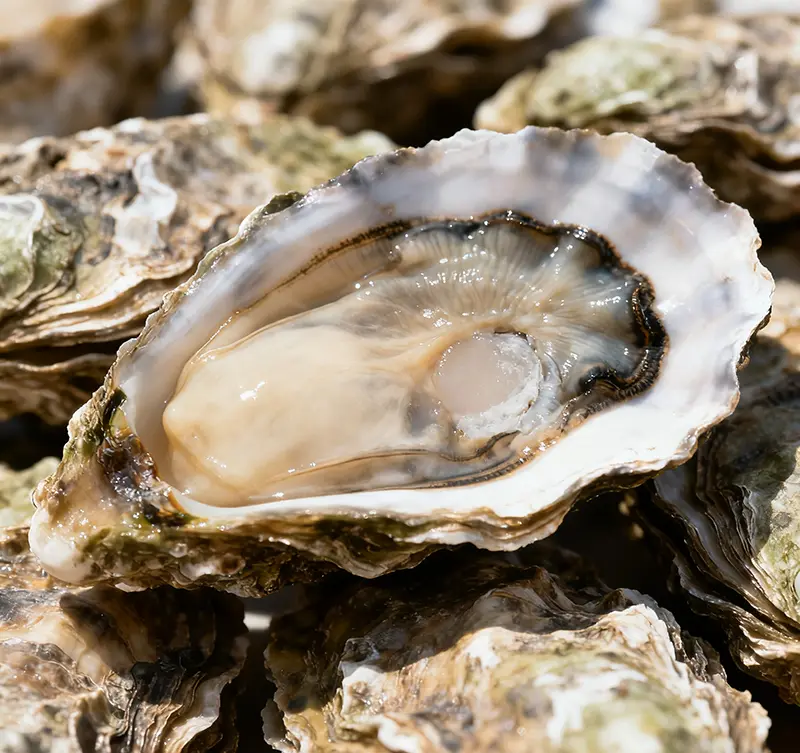 Oysters: Living Filters of the Ocean
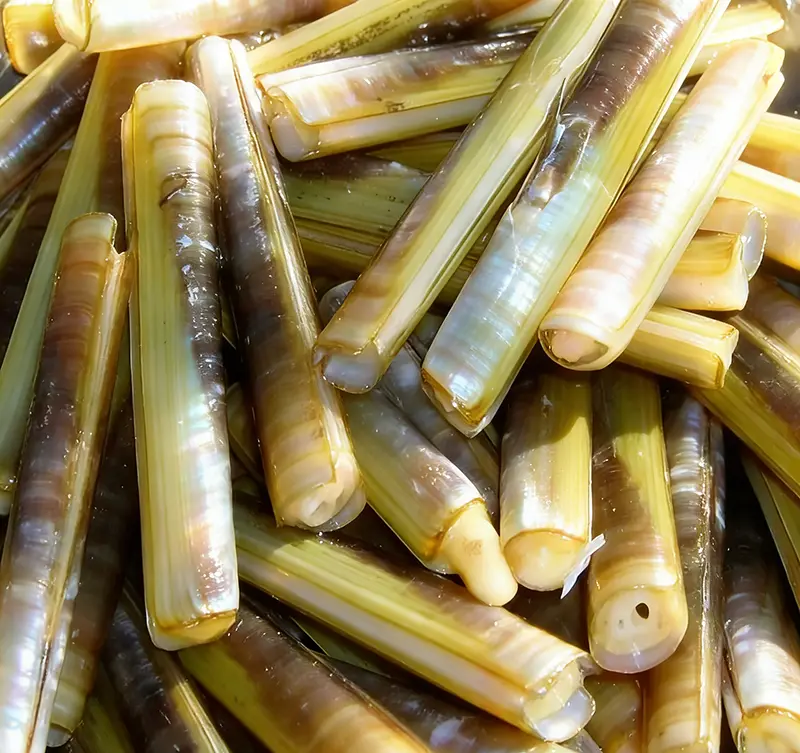 On the Bamboo Clam: Morphology, Burrowing Habits, Edible Value, Species Diversity, and Seasonal Occu
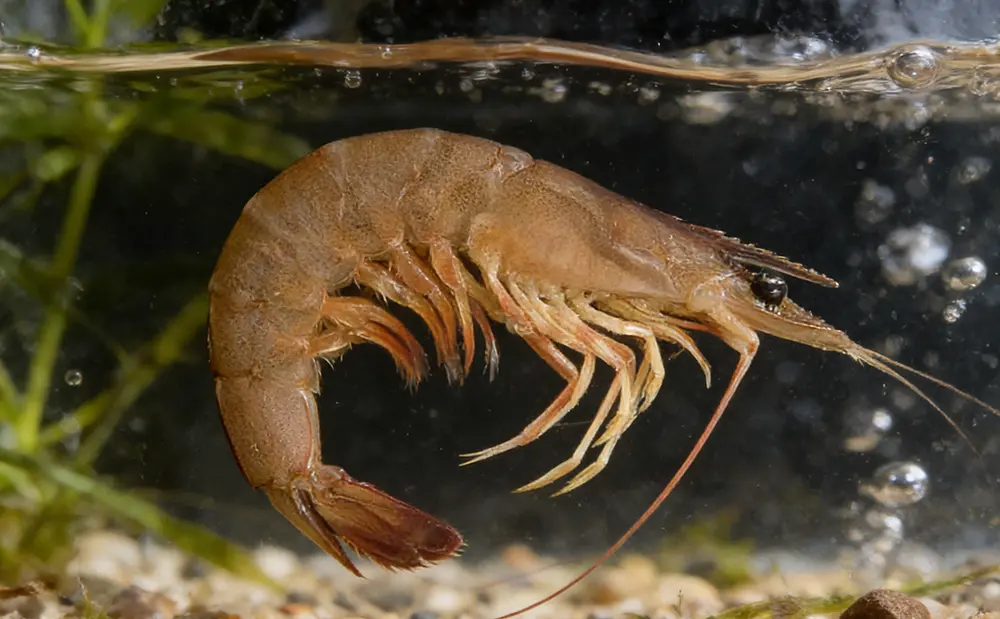 Comprehensive Study of the Giant Tiger Prawn (Penaeus monodon) in Indonesian Waters
Comprehensive Study of the Giant Tiger Prawn (Penaeus monodon) in Indonesian Waters
Oysters: Living Filters of the Ocean
Oysters: Living Filters of the Ocean
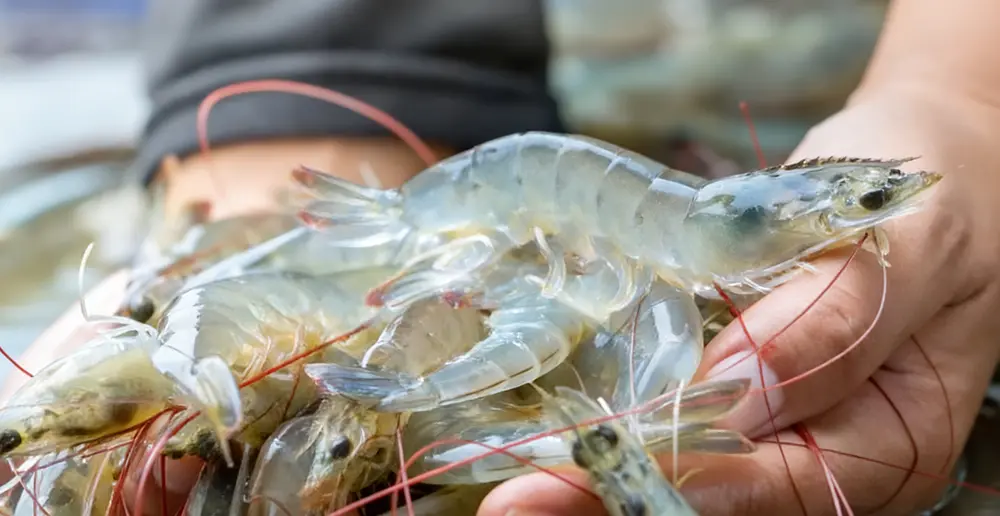 A Comprehensive Analysis of the Indonesian White Prawn (Penaeus merguiensis)
A Comprehensive Analysis of the Indonesian White Prawn (Penaeus merguiensis)
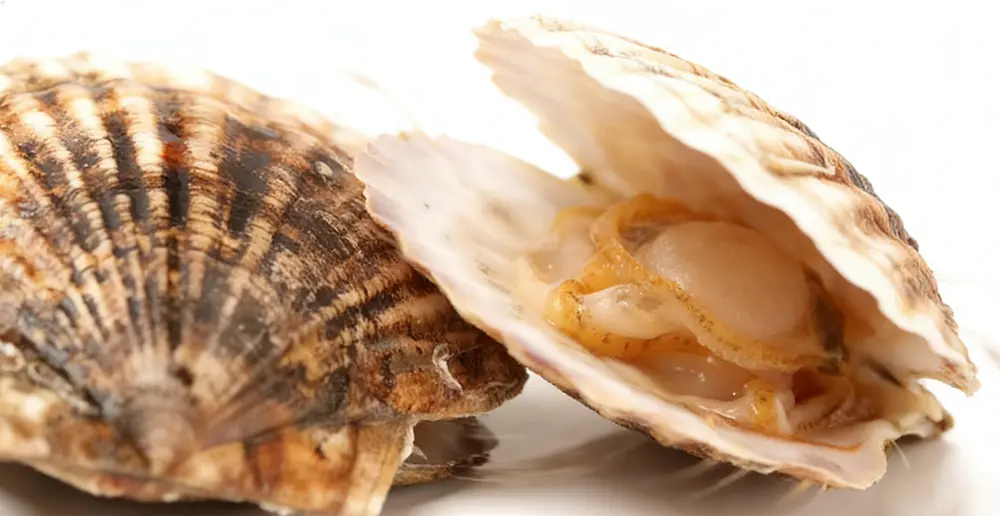
4The Black Clam: An Ecological Guardian of Freshwater Environments
5Rapana venosa in a Changing Marine Environment
6Turbo cornutus: A Multifaceted Investigation
7The White Clam Breakdown – Morphology → Habits → Edibility → Varieties → Season
8What’s Hard Clam? Shape, Flavor, Types, and the Right Time to Eat
9From Beach to Bowl: Understanding the Sand Clam
10On the Bamboo Clam: Morphology, Burrowing Habits, Edible Value, Species Diversity, and Seasonal Occu