Current location:首页 > Fish > Yellowfin Tuna | Chuanzai | Huangqi Chuan | 黄鳍金枪鱼: An Analysis of the Biology and Utilization Value
Yellowfin tuna (黄鳍金枪鱼, *Thunnus albacares*), also known as yellowfin
mackerel, Kihada, yellow-fleshed tuna, Chuanzai, or Huangqi Chuan, is a species
of tuna belonging to the family Scombridae within the order Perciformes.
Yellowfin tuna is primarily distributed in the tropical and subtropical waters
of the Pacific, Indian, and Atlantic Oceans. It is also found in the South China
Sea and waters near Taiwan. As a warm-water pelagic species, it is sensitive to
salinity, avoiding areas with low salinity, and prefers depths of 50–200 meters.
It is the most widely distributed large commercial species within the Thunnus
genus.
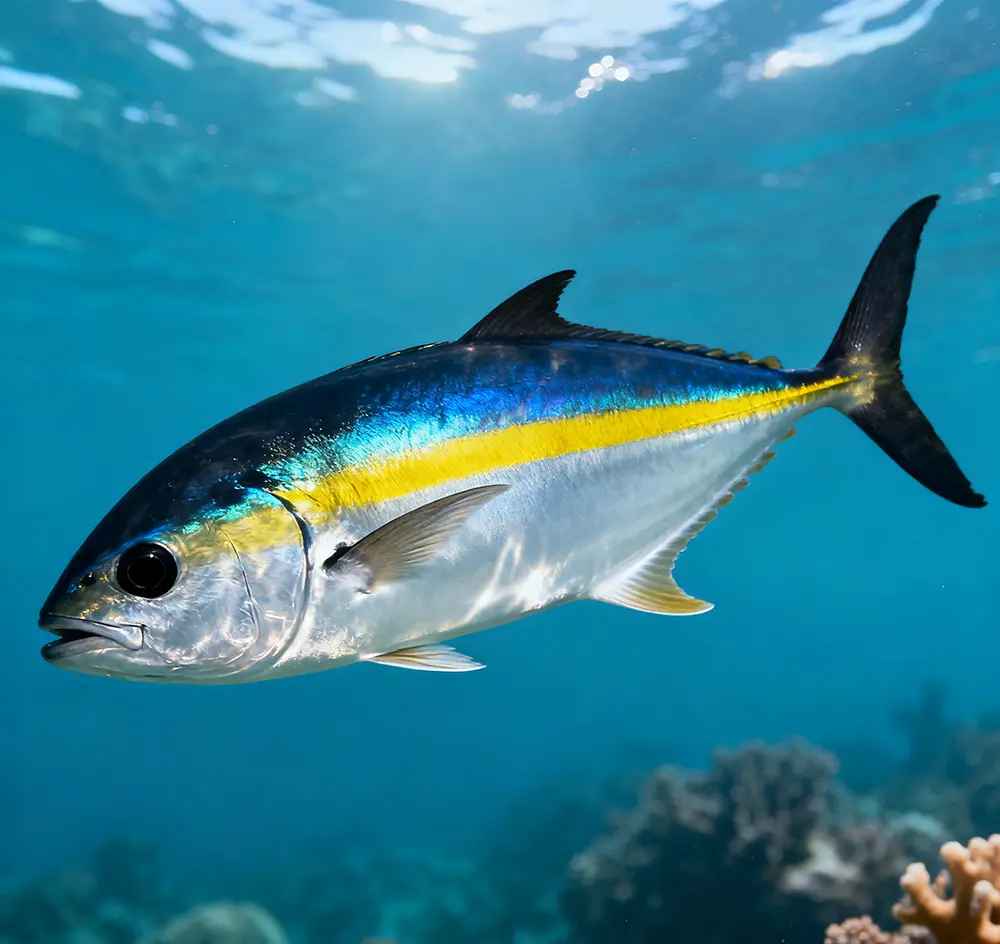
Its typical spindle-shaped body has a length-to-width ratio of 5.2:1. There are 7–10 keel-like protrusions on each side of the caudal peduncle; this structure reduces turbulent drag during high-speed swimming. The skin surface is covered by a 0.5 mm thick layer of fat containing anti-vortex phospholipid molecules, which can increase cruising speed by 15%.
The caudal fin is crescent-shaped, covering 28% of the total body surface area—far exceeding the average of 15% found in most fish. Its tendon system is highly specialized: the base of the caudal fin is connected by a strong tendon over 1 meter long, which attaches directly to the wedge-shaped bone at the end of the spine, enabling highly efficient transmission of kinetic energy.
The eyes and brain feature a counter-current heat exchange system (retia mirabilia): arterial blood absorbs heat through a venous network before entering the brain, maintaining a brain temperature consistently 10–15°C higher than the water temperature. This ability allows it to maintain neural activity in cold water at depths of 100 meters.
Red muscle fibers account for 35% of the total, with mitochondria densely distributed within muscle cells (at a density five times that of ordinary fish). Myoglobin concentration reaches 30 mg/g, giving the flesh its deep red color. Compared to bluefin tuna (*Thunnus thynnus*), it has higher thermal efficiency but slightly lower muscular explosiveness.
The second dorsal fin and anal fin are sickle-shaped, reaching up to 80% of the body height, and mature individuals exhibit a vivid yellow hue. This coloration stems from carotenoid-lipoprotein complexes in the dermis, with the intensity of the yellow color positively correlated with sexual maturity.
The lateral line system serves a dual function: the main lateral line detects low-frequency vibrations, while the head-branch lateral line can detect temperature changes as small as 0.01°C. The retina contains four types of cone cells; in addition to the visible spectrum, it can also detect polarized light, maintaining a visual range of 20 meters even at depths of 600 meters.
The Pacific population follows complex migratory routes: juveniles hatch near the equator and drift westward with the South Equatorial Current; one-year-old individuals join schools in Philippine waters; adults migrate northward along the Kuroshio Current to the eastern coast of Japan. Satellite tracking shows that the maximum daily travel distance can reach 230 kilometers.
Navigation relies on geomagnetic sensing: magnetite crystals (Fe₃O₄) within the skull are arranged in chains, capable of detecting magnetic field strength variations as low as 50 nT. Lunar cycles influence vertical migration: on full moon nights, they remain in waters shallower than 150 meters, while on new moon nights, they descend to depths of 400 meters.
Schools typically consist of 500–3,000 individuals, forming a “rotating ball formation” with a diameter of 100 meters when prey is detected. Outer members swim at speeds of 60 km/h to drive sardine schools, while central members surge in to feed. This coordination requires precise communication: instructions are transmitted via low-frequency sound waves (7–15 Hz) generated by muscle contractions.
When mixing with skipjack tuna (*Katsuwonus pelamis*), a hierarchical division of labor emerges: yellowfin tuna are responsible for encircling the prey in deep waters, while skipjack tuna intercept fleeing prey in the upper layers. Stomach contents analysis reveals that deep-sea lanternfish account for 45% of their diet, far higher than in other tuna species.
Spawning occurs year-round in equatorial waters, peaking during the first-quarter moon phase of the lunar cycle. Females employ a batch spawning strategy, releasing 2–3 million buoyant eggs (1.0 mm in diameter) per spawning event, with 6–8 spawning events throughout the breeding season.
The yolk is rich in DHA (22%), and larvae begin feeding on copepods just three days after hatching. Growth curves exhibit exponential characteristics: reaching 40 cm/4 kg at age 1 and exceeding 100 cm/50 kg at age 3. Maximum lifespan is approximately 8 years, though commercially caught individuals rarely exceed 5 years of age.
Fat content peaks at 18% in individuals caught during winter, with functional lipids accounting for a significant proportion: omega-3 PUFAs constitute 35% of total fatty acids (EPA 12%, DHA 23%), and squalene content reaches 120 mg/100 g (a potent antioxidant).
Heme iron content is as high as 4 mg/100 g, which is twice that of beef. Vitamin D₃ content is approximately 25 IU/g; a single serving of 200 g can meet an adult’s weekly requirement. Note: Larger individuals (>150 cm) may accumulate methylmercury; it is recommended that pregnant women consume no more than 150 g per week.
Japan’s “ultra-low-temperature flash freezing” requires cooling to -60°C within 60 minutes of catch, with ice crystal size controlled to within 20μm, preserving meat elasticity for up to 2 years. Traditional Hawaiian “Poke” raw dishes require 24-hour freezing at -35°C to eliminate parasites.
The Mediterranean canning process employs a stepwise heating method: after pre-cooking at 100°C in extra virgin olive oil, high-pressure sterilization at 121°C converts collagen into gelatin, creating a unique, smooth, and chewy texture. Compared to albacore tuna (*Thunnus alalunga*), its flesh is firmer but has a higher fat melting point.
Fish heads account for 15% of body weight; collagen peptides extracted via enzymatic hydrolysis have a molecular weight of 2,000 Da, with a yield of 18%. Hearts are used to produce coenzyme Q10 concentrates; the 98% pure product is valued at $10,000 per kilogram. Offcuts are processed into hydrolyzed proteins, which are added as attractants in aquaculture feed.
EU Regulations: Due to the accumulation of polychlorinated biphenyls (PCBs > 0.5 ppm), the liver is prohibited from being processed for human consumption. Products made from fish roe must be labeled with a histamine risk warning, and the salting concentration must not be less than 20%.
The Indian Ocean population faces the greatest threat from overfishing, with spawning stock biomass having declined to 35% of its historical peak. The western central Pacific population is relatively healthy, but juvenile recruitment has declined for five consecutive years. The Atlantic population is subject to strict quota systems, with a minimum catch size set at 70 cm (corresponding to two-year-olds).
The IUCN Red List lists the species as Near Threatened (NT), and the Western and Central Pacific Fisheries Commission (WCPFC) requires a 40% reduction in fishing mortality. Countries such as the Maldives have implemented closed seasons: the equatorial spawning grounds are closed annually from June to September.
Longline operations use magnetized hooks: a 600-gauss magnetic field repels 90% of sea turtles. Purse seine vessels are equipped with acoustic deterrent devices: emitting 2 kHz pulsed sound waves causes dolphin calves to flee the net entrance. Marine Stewardship Council (MSC) certification requires a seabird bycatch rate of less than 0.05 individuals per 1,000 hooks.
Breakthroughs in aquaculture trials: Kinki University in Japan has achieved full-cycle aquaculture, but the feed conversion ratio (FCR) reaches 15:1, and costs are three times those of wild capture. Genetic breeding focuses on reducing mercury accumulation capacity; a strain with high expression of the metallothionein MT2A has been identified.
North Atlantic stock: September–November (fat accumulation period; water temperature 18–20°C)
Equatorial Pacific stock: January–March (peak sexual maturity; influenced by lunar cycles)
South Indian Ocean stock: May–July (feeding and fattening period)
In the Japanese market, “Kan-maguro” specifically refers to fish caught in the northern waters during winter, when the subcutaneous fat layer reaches up to 3 cm in thickness and the marbling is distinct. Fish caught in summer have higher muscle water content and are more suitable for oil-packed canning.
Sashimi-grade standards:
- K-value (freshness indicator) < 10%
- pH 6.2–6.5
- Light transmittance of the eye’s vitreous body >85%
Frozen Product Identification:
- Vessel-frozen products exhibit tightly packed muscle fibers
- Land-frozen products commonly exhibit ice crystal cavities
- Thawing weight loss should be <5%
Temperature Tolerance: Yellowfin has an optimal temperature range of 18–31°C, while bluefin (*T. thynnus*) has a range of 10–24°C
Oxygen Utilization: Yellowfin has a gill surface area-to-body weight ratio 30% higher, resulting in greater tolerance to low-oxygen conditions
Reproductive Strategy: Bluefin carries only 500,000 eggs per spawning, but the eggs are large (1.8 mm) and have a high survival rate
Vertical Distribution:
- Yellowfin primarily inhabits depths of 0–250 m
- Bigeye (*T. obesus*) often dives to 500 m
Feeding Differences:
- Surface-dwelling fish account for 60% of Yellowfin stomach contents
- Deep-sea cephalopods account for up to 45% of the bigeye’s stomach contents
Mercury accumulation: Bigeye tuna of the same body length have 40% higher total mercury content
As a key species in the oceanic ecosystem, yellowfin tuna has evolved a sophisticated thermoregulatory system and highly efficient locomotive organs to support its transoceanic migration strategy.
Its streamlined body and crescent-shaped caudal fin enable high-speed cruising, while a counter-current heat exchange network ensures neural activity in cold-water zones. Its life history exhibits regular rhythms: equatorial spawning aligns with plankton peaks, and lunar phases guide vertical migration. Its nutritional value lies in the combination of omega-3 fatty acids and heme iron, but concerns regarding heavy metal risks in large individuals must be addressed.
Global stocks currently face overfishing pressure, with Indian Ocean populations having declined to critical levels, necessitating strict enforcement of quota systems and spawning ground protection. Compared to closely related species, it occupies a mid-to-upper water column niche, with a broader temperature tolerance range than bluefin tuna and shallower feeding depths than bigeye tuna. Consumers should choose MSC-certified products and avoid equatorial catches during peak spawning seasons; during processing, ultra-low-temperature freezing should be used to preserve flavor compounds. Future sustainable utilization depends on innovations in aquaculture technology and advances in bycatch control, particularly the widespread adoption of magnetized hooks and acoustic deterrent devices.
Exercise physiology data: Block et al. *Science* 293(5537): 1310-1314
Nutritional Composition: FAO/INFOODS Food Composition Database for Fish
Stock Assessment: ISSF Tuna Stock Status Update 2023
Mercury Risk Advisory: US FDA/EPA Fish Consumption Advice
Heat Exchange Mechanism: Brill & Bushnell, *Comparative Biochemistry and Physiology* 130(4): 461-471
Aquaculture Techniques: Annual Report of the Fisheries Research Institute, Kindai University (2022)
Bycatch Control: WCPFC Conservation and Management Measure 2022-01
Vision Research: Fritsches et al. *Current Biology* 15(1): 55-58
Red Cod| Rockfish | Rosefish: Biology and Sustainable Utilization of a Deep-Sea Delicacy
Home Back to ColumnRed Seabream | Gaji Fish | Copper Basin Fish | 真鲷: Physical Characteristics | Habits | Edible Value
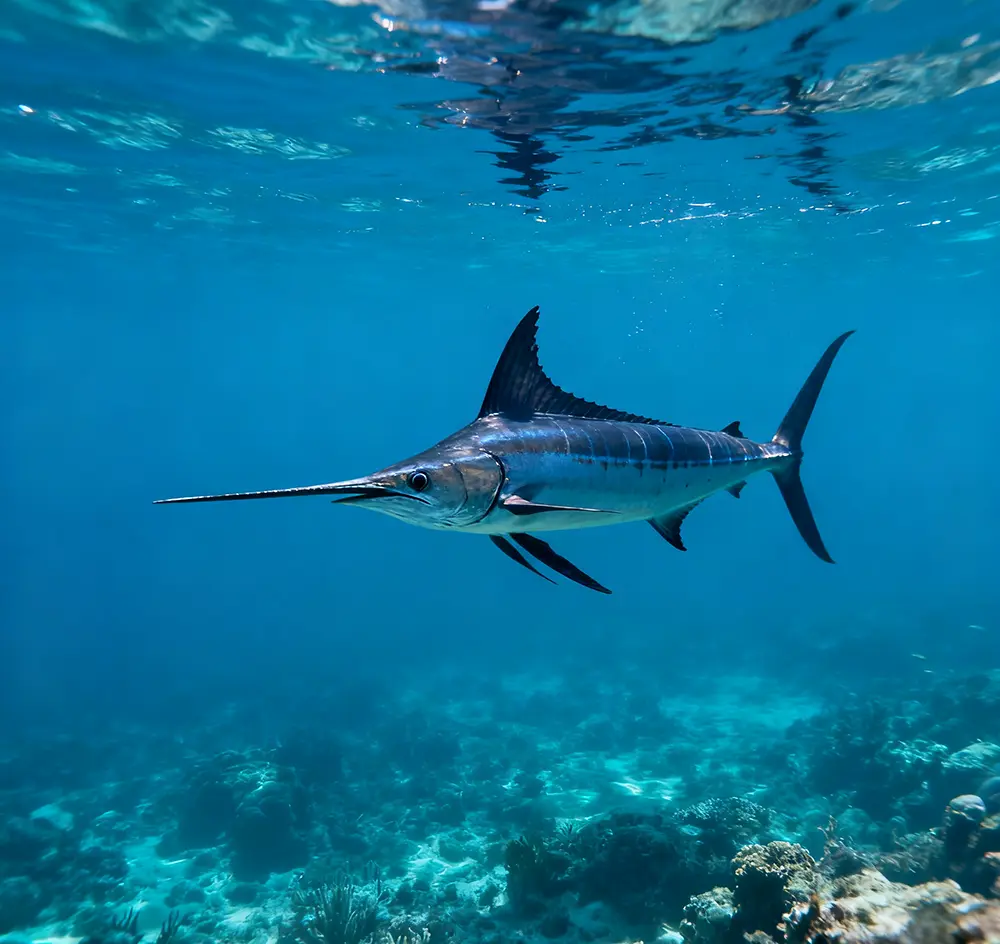 Swordfish: The Silver Blade of the Ocean
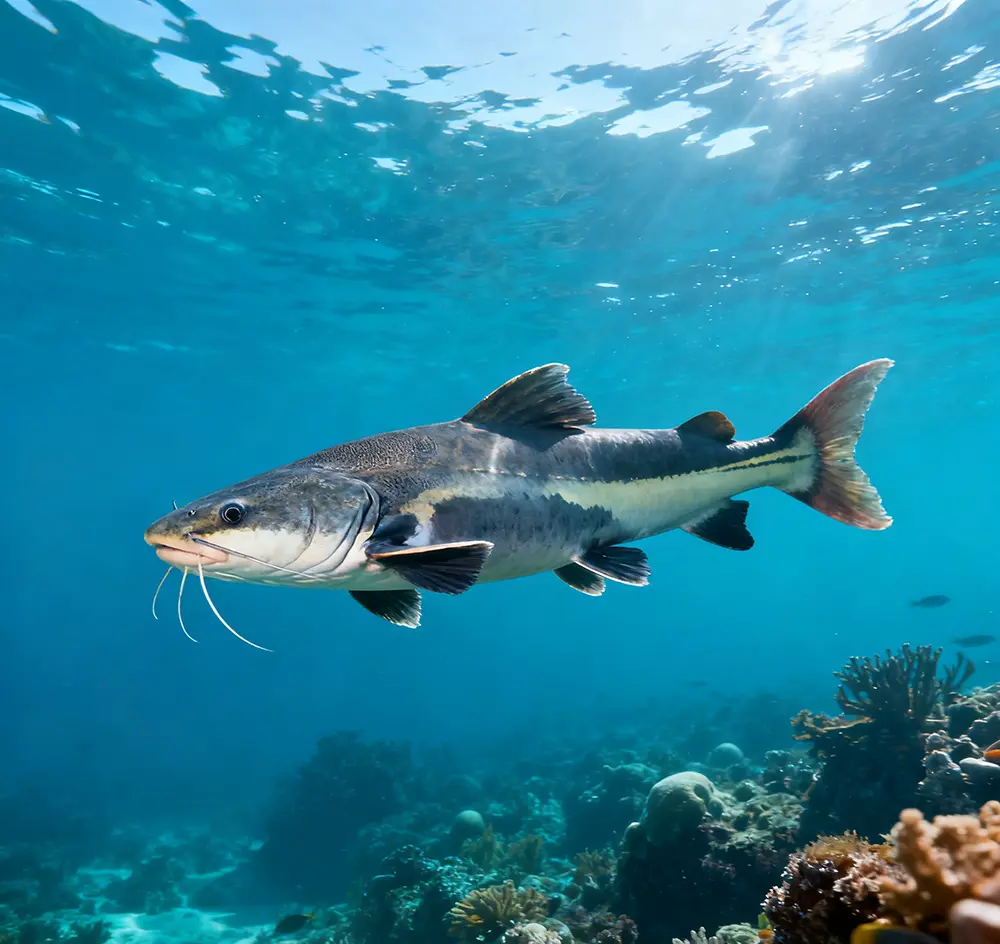 Hardhead Catfish Decoded: Morphology, Habits, Edible Value, Varieties, and Timing
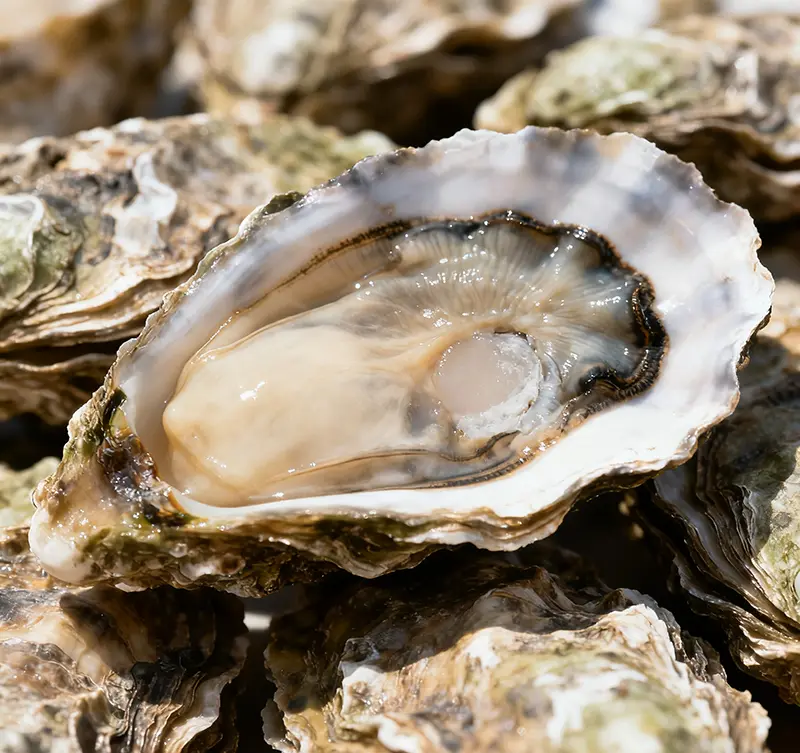 Oysters: Living Filters of the Ocean
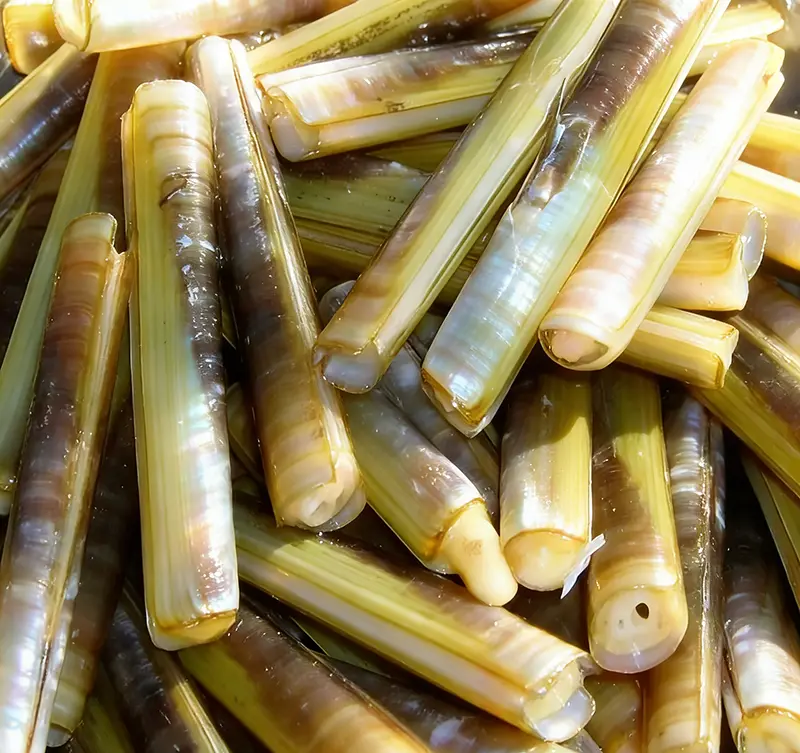 On the Bamboo Clam: Morphology, Burrowing Habits, Edible Value, Species Diversity, and Seasonal Occu
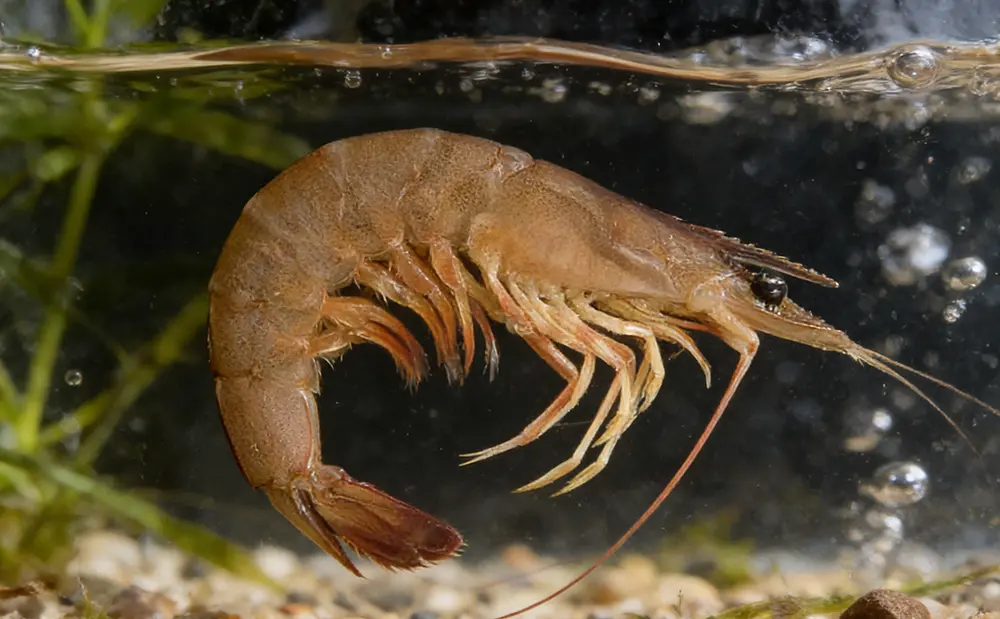 Comprehensive Study of the Giant Tiger Prawn (Penaeus monodon) in Indonesian Waters
Comprehensive Study of the Giant Tiger Prawn (Penaeus monodon) in Indonesian Waters
Oysters: Living Filters of the Ocean
Oysters: Living Filters of the Ocean
On the Bamboo Clam: Morphology, Burrowing Habits, Edible Value, Species Diversity, and Seasonal Occu
On the Bamboo Clam: Morphology, Burrowing Habits, Edible Value, Species Diversity, and Seasonal Occu
4Glass Catfish Unveiled: Morphological Traits, Daily Life, Ornamental Appeal, Strains, and Seasonal C
5Physical Characteristics of the Checkerboard Wrasse | Habits | Edible Value | Varieties | Seasonalit
6Bluefin Tuna: Biology and Fisheries Value of a Tropical Oceanic Wanderer
7Red Cod| Rockfish | Rosefish: Biology and Sustainable Utilization of a Deep-Sea Delicacy
8Moray eel | Eels—Muraenidae: The Secret Predators of the Abyss
9Greenland Shark: Physical Characteristics | Habits | Edible Value | Species Overview | Seasonality
10Hardhead Catfish Decoded: Morphology, Habits, Edible Value, Varieties, and Timing