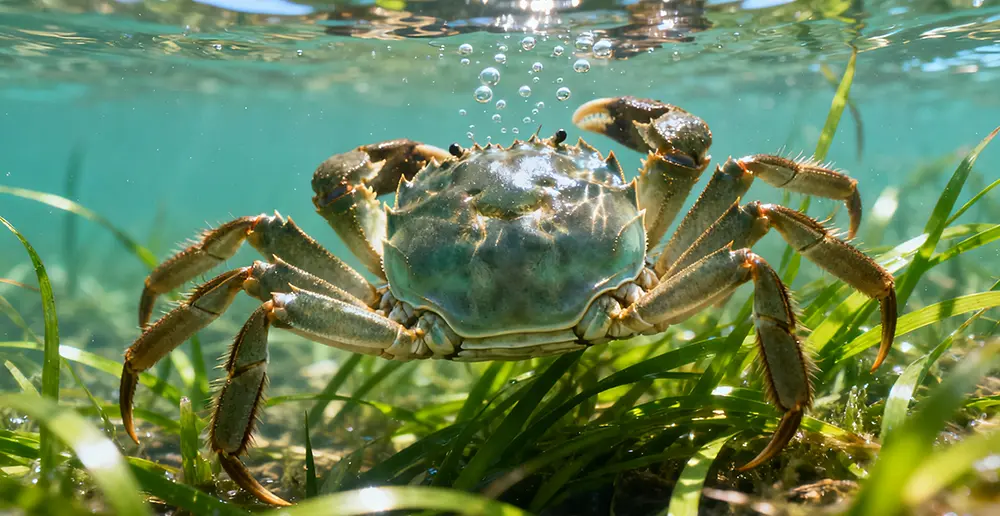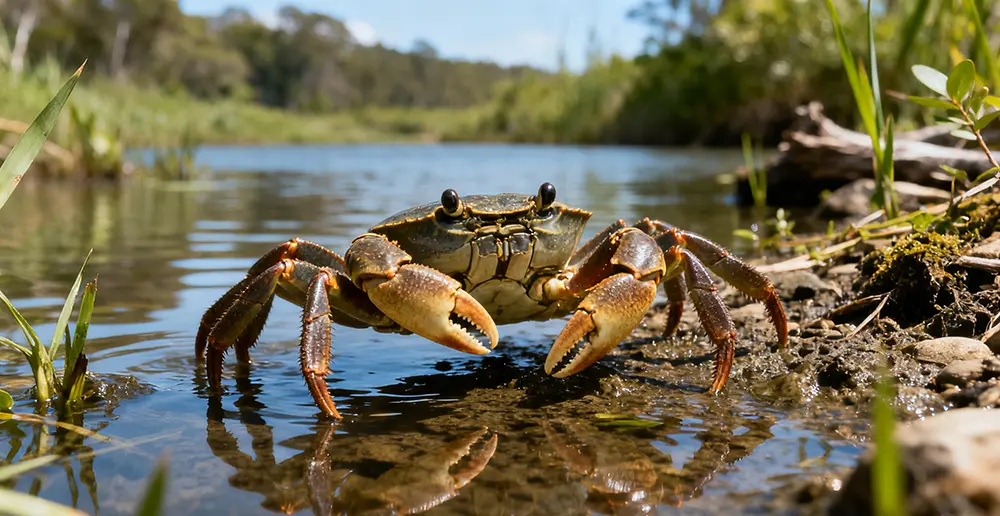
Rapana venosa (Chinese name: 红螺), also known as the veined rapa whelk(脉红螺) or Japanese bone conch(日本骨螺), is primarily found in shallow to deep waters along the coast of the northwestern Pacific Ocean. It is a large, carnivorous marine snail.
The shell of Rapana venosa is top-shaped with a thick, sturdy structure. The shell height of adult individuals typically ranges from 8 to 12 centimeters, with the largest recorded specimen reaching 18 centimeters. The shell consists of approximately 6 to 7 whorls, with a distinct suture and a bulging body whorl. The shell surface features well-developed spiral ribs and longitudinal ribs that intersect to form nodular protrusions. The shell aperture is oval, with a serrated outer lip and a smooth inner lip. The operculum is chitinous and brown, with the nucleus located at the anterior end. The shell color is usually yellowish-brown or grayish-red, featuring dark brown spots or flame-like patterns. Compared to Hemifusus tuba, the shell of Rapana venosa is thicker and heavier with more developed nodules; compared to naticid snails, the shell aperture of Rapana venosa is larger and the teeth on the outer lip are more pronounced.
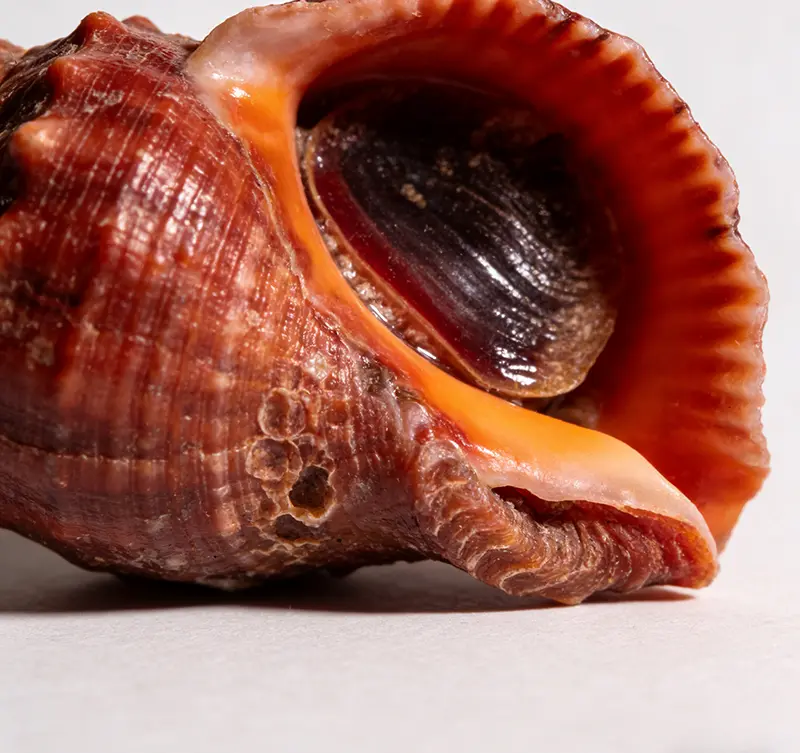
The soft parts of Rapana venosa primarily include a well-developed foot, head, visceral mass, and mantle. The foot is muscular, with a truncated anterior margin, used for crawling and attachment. The head bears a pair of tentacles, with eyes located on the outer side of the tentacle bases. The proboscis is retractable, and the mouth contains a radula; the radula formula is typically 2·1·1·1·2, adapted for preying on other mollusks. The digestive system includes the mouth, esophagus, stomach, intestine, and digestive glands; the salivary glands are well-developed and secrete digestive juices. Compared to abalone, Rapana venosa possesses greater mobility; compared to freshwater snails, Rapana venosa has more developed predatory organs, adapted to a carnivorous lifestyle.
Rapana venosa possesses several specialized structures adapted for predation: a well-developed proboscis capable of penetrating the shell gap of bivalves to inject paralyzing saliva; foot glands that secrete potent mucus to immobilize prey; and sensory papillae along the mantle margin that detect the location of prey. Compared to murex snails, Rapana venosa is a more efficient predator; compared to cone snails, Rapana venosa has weaker toxicity but a broader range of adaptability. Rapana venosa also possesses strong tolerance to pollution and can survive in eutrophic waters.
Rapana venosa is native to the coast of the northwestern Pacific and has now spread to the Black Sea, the Mediterranean, and the east coast of the Americas. It primarily inhabits rocky reefs and sandy-muddy substrates from the intertidal zone down to a depth of 50 meters. The optimal water temperature is 10–25°C, with a salinity requirement of 20–35‰. Juveniles are mostly found in shallow waters, while adults migrate to deeper waters. Unlike abalone, which prefer rocky reef environments, Rapana venosa is better adapted to a variety of substrate types; compared to Hemifusus tuba, Rapana venosa has a wider distribution range and stronger environmental adaptability.
Rapana venosa is a carnivorous species that primarily preys on bivalves (such as oysters and clams), though it also consumes other gastropods and animal carcasses. When hunting, it uses its foot to secure the prey, injects saliva through its proboscis to paralyze it, and then scrapes off the soft tissue. Its daily food intake can reach 5–10% of its body weight, effectively controlling prey populations. Compared to naticid snails, Rapana venosa has a broader feeding range; compared to murex snails, Rapana venosa is more efficient at hunting, posing a greater threat to shellfish aquaculture.
The meat of Rapana venosa is firm, with a protein content of approximately 15–18% and a fat content below 1.5%, making it a high-quality, high-protein, low-fat food source. It is rich in amino acids such as taurine (250–350 mg per 100 g) and glutamic acid, which help protect vision and boost immunity. In terms of minerals, zinc and selenium stand out: zinc content meets over 60% of the daily requirement, while selenium content reaches as high as 80% of the daily need. Compared to abalone, Rapana venosa has lower cholesterol levels; compared to other sea snails, Rapana venosa offers a more balanced profile of trace elements, particularly with higher iron content.
The meat of Rapana venosa is relatively tough and requires proper preparation to achieve the best texture. The most common methods involve long simmering or pressure cooking to tenderize the meat; it can also be sliced and stir-fried quickly. In Japanese cuisine, it is commonly used as an ingredient in miso soup, while in Korean cuisine, it is often used to make spicy stir-fried whelk. Compared to abalone, Rapana venosa has a firmer texture but slightly less umami; compared to Hemifusus tuba, Rapana venosa has more meat but requires a longer cooking time. The optimal cooking time is 25–35 minutes in a pressure cooker or 1.5–2 hours in a regular pot.
When consuming Rapana venosa, please note the following: First, it may carry parasites and pathogens, so it must be thoroughly cooked before eating; second, its salivary glands contain small amounts of toxins, which must be removed before cooking; third, it may accumulate heavy metals (such as cadmium and lead), so choose products from less polluted waters. In certain regions (such as parts of European waters), it is classified as an invasive species, and the transport of live specimens and their release into the wild are prohibited. It is recommended to soak them in clean water for at least 24 hours before consumption and to cook them thoroughly.
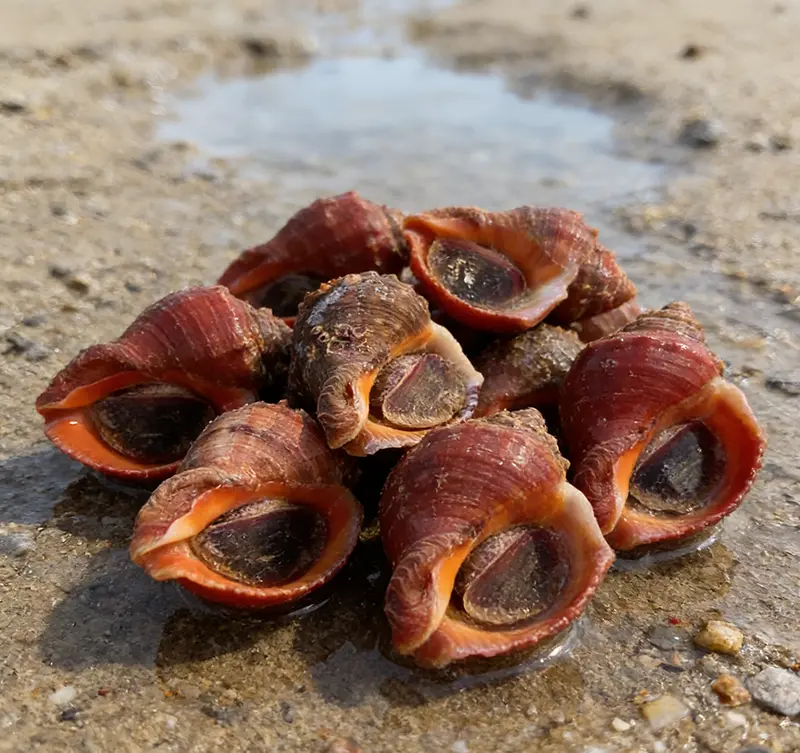
Common Rapana species in the Chinese market include: Rapana venosa (shell height 8–12 cm, distinct patterns), Rapana bezoar (shell surface with prominent wrinkles), and Rapana rapiformis (slender and elongated shell shape). Distinguishing by appearance: Rapana venosa has a reddish-brown shell with prominent nodules; Rapana bezoar has a shell surface covered in dense wrinkles; Rapana rapiformis has a slender, elongated shell with more pronounced spiral ribs. Classification by size: Small (6–8 cm), Medium (8–10 cm), and Large (over 10 cm).
Common species often confused in the market include: Hemifusus tuba, Thais clavigera, and certain murex snails. Key identification points: true Rapana venosa shells are top-shaped with well-developed nodules; Hemifusus tuba has a slimmer, more elongated shell with a longer siphonal canal; Thais clavigera is smaller with denser spiral ribs; and murex snails feature long spines. There is a significant price difference: high-quality Rapana venosa costs 50–70 yuan per kilogram, while Hemifusus tuba is typically more expensive. In processed products, the meat of genuine Rapana venosa has a reddish hue and a firm texture; counterfeit products often use other snail species as substitutes, and the difference in meat texture and flavor is noticeable after steaming or boiling.
The harvesting season for wild Rapana venosa varies by region: in the Yellow Sea and Bohai Sea areas, the main fishing seasons are in spring and autumn (April–June and September–November); in the East China Sea, it can be harvested year-round, but quality is best in winter; in the South China Sea, harvesting occurs primarily in winter. Farmed Rapana venosa is available year-round, but the optimal consumption period remains winter, when the meat is most succulent and glycogen accumulation is highest. Compared to seafood like abalone, which has distinct seasonal variations in fat content, the quality of Rapana venosa fluctuates less. However, Rapana venosa during the breeding season (summer) has a poorer flavor and softer texture.
Rapana venosa has a relatively long survival time out of water, so preservation requirements are relatively low: live snails should be transported at 5–10°C; shucked meat must be flash-frozen (-40°C). Traditional preservation methods include salting, drying, and pickling. Modern preservation techniques, such as vacuum packaging, can extend the shelf life of fresh products to 5–7 days. Consumers should note the following when purchasing: live Rapana venosa should have tightly closed opercula that snap shut when touched; fresh meat should be pale red and elastic; frozen products should be well-packaged with no excessive ice crystals. Recommended home storage: live specimens can be kept for 3–5 days in a humid environment at 5–10°C; frozen at –18°C, they can be stored for 6 months.
As an invasive species, Rapana venosa has a significant impact on local ecosystems: it preys heavily on bivalves, leading to a decline in certain native shellfish populations; it also competes with local carnivorous snails for food and space. However, due to its economic value, many regions have adopted controlled exploitation strategies. Management measures include: establishing harvest quotas, setting minimum harvest sizes (typically requiring a shell height of over 6 cm), and prohibiting the interregional transport of live specimens. In certain protected areas, Rapana venosa harvesting is strictly restricted.
Rapana venosa aquaculture primarily employs bottom seeding and cage culture methods. China is a major global producer of Rapana venosa, with an annual output of approximately 200,000 tons, primarily from coastal areas in Liaoning, Shandong, and Fujian. Technical challenges include: seedling propagation (low larval survival rates), feed supply (requiring sufficient bivalves), and disease control. In recent years, ecological aquaculture models have been developed, involving the mixed cultivation of Rapana venosa with oysters, clams, and other species to form an artificial food chain. Compared to abalone farming, Rapana venosa farming has lower costs; compared to scallop farming, Rapana venosa management is more complex.
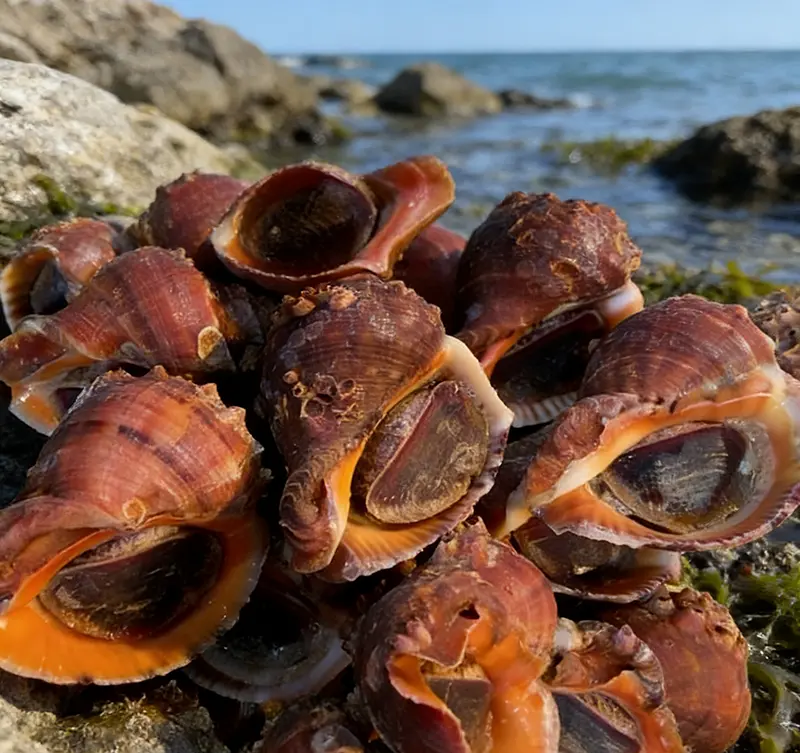
Rapana venosa holds a special place in East Asian culture: in China’s coastal regions, it is regarded as a symbol of good fortune, and its shells are often used as ornaments; in Japan, it is a food ingredient for traditional celebrations; in South Korea, it is used in medicinal cuisine. The global Rapana venosa industry has an annual output value exceeding $1 billion, with East Asia serving as the primary consumer market. Processed products include frozen meat, canned goods, dried products, and extracts. Compared to high-end seafood such as abalone and sea cucumber, Rapana venosa is more affordable and appeals to a broader consumer base.
As a significant large marine snail, the biological characteristics and economic value of Rapana venosa warrant attention.
From a morphological perspective, the thick, sturdy shell and well-developed feeding organs are distinctive features of Rapana venosa; ecologically, as an invasive species, it has a significant impact on local ecosystems; in terms of edible value, its high-protein, low-fat meat is rich in various nutrients, but food safety must be ensured. Species identification requires attention to shell shape and pattern characteristics to avoid confusion with similar snails. It exhibits distinct seasonality, with the best quality in winter. Resource management must balance the needs of ecological conservation and economic development. Rapana venosa holds a special place in East Asian culinary culture, and its economic value continues to grow.
In the future, a balance must be sought between population control, sustainable use, and improvements in aquaculture techniques to ensure the rational utilization of this whelk resource.
References:
Morphological data: Fauna of China—Mollusca, Gastropoda
Ecological Habits: Relevant studies in the *Journal of Molluscan Studies*
Nutritional Components: Standard Edition of the Chinese Food Composition Tables
Cultivation Techniques: Relevant studies in the *Journal of Fisheries Sciences of China* (2005–2022)
Resource Status: FAO Annual Fisheries Statistics
Economic Data: China Fisheries Statistical Yearbook
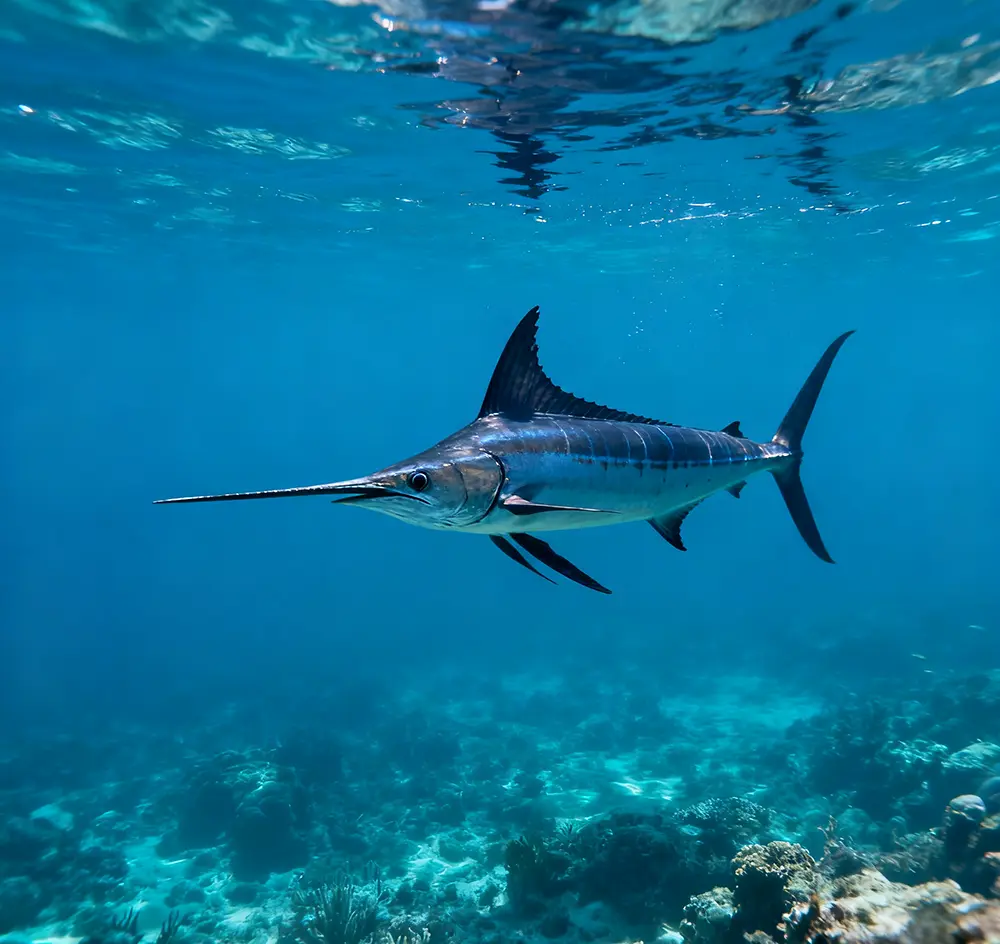 Swordfish: The Silver Blade of the Ocean
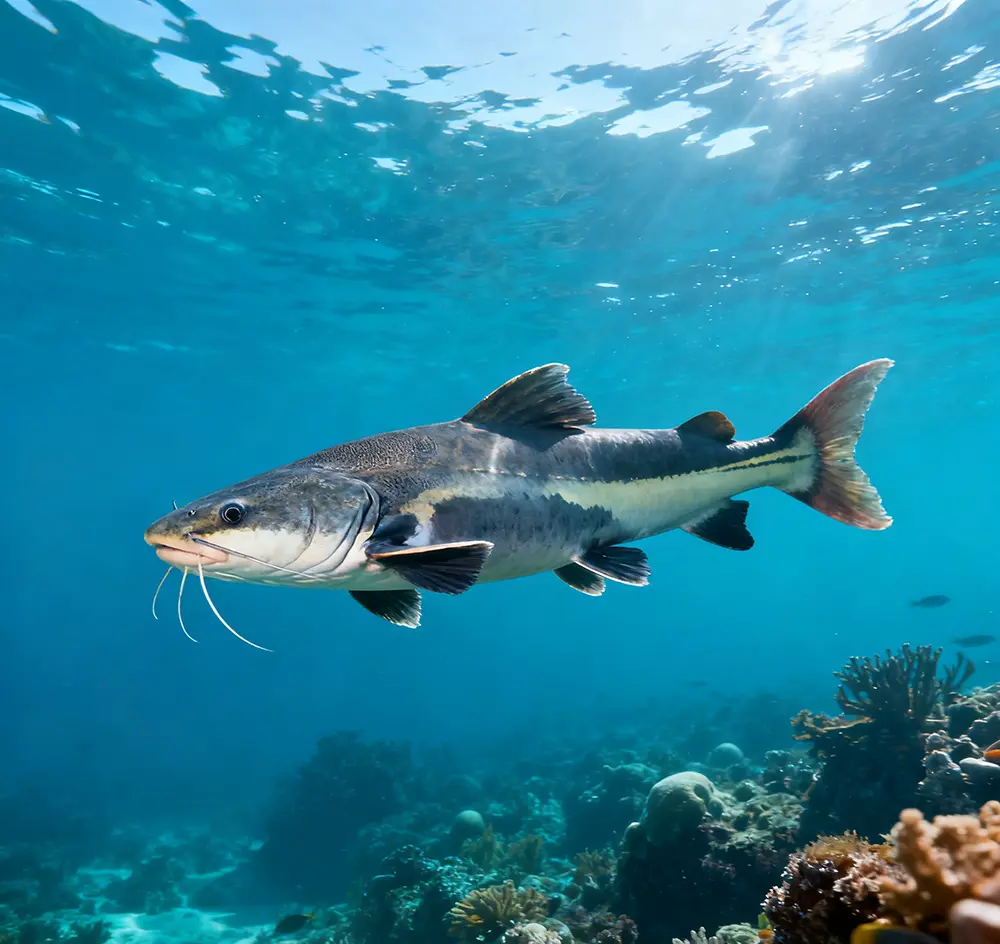 Hardhead Catfish Decoded: Morphology, Habits, Edible Value, Varieties, and Timing
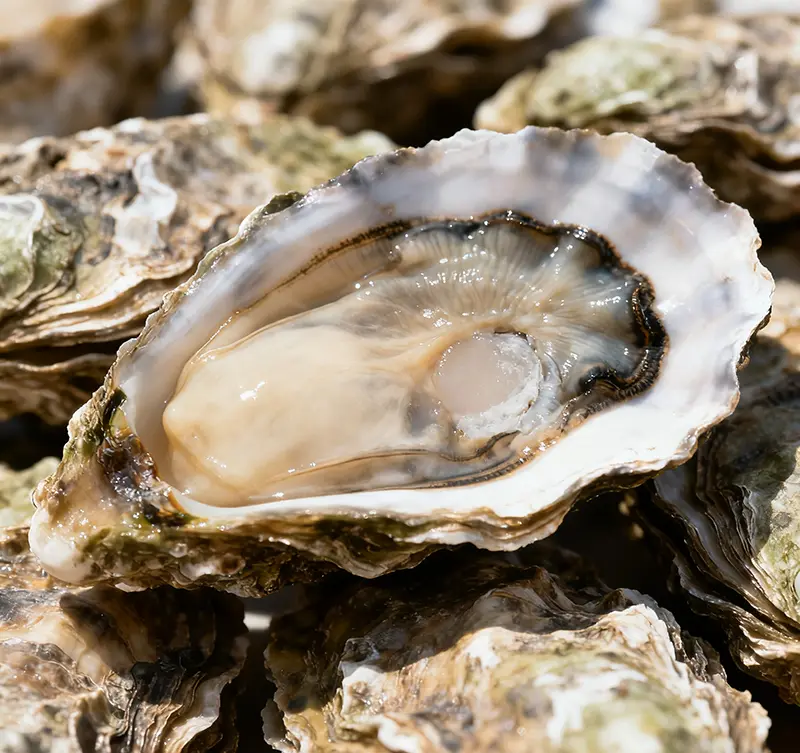 Oysters: Living Filters of the Ocean
 On the Bamboo Clam: Morphology, Burrowing Habits, Edible Value, Species Diversity, and Seasonal Occu
 Comprehensive Study of the Giant Tiger Prawn (Penaeus monodon) in Indonesian Waters
Comprehensive Study of the Giant Tiger Prawn (Penaeus monodon) in Indonesian Waters
Oysters: Living Filters of the Ocean
Oysters: Living Filters of the Ocean
 A Comprehensive Analysis of the Indonesian White Prawn (Penaeus merguiensis)
A Comprehensive Analysis of the Indonesian White Prawn (Penaeus merguiensis)
4The Black Clam: An Ecological Guardian of Freshwater Environments
5Rapana venosa in a Changing Marine Environment
6Turbo cornutus: A Multifaceted Investigation
7The White Clam Breakdown – Morphology → Habits → Edibility → Varieties → Season
8What’s Hard Clam? Shape, Flavor, Types, and the Right Time to Eat
9From Beach to Bowl: Understanding the Sand Clam
10On the Bamboo Clam: Morphology, Burrowing Habits, Edible Value, Species Diversity, and Seasonal Occu