Swordfish: The Silver Blade of the Ocean
The swordfish (scientific name: Xiphias gladius; also known as arrowfish, spearfish, blue marlin, or blue-spearfish) is a migratory fish belonging to the family Xiphiidae within the order Perciformes. It is a large pelagic species widely distributed in tropical, subtropical, and temperate waters worldwide. It is commonly found in open ocean areas at depths of 200–600 meters and occasionally enters coastal waters. In China, swordfish are found in the southern East China Sea, the South China Sea, and waters near Taiwan.
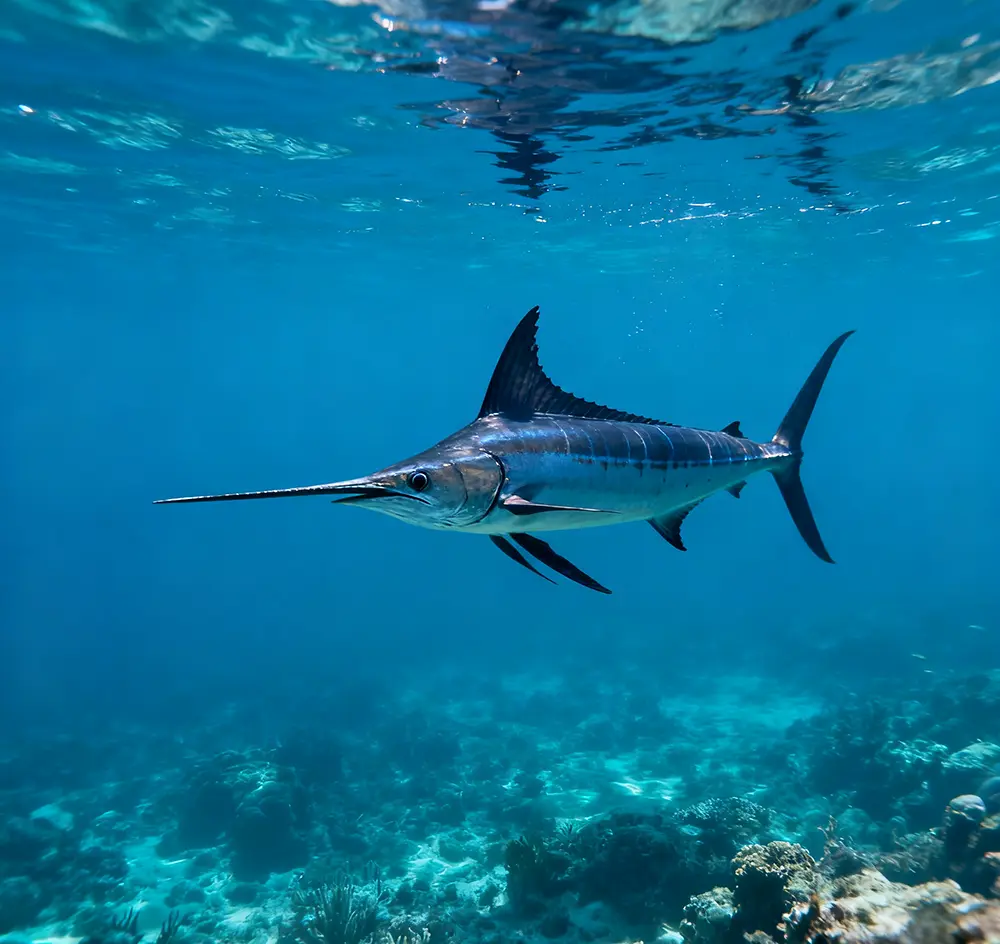
The most distinctive feature of the swordfish is its elongated upper jawbone, which forms a flat, sharp “sword” that can reach up to one-third of the body length. This structure, composed of dense bone tissue, has an elliptical cross-section with edges as sharp as a knife blade; its surface features fine grooves that enhance hydrodynamic performance. In juvenile individuals (body length < 1 meter), both the upper and lower jaws are elongated, but in adults, only the upper jaw continues to grow, ultimately forming an asymmetrical structure. The sword accounts for approximately 15% of total body weight; its internal honeycomb structure reduces weight without compromising strength. Compared to the similar sailfish (Istiophorus platypterus), the swordfish has a sturdier, flatter snout, whereas the sailfish’s snout is slender and cylindrical; compared to marlins (genus Makaira), the swordfish lacks the sail-like protrusion on the dorsal fin characteristic of marlins.
Swordfish possess a perfectly spindle-shaped body, reaching a maximum length of 4.5 meters and weighing over 650 kilograms. The body’s cross-section is nearly circular, and the skin surface is covered with tiny, rudimentary scales; while juvenile fish have coarse scales, these largely disappear in adults. Its skin is rich in collagen fibers, which reduce drag caused by turbulence. The most distinctive physiological feature is the eye muscle heating system—specialized muscle tissue generates heat, which is distributed through a network of blood vessels to raise the temperature of the eyes and brain by 10–15°C above the surrounding water temperature. Swordfish are currently the only known fish species with a biological heating system. This thermoregulatory mechanism allows swordfish to maintain visual acuity and neural response speed in cold, deep waters. The massive crescent-shaped caudal fin provides the primary propulsion. The back is deep cobalt blue, while the belly is silvery white, forming typical marine camouflage.
The swordfish’s dorsal fin is divided into two distinct sections: the anterior portion is a short, triangular spiny fin, and the posterior portion is a low, soft fin. This structure allows the fin to be folded to reduce swimming resistance. The pectoral fins are sickle-shaped and can be completely retracted into grooves when pressed against the body. The pelvic fins have degenerated into slender bony spines, visible only in juvenile fish. Unlike the constantly extended fins of tuna (genus Thunnus), swordfish fins possess a folding mechanism, enabling them to reach speeds of up to 97 kilometers per hour, making them one of the fastest fish in the ocean. The lateral ridges of the tail are well-developed, and a robust keel-like protrusion at the base of the tail provides an anchor point for the powerful muscles of the caudal fin.
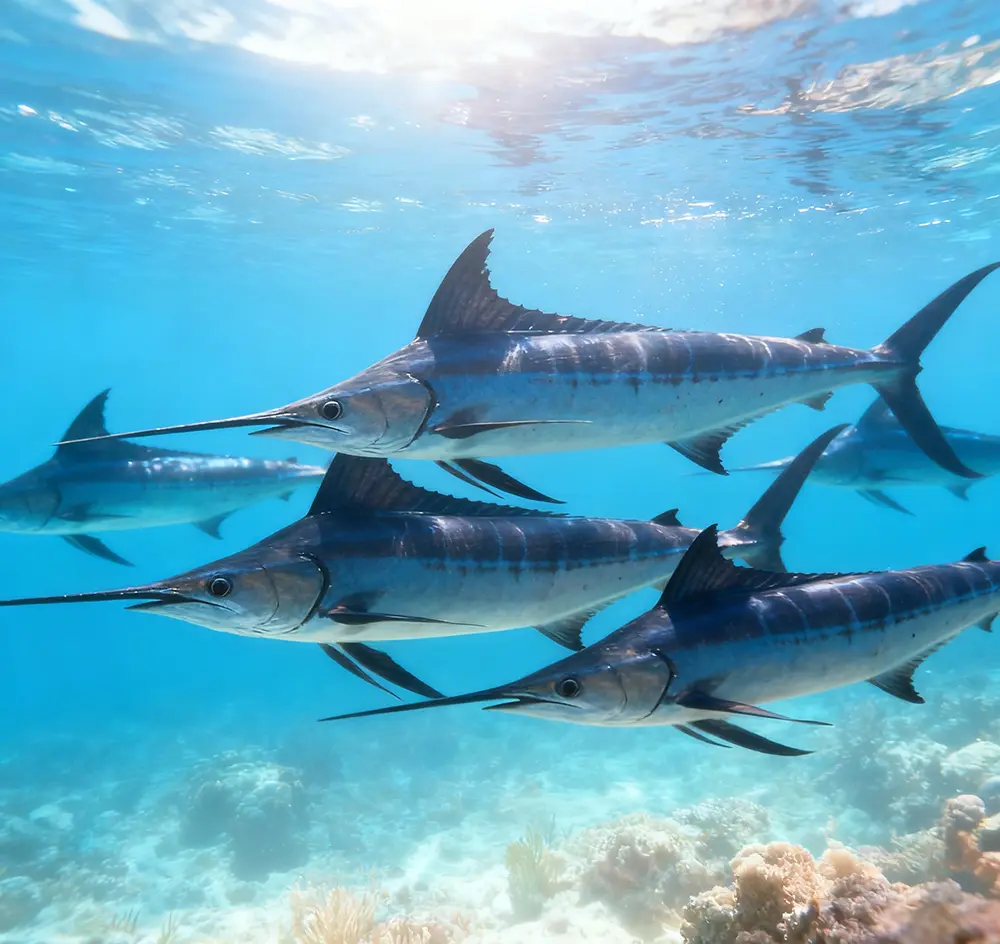
Swordfish are a typical migratory species, undertaking transoceanic migrations of thousands of kilometers each year. The North Atlantic population migrates northward from the Caribbean spawning grounds to the Newfoundland fishing grounds in the spring to feed, returning south in the fall; the Pacific population migrates northward along the California Current to the waters off Oregon. They use ocean current systems for navigation, primarily inhabiting depths of 200–600 meters during the day and rising to the surface (below 100 meters) at night to feed. Satellite tracking shows that individual fish can traverse the entire Atlantic, with the longest recorded migration distance reaching 9,000 kilometers. This migratory behavior is directly related to the distribution of food resources and sea temperature gradients; they cease their northward migration when surface water temperatures fall below 13°C.
As an apex predator, the swordfish employs a unique “sword-swinging” hunting technique: it charges at high speed into a school of fish and sweeps its sword horizontally, stunning or piercing its prey before returning to consume it. Stomach contents analysis reveals that its diet consists of squid (60%), mackerel, herring, lanternfish, and other pelagic species. Their hunting depth range is extremely broad, with feeding records spanning from the surface to depths of 800 meters. Swordfish eyes can reach 9 centimeters in diameter and feature a bifocal lens system, enabling them to observe distant targets while focusing on nearby prey. Unlike similarly high-speed tuna, swordfish rely more on ambush tactics than sustained pursuit; their metabolic system is adapted for explosive bursts of movement rather than prolonged cruising.
Swordfish reach sexual maturity at 3–5 years of age, with spawning grounds concentrated in tropical waters above 24°C. Swordfish are oviparous, spawning in vast areas north and south of the equator. Spawning occurs during the summer, fall, and winter seasons; Mediterranean populations spawn from June to August, while Caribbean populations can reproduce year-round. Female swordfish can produce up to 1.6 million eggs per spawning season; the eggs measure 1.6–1.8 mm in diameter and contain large oil droplets to ensure buoyancy. Juveniles grow rapidly, reaching 90 cm in just one year, but mortality is extremely high, with only 0.01% surviving to adulthood. During the juvenile stage (<30 cm), they often aggregate beneath seaweed rafts to form mixed schools. At this stage, the dorsal fin is tall and sail-like, gradually regressing as the fish grows. The maximum lifespan is estimated to be 9–15 years, and age can be determined by vertebral growth rings or cross-sections of the sword base.
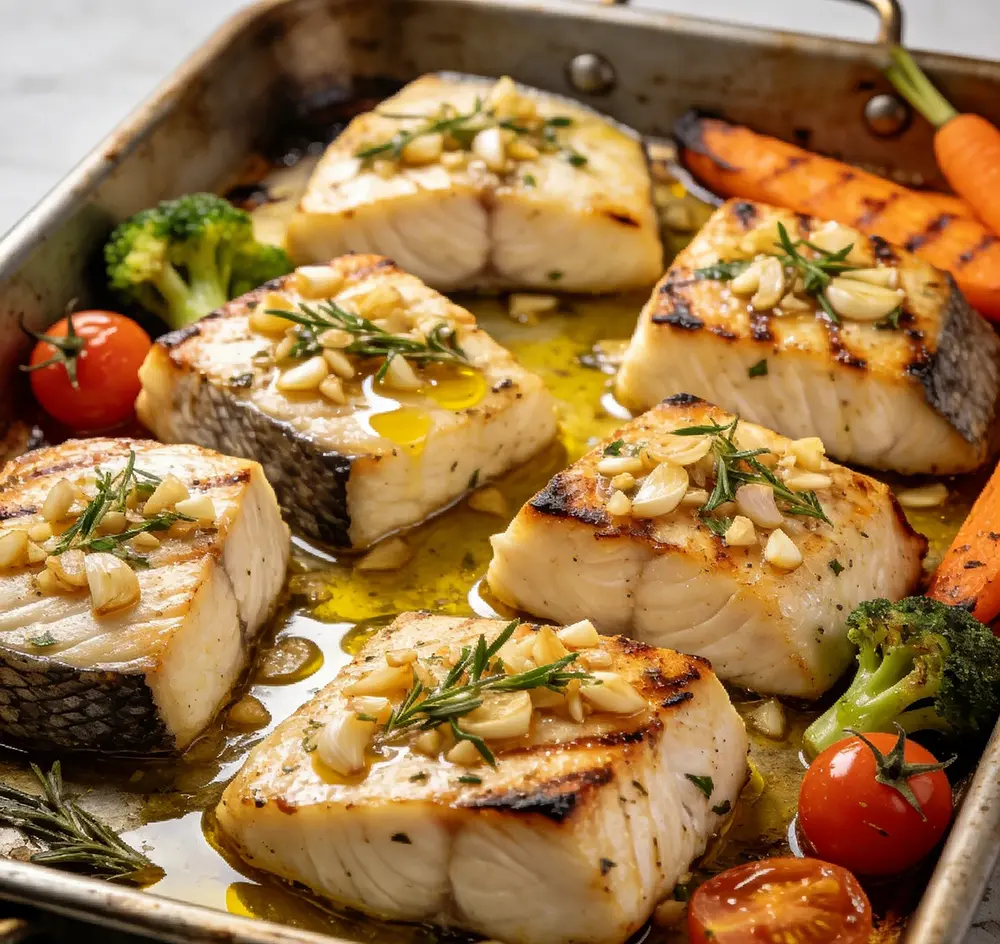
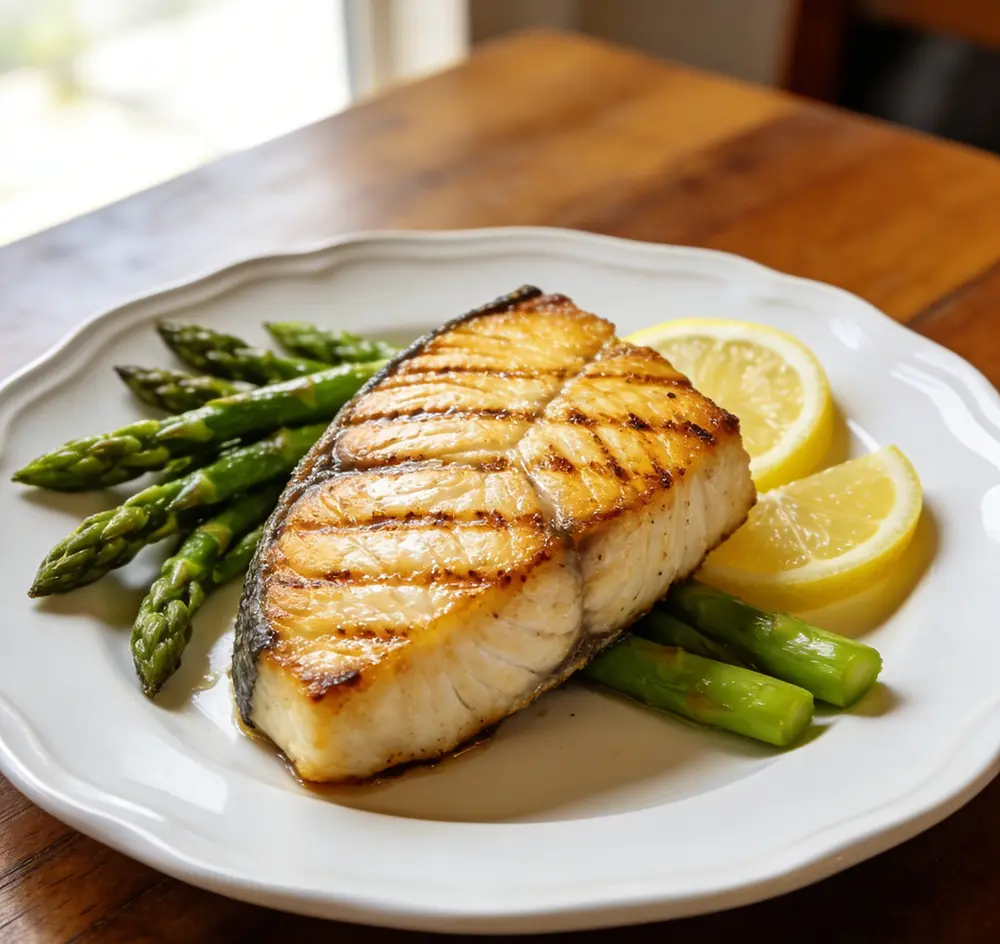
Swordfish meat is firm and pale pink in color, with intramuscular fat content of approximately 2–8%. It is rich in omega-3 fatty acids (1.2 g of EPA/DHA per 100 g). Because its myoglobin content is lower than that of tuna, it retains a white appearance even after aging. The primary edible cuts are the dorsal and ventral muscles, with a meat yield of about 65%, significantly higher than that of most commercially important fish species. Global annual catch remains between 100,000 and 120,000 metric tons, with primary consumer markets in Japan (sashimi), Mediterranean countries (grilled fillets), and the United States (fish fillets). “Swordfish steak” is a common dish in high-end restaurants; due to its texture resembling beef and lack of small bones, it is particularly suitable for pan-frying and grilling. Frozen products can be stored for 18 months at ultra-low temperatures of -60°C without compromising quality.
As a large predatory fish, swordfish exhibits significant mercury accumulation. The average concentration of methylmercury in its muscle is 1.0 ppm (parts per million), which is twice the EU safety standard (0.5 ppm). This heavy metal originates from industrial pollution and accumulates in the bodies of top predators through the food chain. The U.S. FDA explicitly advises pregnant women and children to avoid consumption, while healthy adults should limit monthly intake to no more than 150 grams. Pollution levels vary significantly across different regions: Mediterranean swordfish has higher mercury levels (average 1.5 ppm) than Atlantic populations (0.8 ppm), a difference linked to the enclosure of the sea and industrial emissions. In contrast, the smaller mackerel has a mercury content of only 0.05 ppm, making it a safer alternative.
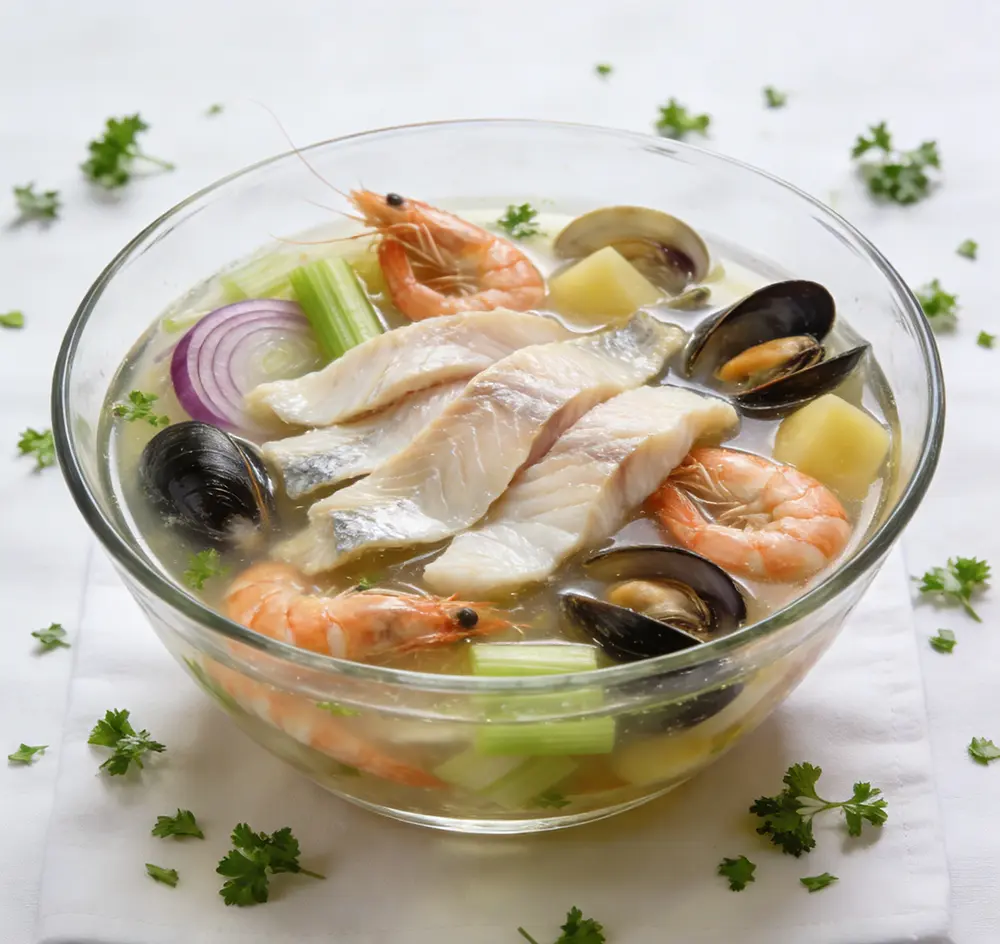
Swordfish products come in various forms: fresh fillets account for 70% of the high-end market, smoked products for 15%, and canned products for 10%. The traditional Mediterranean dish “Swordfish Rolls” (Involtini di Pesce Spada) involves rolling thin slices of fish, stuffing them with breadcrumbs and spices, and baking them; Kagoshima, Japan’s “swordfish hot pot” uses the fish bones to make the broth; the Sicilian classic “swordfish fillet with caper sauce” (Salmoriglio) highlights the natural flavor of the fish. Due to its coarse muscle fibers, it is not suitable for sashimi, but lightly searing the surface can enhance the flavor profile. Among by-products, the skin can be used for leather, and the liver is rich in vitamin D (200 IU per gram), though commercial development remains limited.
Swordfish is the only extant species in the family Xiphiidae, but populations in different regions exhibit significant differences:
North Atlantic population: Largest in size, with an average length of 2.8 meters; individuals from the waters off Newfoundland and Iceland are the most robust, and their dorsal coloration tends toward dark blue.
Mediterranean population: Reaches sexual maturity earliest (at 3 years of age); due to genetic isolation resulting from the enclosed waters, the sword-to-body length ratio is relatively short.
South Pacific population: Grows fastest; one-year-old fish can reach 1.2 meters in length, and their body color has a purplish sheen.
Indian Ocean population: Smallest in size, averaging 2.2 meters, but with the highest reproductive frequency (spawning twice a year)
Swordfish are often confused with fish from the family Istiophoridae. Key distinguishing features include:
Distinction from the blue marlin (Makaira nigricans): The marlin’s dorsal fin is tall and sail-like, its pelvic fins are well-developed and ribbon-shaped, and its body is distinctly laterally compressed
Distinction from the marlin (Istiophorus platypterus): The marlin’s dorsal fin, when extended, exceeds the body height, and its snout has a rounded cross-section
Distinction from the pipefish (Fistularia petimba): The pipefish has a slender, tube-like body, reaching a maximum length of only 1.5 meters, and is completely incapable of predation
Fossil relatives: The Miocene genus Xiphiorhynchus featured elongated upper and lower jaws, demonstrating that the sword-like structure evolved from a double-sword configuration
Swordfish fisheries exhibit strong seasonality:
Mediterranean fisheries: May–July is the peak fishing season, when schools gather in the Strait of Messina after spawning.
U.S. East Coast: From June to October, longline vessels operate along the edge of the Gulf Stream, with daily catches per vessel reaching up to 2 tons.
Offshore Japan: From September to November, the leading edge of the Kuroshio Current attracts northward-migrating schools, with set nets accounting for 80% of the annual catch.
Southern Hemisphere fisheries: Off the coast of Chile, the peak season is December–March, coinciding with the Peruvian Upwelling season
Major fishing methods include:
Longline fishing: The predominant method, but it suffers from severe bycatch issues, resulting in the deaths of 40,000 sea turtles and 100,000 seabirds annually
Spearfishing: A traditional Mediterranean technique; highly selective but inefficient, accounting for only 0.2% of global production
Encircling nets: Targeted at juvenile fish; banned by most countries
Resource Management: The International Commission for the Conservation of Atlantic Tunas (ICCAT) sets an annual quota of 78,000 metric tons and a minimum catch size of 119 cm (lower jaw fork length).
A total fishing ban is enforced in the Mediterranean from June to July to protect spawning populations. The South Pacific Fisheries Management Council requires 100% observer coverage to monitor bycatch.
The swordfish’s ocular heating system consists of three components:
1. Heat-generating zone: Specialized ocular muscle mitochondria, with a density five times that of ordinary muscle, generate heat via uncoupling proteins
2. Insulation layer: The eye socket is filled with fatty tissue to reduce heat loss
3. Counter-current heat exchange: An arterial network envelops the veins to form a “chilome,” recovering 80% of the lost heat. This adaptation allows swordfish to maintain an eye temperature of 26°C in 10°C cold water, increasing visual sensitivity by 10 times and extending the detection range for faintly glowing squid in the deep sea by 3 times.
Swordfish perform dozens of rapid dives (<800 meters) daily; their skeletal and soft tissues possess specialized pressure-resistant mechanisms:
Bones contain compressible air cavities to balance internal and external pressure
Muscle fibers contain high concentrations of trimethylamine oxide (TMAO), which counteracts the denaturing effects of high pressure on proteins
Red muscle contains myoglobin at a concentration of 85 g/kg, providing three times the oxygen-carrying capacity of shallow-water fish
Swordfish have been part of human culture since the Bronze Age: the Minoan civilization of the Mediterranean depicted them on gold coins; Sicilian pottery portrays scenes of heroes battling swordfish; and Japan’s *Kojiki* records swordfish as messengers of the sea god. Today, they remain an element of Malta’s coat of arms and a motif on Panamanian banknotes. This cultural significance fosters conservation awareness; for instance, Italy has listed traditional harpoon fishing as an intangible cultural heritage.
Listed as “Near Threatened” (NT) on the IUCN Red List, the main threats include: * A 50% decline in the Mediterranean population over 30 years * Juvenile bycatch accounting for 40% of the total catch * The Northwest Pacific population nearing collapse due to overfishing by Japanese fixed nets Conservation measures include: the implementation of electronic monitoring systems in the Atlantic; a ban on drift nets in the Pacific; and the establishment of juvenile protection zones in the Mediterranean. Consumers can support sustainable fisheries by purchasing MSC-certified products (currently accounting for only 15% of production).
As an apex predator in marine ecosystems, swordfish has evolved unique biological characteristics: its iconic sword-shaped upper jaw serves both as a weapon and for aerodynamic efficiency; its eye-brain heating system overcomes the physiological limitations of cold-blooded animals; and its streamlined body enables astonishing swimming speeds.
Different populations across the globe exhibit rich behavioral variations, ranging from the early-maturing strategy in the Mediterranean to the rapid growth pattern in the Pacific. While its meat is a high-quality protein source, mercury accumulation issues necessitate cautious consumption, particularly for pregnant women, who must strictly limit their intake. Fisheries management faces severe challenges: bycatch from longline fishing has threatened endangered species such as sea turtles, and the Mediterranean spawning stock continues to decline. The cultural symbolism of the swordfish stands in stark contrast to its ecological value—it is both a heroic totem on Sicilian pottery and a Near Threatened species on the IUCN Red List. Modern conservation measures are shifting from single-quota management toward ecosystem-based approaches: electronic monitoring in the Atlantic, driftnet bans in the Pacific, and the establishment of juvenile protection zones, combined with sustainable seafood certification, aim to balance exploitation and conservation. Compared to other large pelagic fish, the swordfish’s physiological uniqueness—such as its biological heater—provides a valuable model for bionics, while its transoceanic migration patterns remain a key topic in marine biogeography. Future conservation efforts must strengthen international cooperation, with a particular focus on spawning ground protection and innovations in fishing technology, to ensure the survival of this legendary marine species.
Morphological data referenced from the FAO Species Catalogue and Monographs on Fish Anatomy (Springer)
Migration data sourced from the ICCAT Satellite Tagging Database (2015–2022)
Mercury content analysis is based on FDA seafood monitoring reports and the EU EFSA assessment
Population status assessments integrate the IUCN Red List and reports from regional fisheries organizations
Descriptions of physiological mechanisms are based on a special study in the *Journal of Experimental Biology*
Fisheries management measures are cited from official ICCAT/CCSBT documents
Historical catch data are sourced from the FAO Yearbook of Fisheries Statistics
Translated with DeepL.com (free version)
Swordfish: The Silver Blade of the Ocean
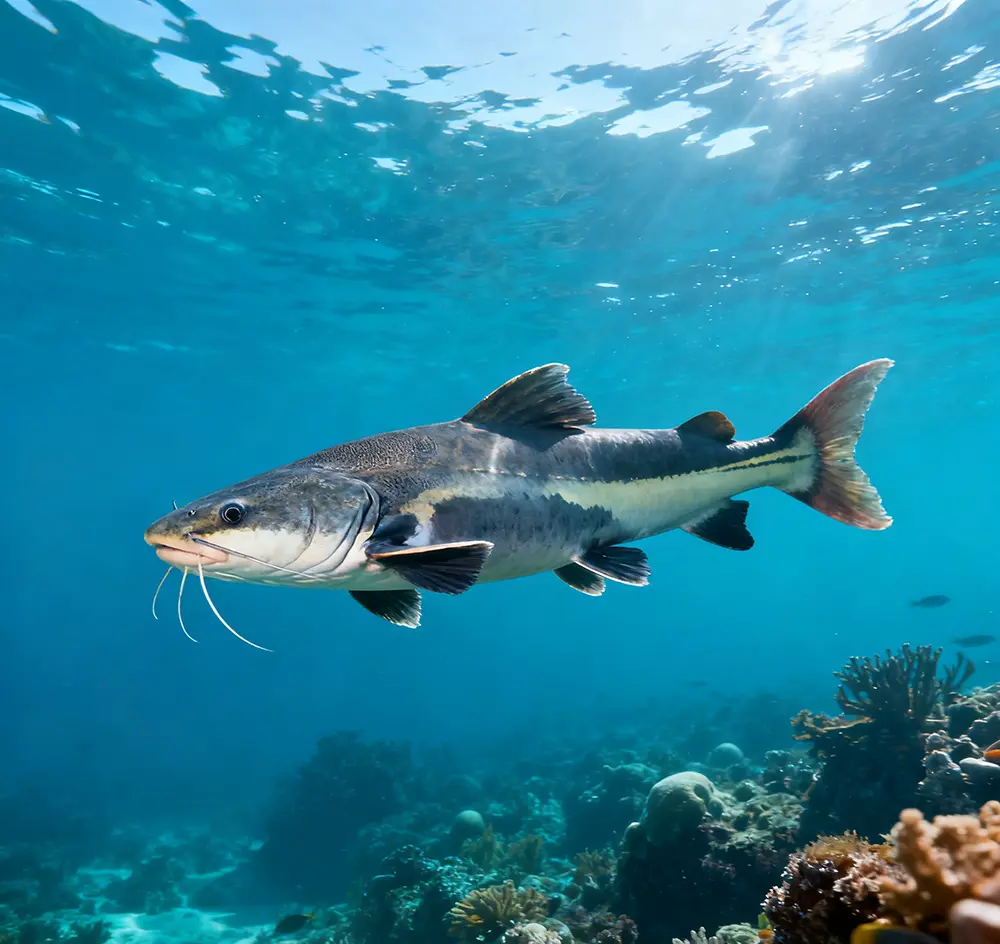 Hardhead Catfish Decoded: Morphology, Habits, Edible Value, Varieties, and Timing
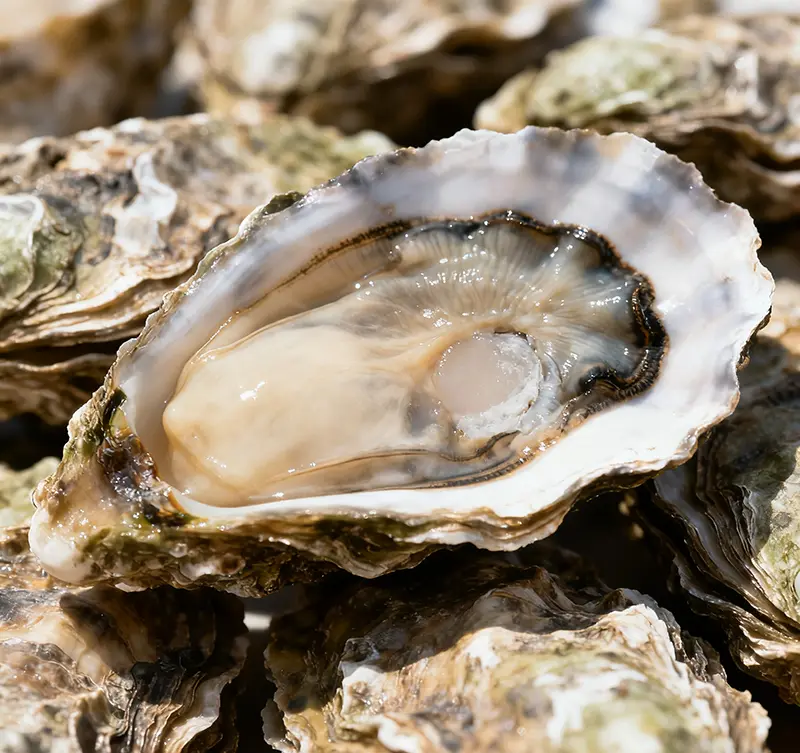 Oysters: Living Filters of the Ocean
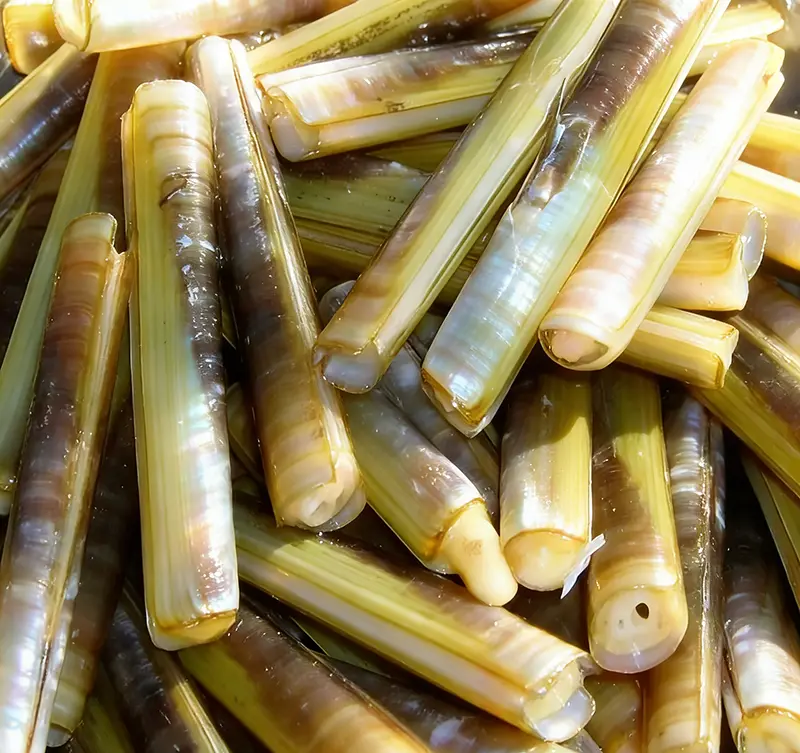 On the Bamboo Clam: Morphology, Burrowing Habits, Edible Value, Species Diversity, and Seasonal Occu
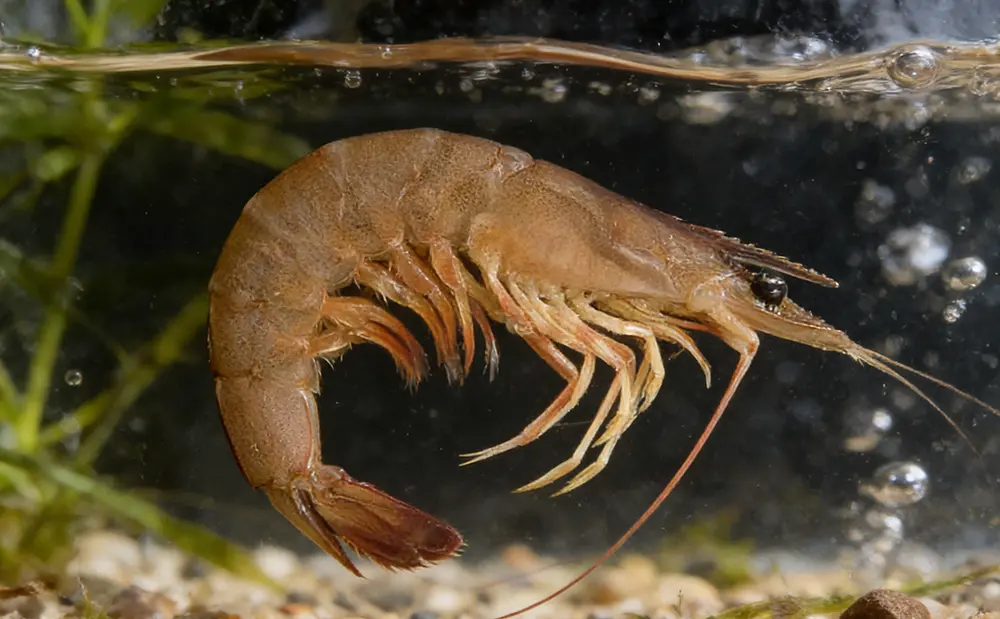 Comprehensive Study of the Giant Tiger Prawn (Penaeus monodon) in Indonesian Waters
Comprehensive Study of the Giant Tiger Prawn (Penaeus monodon) in Indonesian Waters
Oysters: Living Filters of the Ocean
Oysters: Living Filters of the Ocean
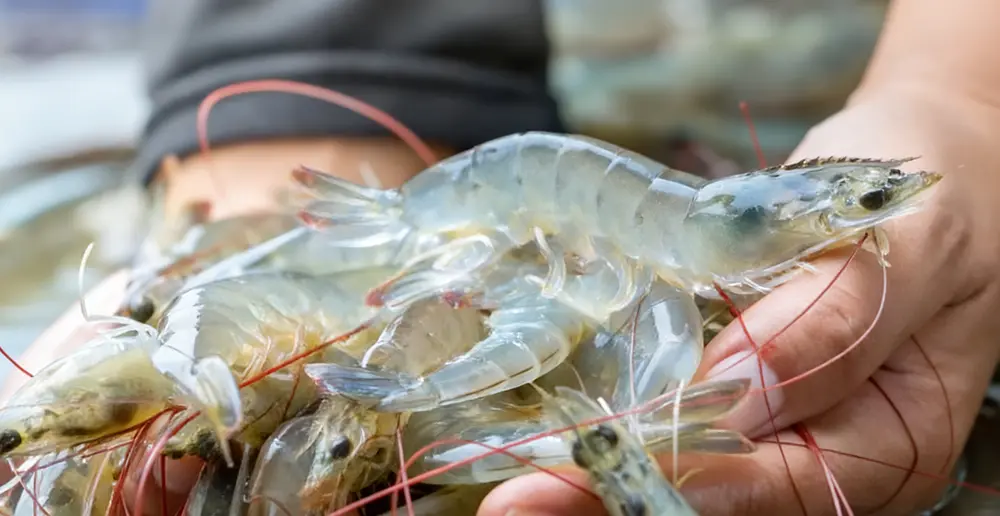 A Comprehensive Analysis of the Indonesian White Prawn (Penaeus merguiensis)
A Comprehensive Analysis of the Indonesian White Prawn (Penaeus merguiensis)
4Glass Catfish Unveiled: Morphological Traits, Daily Life, Ornamental Appeal, Strains, and Seasonal C
5Physical Characteristics of the Checkerboard Wrasse | Habits | Edible Value | Varieties | Seasonalit
6Bluefin Tuna: Biology and Fisheries Value of a Tropical Oceanic Wanderer
7Red Cod| Rockfish | Rosefish: Biology and Sustainable Utilization of a Deep-Sea Delicacy
8Moray eel | Eels—Muraenidae: The Secret Predators of the Abyss
9Greenland Shark: Physical Characteristics | Habits | Edible Value | Species Overview | Seasonality
10Hardhead Catfish Decoded: Morphology, Habits, Edible Value, Varieties, and Timing