Atlantic Mackerel: A Comprehensive Analysis of Its Biological Characteristics, Ecological Role, and Human Utilization
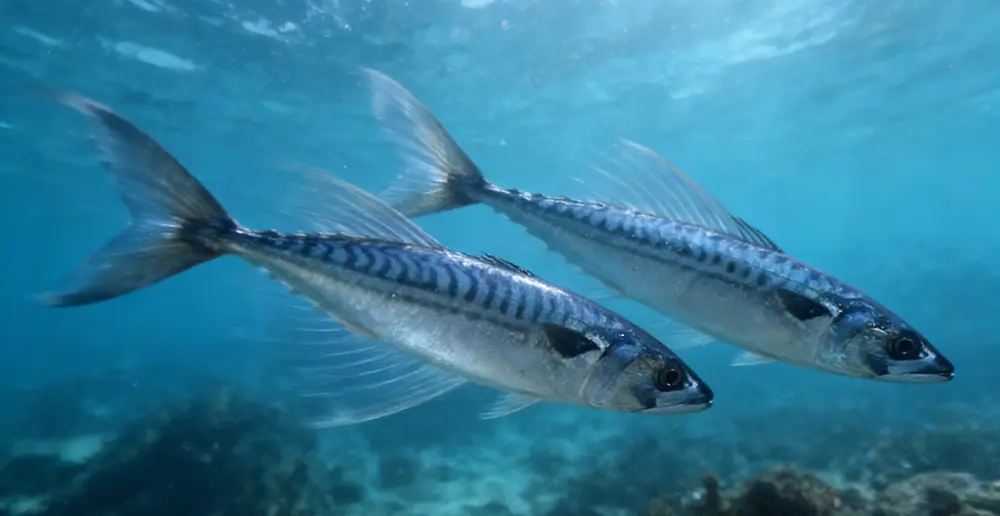
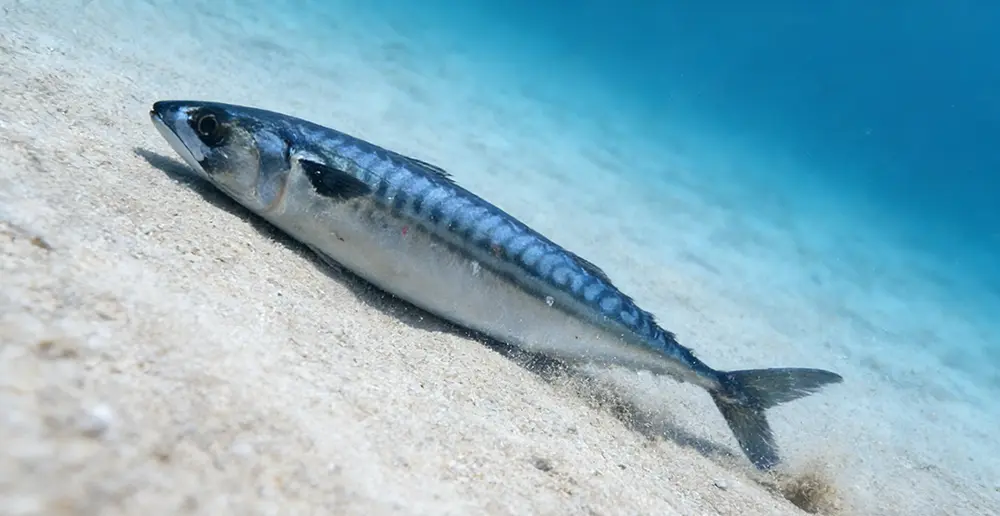
The Atlantic mackerel (大西洋鲭鱼 *Scomber scombrus*), commonly known as the Boston mackerel in North America and the Norwegian mackerel in Northern Europe, possesses a biological structure that serves as a model for high-speed oceanic swimmers. Its spindle-shaped body has a cross-section that forms a perfect hydrodynamic ellipse, minimizing water turbulence to the greatest extent. This body shape is not a static feature—when schools of fish make high-speed dashes (reaching speeds of up to 24 km/h), muscle contractions cause the body to tense further, while keel-like protrusions at the base of the tail enhance propulsion stability. The body’s coloration exhibits a complex counter-camouflage strategy: viewed from above, the deep blue-green back blends into the dark seawater background; viewed from below, the silvery-white belly blends seamlessly with the transmitted sunlight; while the 25–35 irregular black wavy stripes on the sides disrupt the silhouette, interfering with a predator’s visual lock-on. Even more ingenious is that these stripes are not merely pigment deposits but are composed of iridophores, which reflect blue-green light waves when swimming in shallow water and absorb red light in deep water, achieving dynamic optical camouflage.
The Atlantic mackerel’s scales are typical ctenoid scales, but they are extremely small (approximately 0.3 mm in diameter). The posterior edge of each scale is densely covered with 15–20 comb-like projections. This structure allows tens of thousands of scales to form a continuous, flexible armor during swimming. When water flows over the body surface, micro-vortices form in the gaps between the scales, effectively reducing frictional drag by up to 18%. The caudal fin is crescent-shaped, with its surface area accounting for as much as 32% of the total body surface area—far higher than in most fish (average approximately 20%). This high aspect ratio design resembles an aircraft wing, propelling the fish forward by 2.5 body lengths with each fin stroke. The dorsal fin system employs a unique dual-mode control mechanism: the 11–13 rigid spines at the front can instantly erect to act as a braking mechanism, while the 12–14 flexible rays at the rear undulate in sync with the anal fin to provide auxiliary propulsion. Anatomical studies reveal that red muscle fibers account for 35% of its muscle mass. Lipid droplets (0.5–2 micrometers in diameter) embedded within the muscle directly supply energy to the mitochondria, enabling the fish to swim continuously for 400 kilometers without feeding.
To adapt to high-speed group movement, the Atlantic mackerel’s sensory system is highly specialized. The lateral line organ has a nerve cell density of 12 per millimeter, capable of detecting low-frequency vibrations as low as 0.01 Hz, allowing it to detect the movements of predators or prey groups 300 meters in advance. The visual system offers dual advantages: the cornea has a curvature of up to 1.8 diopters, providing clear underwater vision up to 30 meters; simultaneously, the retina contains four types of cone cells that, in addition to detecting the blue-green spectrum, can also distinguish ultraviolet light (peaking at 380 nanometers) and polarized light. This capability allows the fish to precisely locate plankton swarms even in murky waters or at dawn. Compared to bonito, its olfactory bulb is larger (accounting for 15% of brain volume), with a sensitivity to trimethylamine oxide (TMAO) as low as 0.1 ppm, enabling it to track the biochemical signals of prey from 5 kilometers away.
The North Atlantic population exhibits three distinct migratory systems: the North American stock migrates northward from Cape Hatteras to Newfoundland in the spring and returns in the fall; the Western European stock departs from the Bay of Biscay in March and arrives in the Norwegian Sea in June; the Mediterranean stock exhibits vertical migration characteristics. Satellite tagging reveals that adult fish can travel up to 80 kilometers daily, with migration routes strictly following isotherms, maintaining a core temperature range of 9–12°C. This thermoregulatory behavior stems from the allosteric effect of hemoglobin—when water temperatures drop below 8°C, oxygen affinity decreases by 40%, forcing the fish to migrate southward. Juveniles, however, exhibit remarkable cold tolerance; one-year-old individuals can survive in cold pools at 4°C. This is attributed to antifreeze glycoproteins (molecular weight 17 kDa) in liver triglycerides, which inhibit ice crystal growth.
Atlantic mackerel typically form schools of 500–2,000 individuals and exhibit complex social behavior during feeding. Upon encountering a sardine school, the mackerel school spontaneously divides into three groups: the “chasing group” (60%) circles the perimeter at high speed to compress the space; the “blocking group” (30%) seals off escape routes vertically; and the “striking group” (10%), composed of the strongest individuals, penetrates the core area to feed on the prey. Acoustic recordings indicate that this coordination requires precise communication. The school transmits information through two methods: first, low-frequency sound waves (7–12 Hz) generated by muscle contractions, with an effective range of approximately 50 meters; second, eddy current signals detected by the lateral line, which can execute group turning commands within 10 milliseconds. Compared to the loose structure of Peruvian anchovy schools, the spatial arrangement of Atlantic mackerel schools exhibits a crystal lattice pattern, with inter-individual spacing maintained at 0.8–1.2 times body length—a distance that minimizes hydrodynamic disturbance.
The process of sexual maturation is regulated by both photoperiod and temperature. When daylight hours extend to 14 hours and water temperature stabilizes above 10°C, the hypothalamus releases GnRH to trigger gamete development. Female mackerel employ a batch spawning pattern, releasing 150,000–250,000 eggs per spawning event, with the entire spawning season spanning 3–4 spawning events. The ingenuity of this strategy lies in energy allocation: the proportion of liver fat relative to body weight decreases from 25% during overwintering to 8% after spawning, with 60% of this energy directed toward yolk synthesis (primarily composed of the lipoprotein Vtg). Although the fertilized eggs measure only 1.2 mm in diameter, the yolk sac is rich in docosahexaenoic acid (DHA, accounting for 18%), enabling newly hatched larvae (3.5 mm in length) to survive without feeding for 7 days. Compared to Pacific mackerel, its juvenile growth curve is steeper—with a feed conversion ratio of 1:1.2—reaching 8 cm by 60 days of age, an adaptation to the brief peak of prey availability in the North Atlantic.
Individuals caught in the fall can reach peak fat content of up to 28%, with a notable proportion of functional lipids: omega-3 PUFAs (polyunsaturated fatty acids) account for 30% of total fatty acids, and the ratio of EPA (eicosapentaenoic acid) to DHA (docosahexaenoic acid) is 1:1.5. This combination provides three times the cardiovascular and cerebrovascular protection compared to terrestrial fats. In terms of protein composition, myosin accounts for 38% (primarily glyceraldehyde-3-phosphate dehydrogenase), which imparts water-holding capacity to the fish meat; the myosin heavy chains in myofibrils contain a high proportion of glutamine (18%), forming an elastic gel during heating. The trace element profile is highly distinctive: every 100 grams of meat contains 45 micrograms of selenium (meeting 82% of an adult’s daily requirement), present in the form of selenomethionine with a bioavailability of 92%; vitamin D3 content is approximately 15 IU/g, making it one of the few natural food sources capable of supplementing this vitamin.
The cold-smoking process in Northern Europe is extremely rigorous: the fish is first wet-cured in an 18% brine solution for 24 hours, then slowly smoked with beech wood chips at 20–25°C for 48 hours. The final product has a water activity reduced to 0.85, resulting in distinctive smoky aromatic compounds. Japan’s “vinegared mackerel” (shime saba) relies on precise pH control: rice vinegar is used to lower the fish’s pH to 4.2, activating proteases to partially hydrolyze muscle fibers, while kelp extract (containing monosodium glutamate) is added to enhance umami. The Portuguese canning process employs a stepwise heating method: the fish is pre-cooked in extra virgin olive oil at 100°C for 15 minutes before canning; during high-temperature sterilization at 121°C, the collagen in the fish flesh is converted into gelatin, creating a unique, smooth and tender texture. Experiments show that compared to hot smoking (above 60°C), cold smoking retains 92% of omega-3 fatty acids, but high-pressure sterilization results in approximately 35% loss of DHA.
To address the tendency of tender meat to fall apart, molecular gastronomy techniques offer solutions: treating the meat with 0.2% transglutaminase at 4°C for 2 hours increases muscle fiber cross-linking strength by threefold; or slow-cooking at a low temperature of 55°C for 45 minutes, during which collagen hydrolyzes but myofibrillar proteins have not yet contracted. In home cooking, when breading and deep-frying, oil temperature control is crucial: when the oil reaches 180°C, the surface starch rapidly gelatinizes to form a crisp crust, while internal vapor pressure keeps the core temperature stable at 65°C, ensuring both sterilization and tenderness. Compared to rainbow trout, Atlantic mackerel has fewer intramuscular bones (accounting for only 8% of total skeletal mass) but a higher hemoglobin content (12 mg/g); therefore, it requires pretreatment with citric acid or fermented whey (pH 4.0) to remove metallic odors.
Although both belong to the genus *Scomber*, the two oceanic populations have undergone significant differentiation. To cope with the more complex ocean current environment, Pacific mackerel (*Scomber japonicus*) has evolved greater locomotive ability: its caudal fin area-to-body-weight ratio is 15% higher, and the capillary density in its red muscle is 20% greater. However, this came at the cost of adjustments to reproductive strategies—egg size decreased to 0.9 mm, the proportion of DHA in the yolk dropped to 12%, and juvenile survival rates were only two-thirds that of the Atlantic species. In terms of diet, copepods accounted for 45% of the stomach contents of the Pacific population (compared to approximately 30% in the Atlantic population), which is related to the higher primary productivity in its distribution area. Even more noteworthy are the differences in liver metabolism: the liver CYP450 enzyme activity in the Pacific species is three times higher, enabling more efficient metabolism of algal toxins—an adaptation to environments prone to frequent red tides.
Although skipjack tuna (*Katsuwonus pelamis*) belongs to the same family as Atlantic mackerel, it occupies a distinct ecological niche. Its thermoregulatory capabilities are exceptional: a specialized network of arteries and veins behind the eyes (retia mirabilia) allows the brain temperature to remain 7°C higher than the water temperature, ensuring neural activity during predation in cold, deep waters. In terms of feeding strategies, skipjack tuna prefer vertical migration: during the day, they descend to depths of 300 meters to feed on lanternfish, and at night, they rise to the surface to digest their food. This pattern reduces competitive pressure on Atlantic mackerel. Regarding resource allocation, skipjack tuna allocate 35% of their energy to muscle growth (compared to approximately 25% for Atlantic mackerel), resulting in delayed sexual maturity until age 4 and weaker population resilience. Significant differences in mercury accumulation exist: Atlantic mackerel have an average total mercury content of 0.05 ppm in muscle tissue, whereas skipjack tuna of the same body length reach 0.12 ppm, a finding directly linked to the latter’s higher position in the food chain.
The International Council for the Exploration of the Sea (ICES) employs the YPR (Yield per Unit of Recruitment) model for resource management. This model incorporates 11 key parameters, including natural mortality (M = 0.15), fishing mortality (F), and age at first spawning (t_r = 2.3). Through Virtual Population Analysis (VPA), the Maximum Sustainable Yield (MSY) was determined to be 620,000 metric tons per year. Quota allocation implements spatial differentiation: in Norwegian waters, the allowable fishing mortality rate is F = 0.25, while in the Celtic Sea, where spawning grounds are located, it is restricted to F = 0.18. This refined management is based on tagging data—recently recovered 120,000 electronic tags indicate a 15% exchange of individuals between the North American and European stocks south of Iceland, necessitating transnational quota coordination.
Obtaining MSC (Marine Stewardship Council) certification requires meeting 300 criteria, with bycatch control being the primary challenge for Atlantic mackerel. In trawl operations, the ratio of mackerel to herring must be maintained below 9:1. To achieve this, an acoustic-optical separation device has been developed: a strobe light (flashing 120 times per minute at a wavelength of 470 nm) is installed at the net mouth and paired with a 2000 Hz acoustic signal, effectively driving away 90% of juvenile herring. The bycatch issue in tuna longline fishing is addressed through smart hooks: when a sensor detects a bite from a fish shorter than 40 cm, an electro-mechanical device automatically releases the hook. These technologies have reduced ecological impact by 47% for certified fishing vessels, but costs have risen by 30%, resulting in a market price premium of approximately 15%. <>
Over the past decade, the North Atlantic has warmed at a rate of 0.04°C per year, triggering a northward shift in mackerel distribution: the center of spawning grounds has moved 350 kilometers toward Iceland, and feeding grounds have extended into the Barents Sea. This migration has disrupted historical quota allocations, sparking the “Mackerel War.” A new management model has introduced dynamic quotas: based on annual spring acoustic resource surveys, the allowable catch for each country is adjusted. For example, forecasts for 2026 indicate that the biomass share in Norwegian waters will rise to 42%, and its quota will increase accordingly by 15%. At the same time, temperature-adapted varieties are being developed: in aquaculture trials, individuals with high expression of the heat shock protein HSP70 have been selected, and their 32°C median lethal temperature is 3°C higher than that of wild strains.
Norway accounts for 40% of global exports and employs a dual-track pricing system: long-term contracts lock in 70% of production, with prices adjusted quarterly (referencing fishmeal futures indices); spot auctions are conducted via the Bergen Electronic Trading Platform, where daily transaction prices are significantly influenced by the yen/krone exchange rate. The Japanese market features a unique quality grading system: “Special Selection” products require a fat content of >23%, a body length of 45–50 cm, and no net marks on the body; such products command a premium of up to 300%. The development of processed by-products has formed a complete industrial chain: chondroitin is extracted from fish heads for use in health supplements; flavor peptides are prepared through enzymatic hydrolysis of internal organs; and even the guanine crystals in fish scales are used as pearlescent pigments, adding approximately $1,200 in value per ton.
To address the rapid degradation of ATP in fish meat (with the K-value reaching 20% within 6 hours post-mortem), an ultra-low-temperature supply chain has achieved deep-freezing at -60°C. Vacuum plate freezing technology can lower the core temperature of the fish to -18°C within 22 minutes, while controlling ice crystal size to less than 50 micrometers. IoT monitoring is employed throughout the logistics process: five temperature sensors are installed in each shipping container, and combined with blockchain technology, this enables end-to-end traceability. The most cutting-edge research involves the application of high-voltage electrostatic fields (15 kV/m): mackerel treated with this method can maintain freshness for 21 days even in a -2°C soft-freeze state, which is three times the shelf life of traditional chilled storage.
The biological characteristics of Atlantic mackerel reflect a high degree of adaptation to open waters: their spindle-shaped body and high-fat red muscle support long-distance migration, swarm intelligence optimizes feeding efficiency, and a batch spawning strategy balances reproductive investment with survival probability.
Its nutritional advantages lie in the synergistic combination of omega-3 fatty acids and selenium, but its perishable nature requires strict temperature control throughout the entire process from catch to consumption. Comparisons with closely related species show that Pacific mackerel is better adapted to variable sea conditions, while bonito occupies a deeper ecological niche. Current fisheries management relies on dynamic quotas and bycatch control technologies, but climate-driven shifts in distribution continue to challenge existing allocation systems. Future resource sustainability requires a combined approach involving selective breeding, deep-sea aquaculture platforms, and consumer education. The key to culinary preparation lies in precise temperature-time control: slow cooking at low temperatures preserves nutrients, acidic media improves texture, and smoking enhances both shelf life and flavor.
Red Seabream | Gaji Fish | Copper Basin Fish | 真鲷: Physical Characteristics | Habits | Edible Value
Home Back to ColumnPhysical Characteristics of the Blue Wrasse | Habits | Edible Value | Species Overview | Seasonality
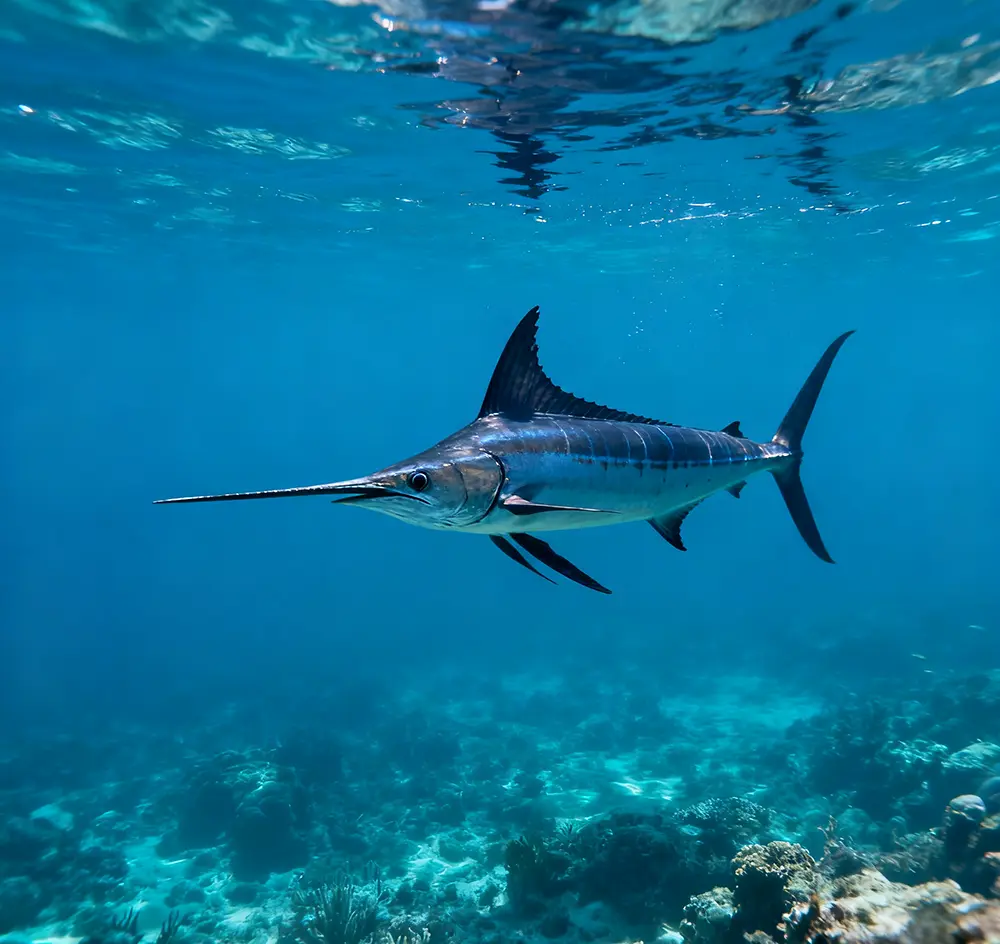 Swordfish: The Silver Blade of the Ocean
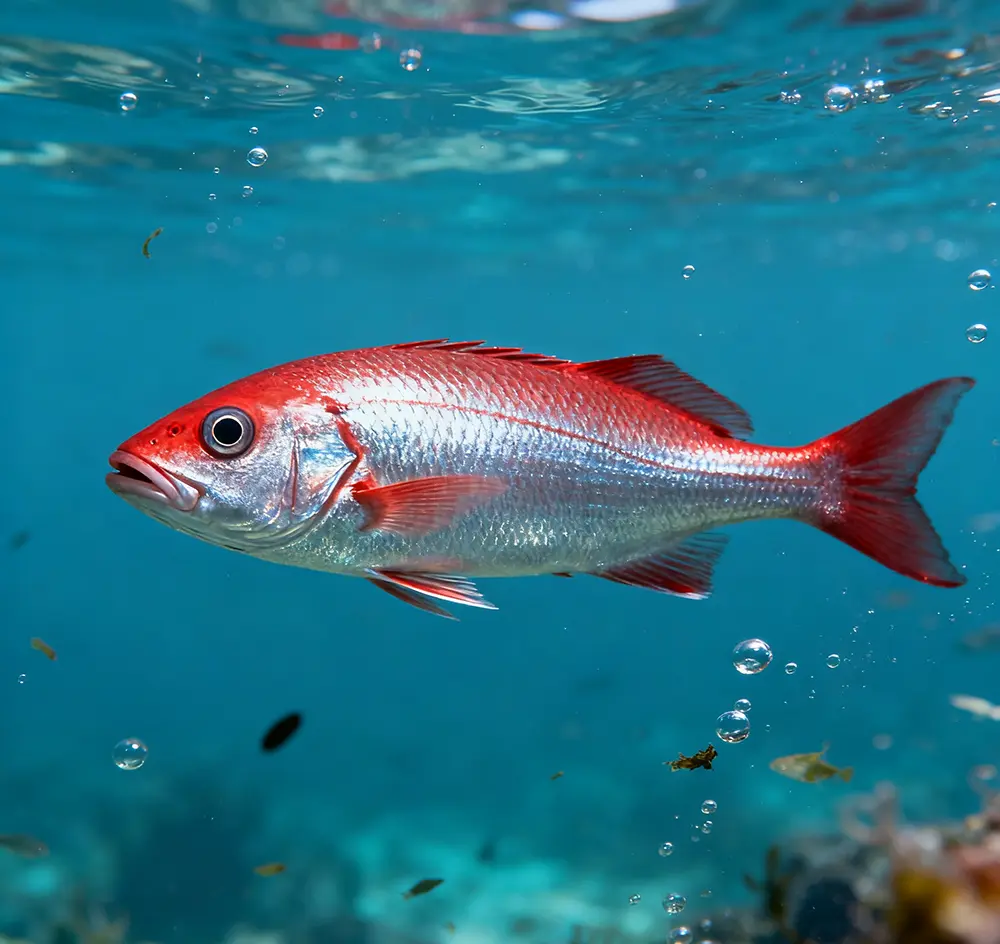 Red Cod| Rockfish | Rosefish: Biology and Sustainable Utilization of a Deep-Sea Delicacy
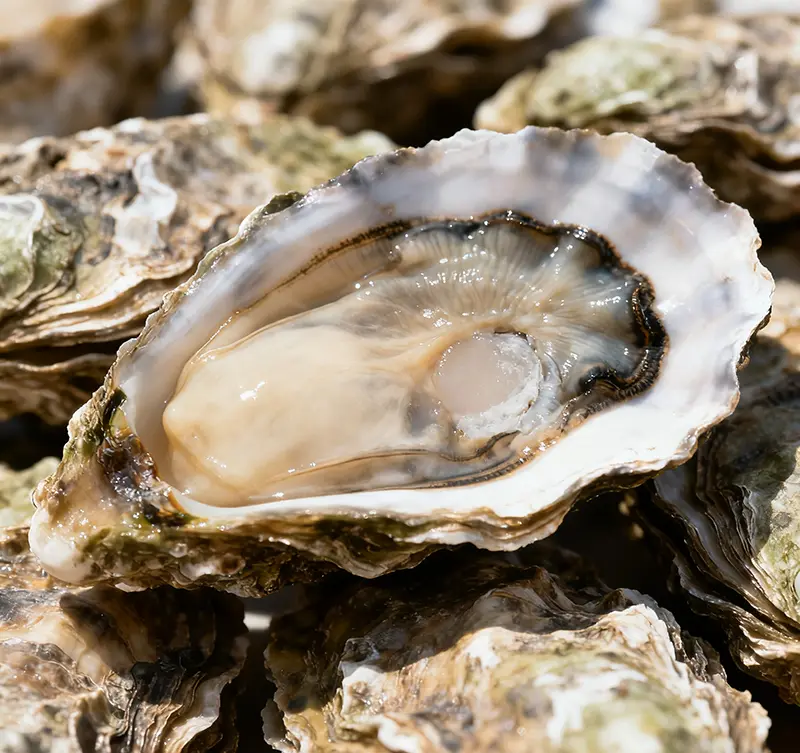 Oysters: Living Filters of the Ocean
Oysters: Living Filters of the Ocean
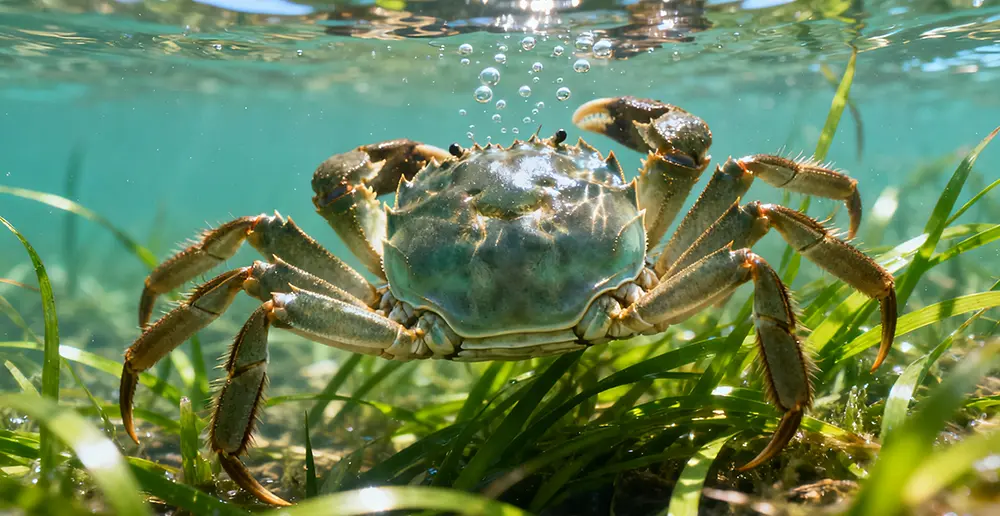 Hairy Crab: Form, Life, Flavor, Types, and Season
Hairy Crab: Form, Life, Flavor, Types, and Season
Red Cod| Rockfish | Rosefish: Biology and Sustainable Utilization of a Deep-Sea Delicacy
Red Cod| Rockfish | Rosefish: Biology and Sustainable Utilization of a Deep-Sea Delicacy
4Bluefin Tuna: Biology and Fisheries Value of a Tropical Oceanic Wanderer
5Moray eel | Eels—Muraenidae: The Secret Predators of the Abyss
6Red Cod| Rockfish | Rosefish: Biology and Sustainable Utilization of a Deep-Sea Delicacy
7Physical Characteristics of Sea Bream | Habits | Edible Value | Species Overview
8Atlantic Mackerel | Boston Mackerel | Norwegian Mackerel | 大西洋鲭鱼
9Red Seabream | Gaji Fish | Copper Basin Fish | 真鲷: Physical Characteristics | Habits | Edible Value
10Yellowfin Tuna | Chuanzai | Huangqi Chuan | 黄鳍金枪鱼: An Analysis of the Biology and Utilization Value