Current location:首页 > Fish > Greenland Shark: Physical Characteristics | Habits | Edible Value | Species Overview | Seasonality
The Greenland shark (绿鲨鱼) is a species of shark found in the deep waters of the Arctic and the North Atlantic, possessing unique characteristics and behaviors. Also known as: Arctic shark, Gurry shark, and Grey shark.
The Greenland shark is a distinct species belonging to the suborder Lamniformes within the order Carcharhiniformes. It is a keystone species in the deep-sea ecosystems of the Arctic and the North Atlantic, playing a particularly important role in clearing decaying organic matter from the ocean floor. The Green Shark is a mysterious and unique species of shark that inhabits the frigid deep-sea environment, possessing numerous fascinating characteristics and behaviors. Due to its habitat and physiological traits, the Green Shark has long been a subject of scientific interest, as researchers seek to gain a deeper understanding of this species.
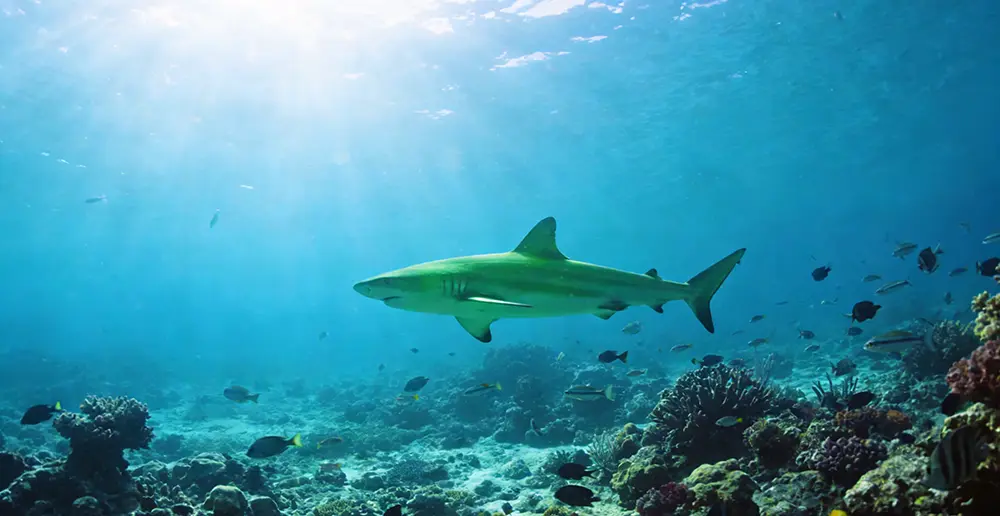
The green shark is a large shark with several unique physical and anatomical characteristics:
1. Large Size: Adult green sharks typically measure 2.4 to 4.8 meters (8 to 16 feet) in length, though there have been reports of individuals reaching even larger sizes.
2. Color: Green sharks are usually gray or brown, with a darker back and a lighter belly.
3. Skin: The skin is rough, covered with small scales, and the surface is dotted with granular protrusions featuring tiny tooth-like structures known as “dermal denticles.”
4. Eyes: Relatively small and round, they usually have cloudy corneas, a result of living in the deep sea where they are not exposed to sunlight.
5. Gills: They possess multiple gill slits, typically five pairs.
6. Teeth: Green sharks have hard, sharp, triangular teeth suited for capturing prey.
Green sharks possess unique habits and adaptive capabilities:
1. Deep-sea Habitat: Green sharks primarily inhabit the deep waters of the Arctic and the North Atlantic, typically living at depths between 200 and 2,200 meters, though there are reports that they can dive to even greater depths.
2. Slow Swimming: Green sharks swim at a relatively slow pace, usually traveling at less than 1 mile per hour, but they can accelerate when searching for prey.
3. Hunting: They feed on benthic organisms and the carcasses of dead animals, using their keen sense of smell to locate food.
4. Long Lifespan: Greenland sharks are considered one of the longest-living vertebrates, with some individuals potentially living for several hundred years.
5. Thermoregulation: Due to their habitat in the frigid Arctic waters, Greenland sharks have a low body temperature and are physiologically adapted to cold environments.
In some regions, the Greenland shark is utilized as a food resource. Particularly in Greenland, people prepare a traditional dish called “Hákarl,” which is made from the fermented and air-dried rotting flesh of the Greenland shark. However, the meat of the Greenland shark contains substances such as urea and ammonia, which can be harmful to humans if not properly processed. Therefore, caution is required when preparing and consuming Greenland sharks.
The Greenland shark (GreenlandShark) is a deep-sea species primarily found in the Arctic and the deep waters of the North Atlantic. They inhabit these cold, deep-sea environments rather than migrating seasonally. Consequently, unlike some other fish species, Greenland sharks are not significantly affected by seasonal changes and can be found in deep-sea waters year-round.
Greenland sharks primarily inhabit depths ranging from 200 to 2,200 meters, where temperatures remain relatively stable and are not significantly affected by seasonal fluctuations. They thrive in cold waters and have adapted to the extreme conditions of the Arctic region.
Consequently, unlike some migratory fish, green sharks do not alter their habitat based on seasonal migration or reproductive cycles. They are a deep-sea shark species relatively unaffected by seasonal variations.
Morphological Characteristics of Conger Eels Fish | Habits | Edible Value | Species Overview | Seaso
Home Back to ColumnPhysical Characteristics of the Blue Starfish | Habits | Edible Value | Varieties | Seasonality
 Swordfish: The Silver Blade of the Ocean
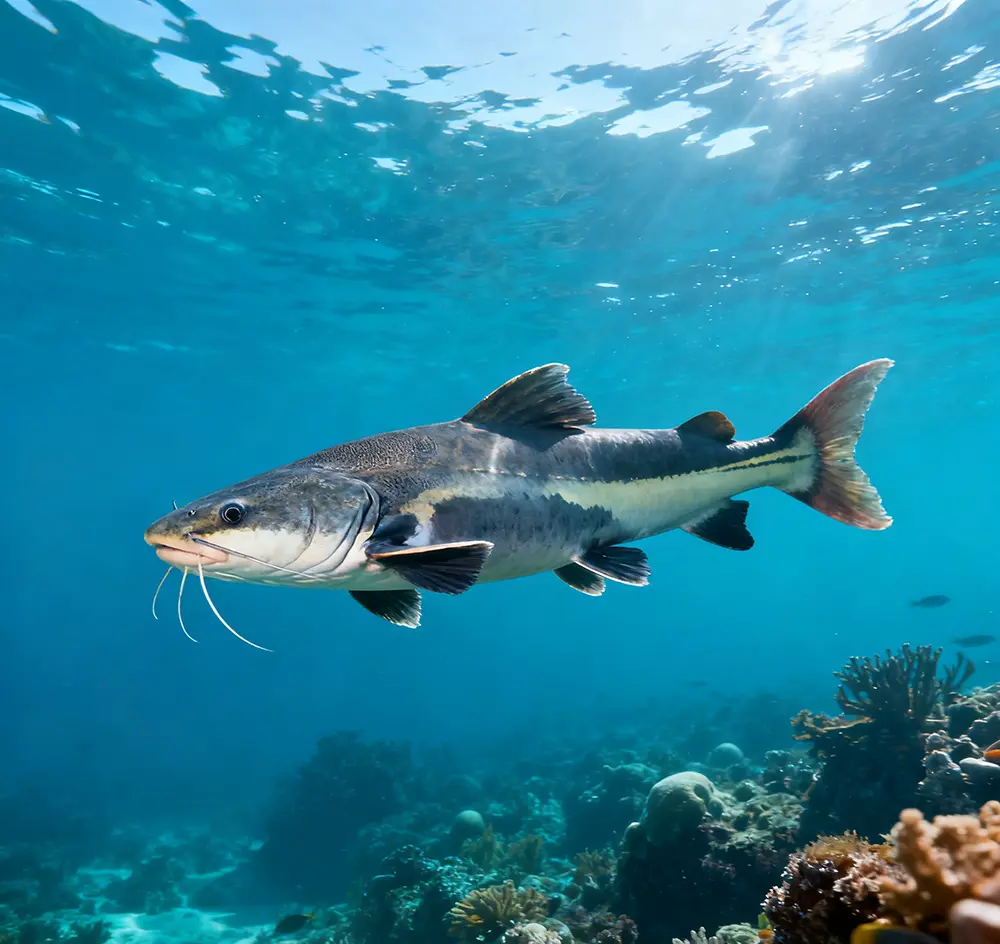 Hardhead Catfish Decoded: Morphology, Habits, Edible Value, Varieties, and Timing
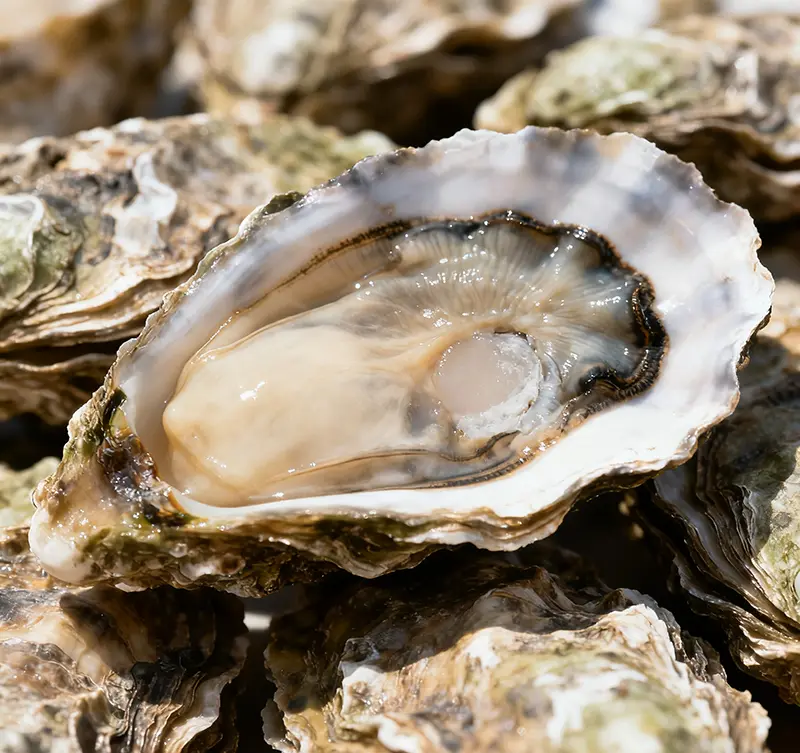 Oysters: Living Filters of the Ocean
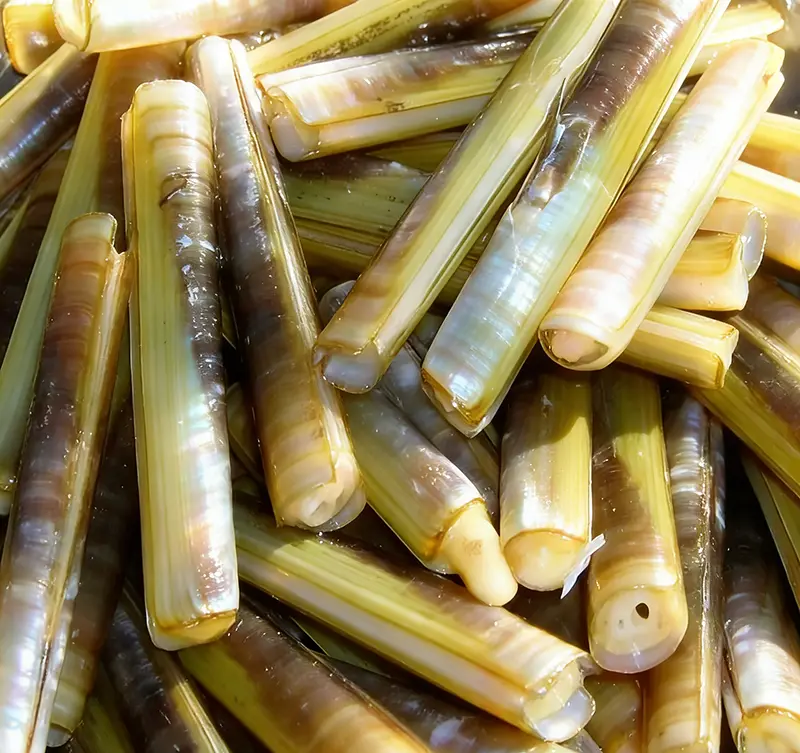 On the Bamboo Clam: Morphology, Burrowing Habits, Edible Value, Species Diversity, and Seasonal Occu
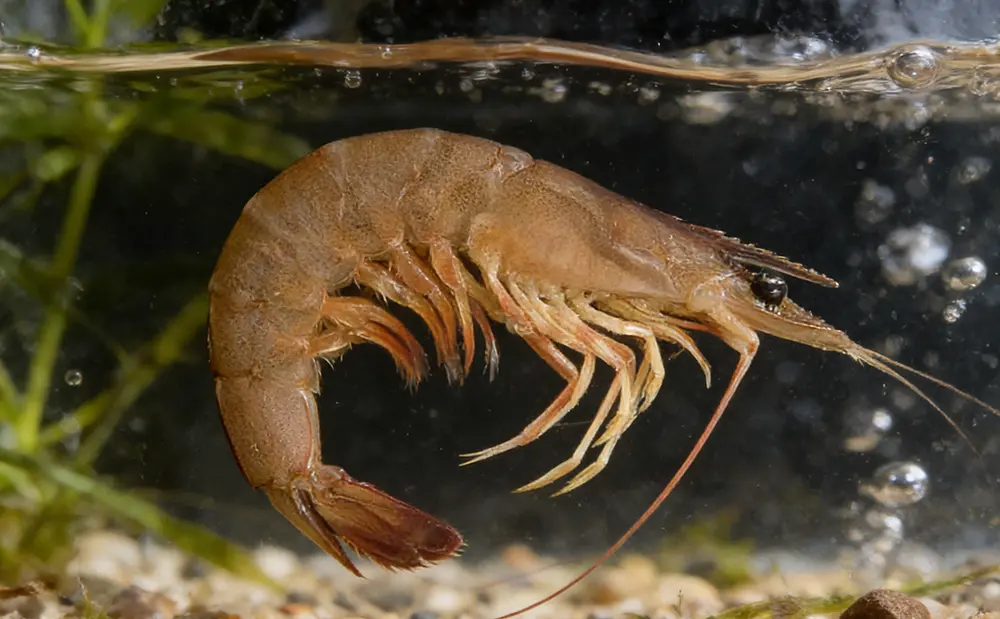 Comprehensive Study of the Giant Tiger Prawn (Penaeus monodon) in Indonesian Waters
Comprehensive Study of the Giant Tiger Prawn (Penaeus monodon) in Indonesian Waters
Oysters: Living Filters of the Ocean
Oysters: Living Filters of the Ocean
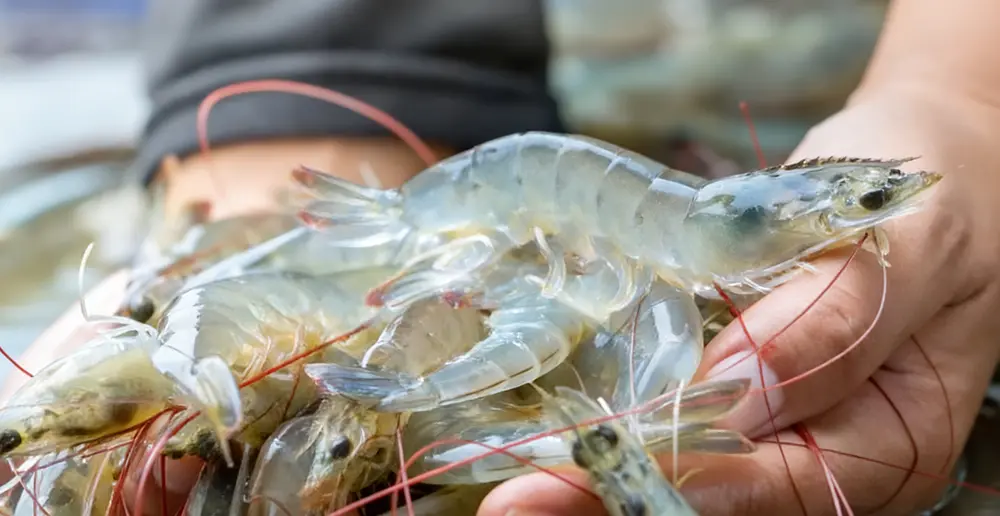 A Comprehensive Analysis of the Indonesian White Prawn (Penaeus merguiensis)
A Comprehensive Analysis of the Indonesian White Prawn (Penaeus merguiensis)
4Glass Catfish Unveiled: Morphological Traits, Daily Life, Ornamental Appeal, Strains, and Seasonal C
5Physical Characteristics of the Checkerboard Wrasse | Habits | Edible Value | Varieties | Seasonalit
6Bluefin Tuna: Biology and Fisheries Value of a Tropical Oceanic Wanderer
7Red Cod| Rockfish | Rosefish: Biology and Sustainable Utilization of a Deep-Sea Delicacy
8Moray eel | Eels—Muraenidae: The Secret Predators of the Abyss
9Greenland Shark: Physical Characteristics | Habits | Edible Value | Species Overview | Seasonality
10Hardhead Catfish Decoded: Morphology, Habits, Edible Value, Varieties, and Timing