Current location:首页 > Fish > Morphological Characteristics, Habits, Edible Value, Varieties, and Seasonality of Sawfish
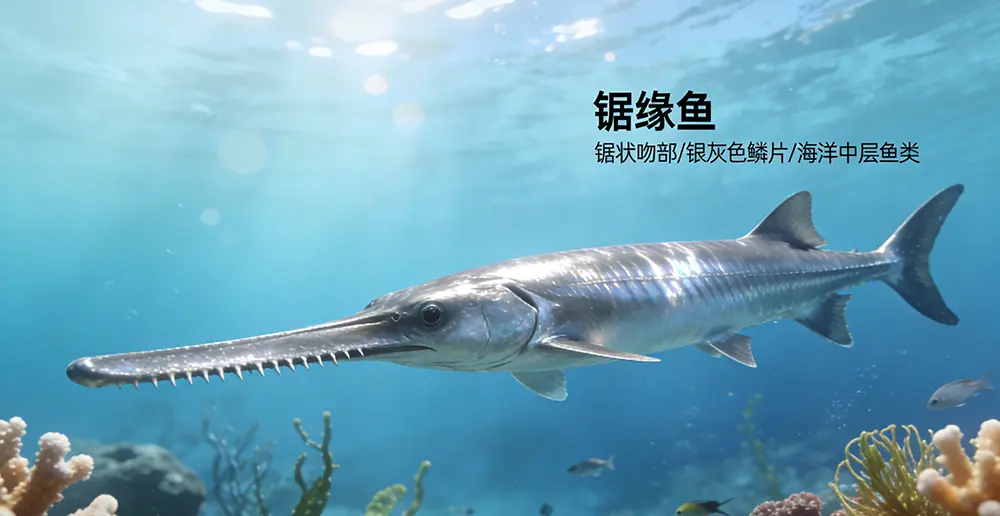
Sawfish (锯缘鱼) are sometimes also called sawtooth fish due to the row of
saw-like protrusions on their long, flat snout.
- The most distinctive feature of the sawfish is its flat, broad snout, which bears a row of protruding, saw-like teeth, resembling a saw. This snout is used to detect and capture prey in the water.
- Their bodies are long and slender, with the dorsal side typically dark brown or gray and the ventral side lighter in color. Their skin is covered with scales.
- Sawfish have relatively small eyes located on the sides of their heads.
- Sawfish primarily inhabit tropical and subtropical oceans, estuaries, mangrove swamps, and freshwater environments.
- They are bottom-dwelling creatures that typically forage on the seafloor for prey such as small fish, worms, and crustaceans.
- Sawfish are solitary creatures and rarely form schools.
- Sawfish are generally not considered edible fish because their saw-like snouts may contain a large number of bones and hard structures, making them unsuitable for consumption.
- Due to their endangered status, fishing and trade in sawfish are largely prohibited internationally.
- Sawfish are a group of fish comprising various species, such as the giant sawfish, the dwarf sawfish, and the long-snouted sawfish. Each species has its own unique characteristics and distribution range.
It is important to emphasize that sawfish face a serious threat of extinction, which is why various international measures have been implemented to protect them. Fishing, trading, and killing sawfish are illegal in many places to help ensure the survival of this rare species.
Sawfish do not exhibit distinct seasonal migratory patterns; they typically inhabit specific marine, estuarine, and freshwater environments rather than undertaking large-scale seasonal migrations like some migratory fish species.
However, it is important to note that sawfish are in a very vulnerable state of survival; they are an endangered species and are subject to strict international protection. Therefore, regardless of the season, fishing for, killing, or capturing sawfish is illegal and subject to international laws and regulations. This is to ensure their survival and prevent further decline in their population.
If you encounter sawfish in their habitat, you should take protective measures, avoid disturbing them, and support initiatives to protect sawfish and their habitats as much as possible.
Physical Characteristics of Sea Bream | Habits | Edible Value | Species Overview
Home Back to ColumnPhysical Characteristics, Habits, Edible Value, Varieties, and Seasonality of Koi
 Swordfish: The Silver Blade of the Ocean
 Hardhead Catfish Decoded: Morphology, Habits, Edible Value, Varieties, and Timing
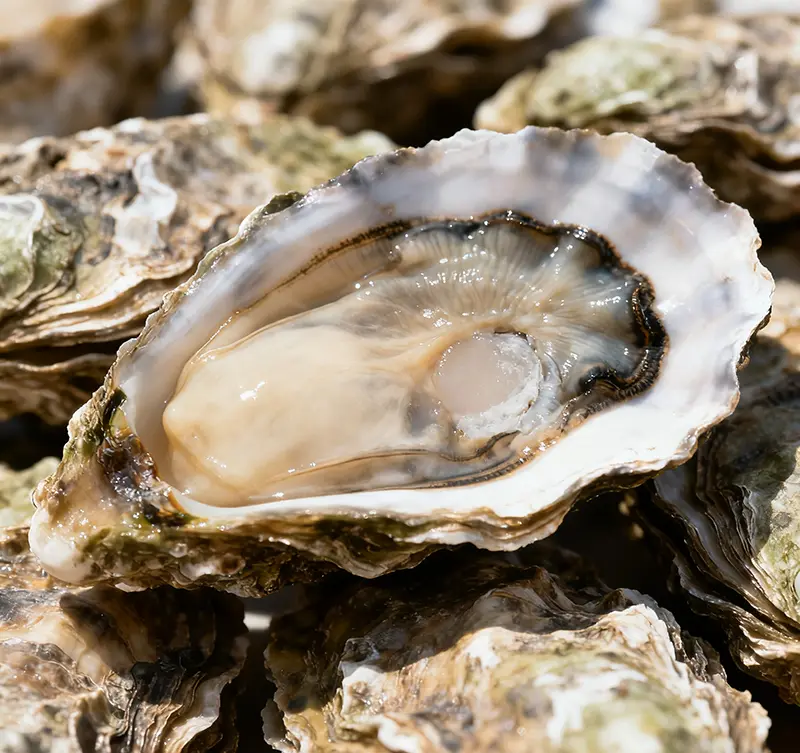 Oysters: Living Filters of the Ocean
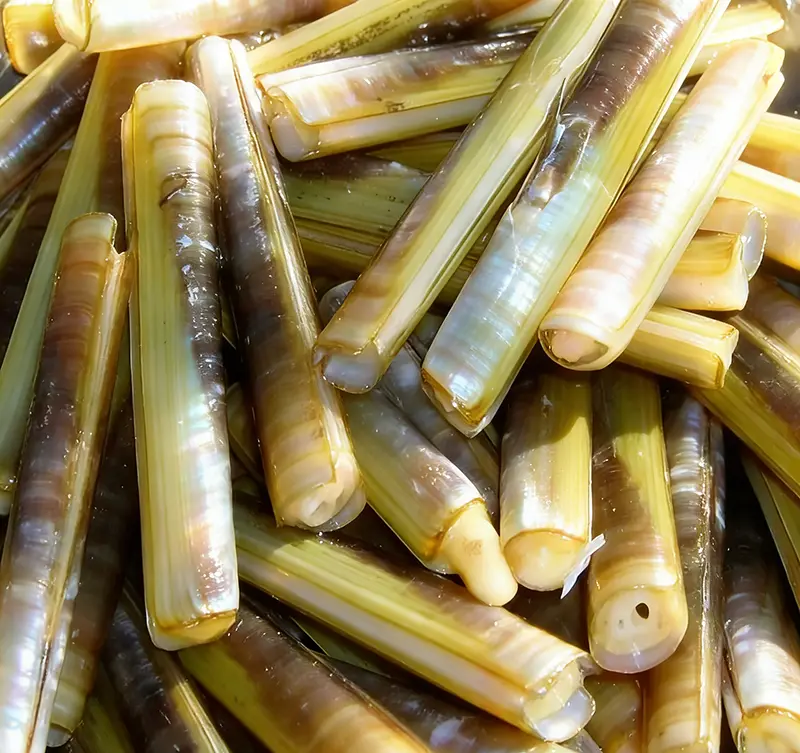 On the Bamboo Clam: Morphology, Burrowing Habits, Edible Value, Species Diversity, and Seasonal Occu
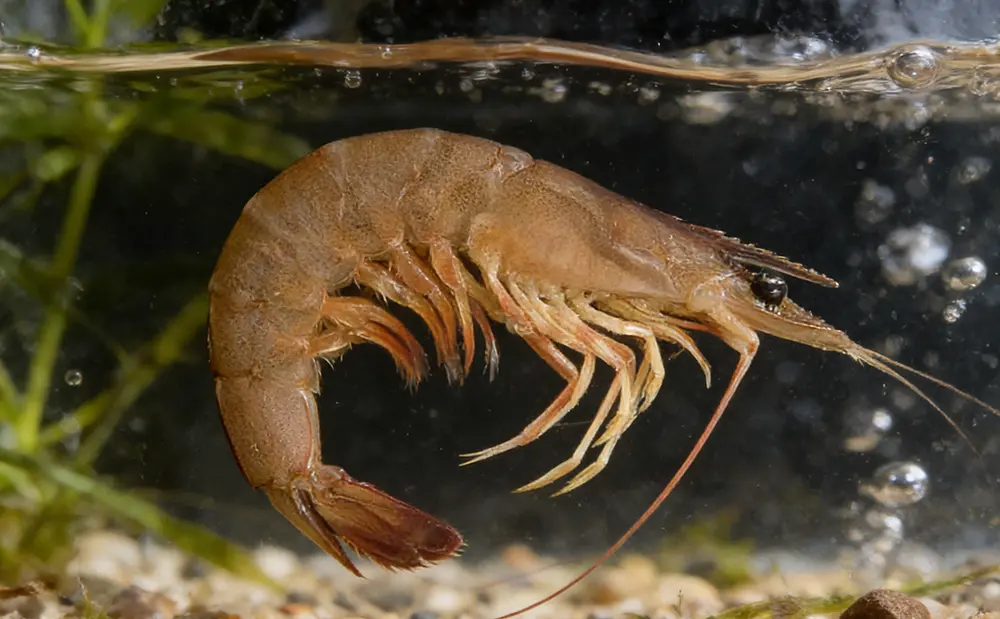 Comprehensive Study of the Giant Tiger Prawn (Penaeus monodon) in Indonesian Waters
Comprehensive Study of the Giant Tiger Prawn (Penaeus monodon) in Indonesian Waters
Oysters: Living Filters of the Ocean
Oysters: Living Filters of the Ocean
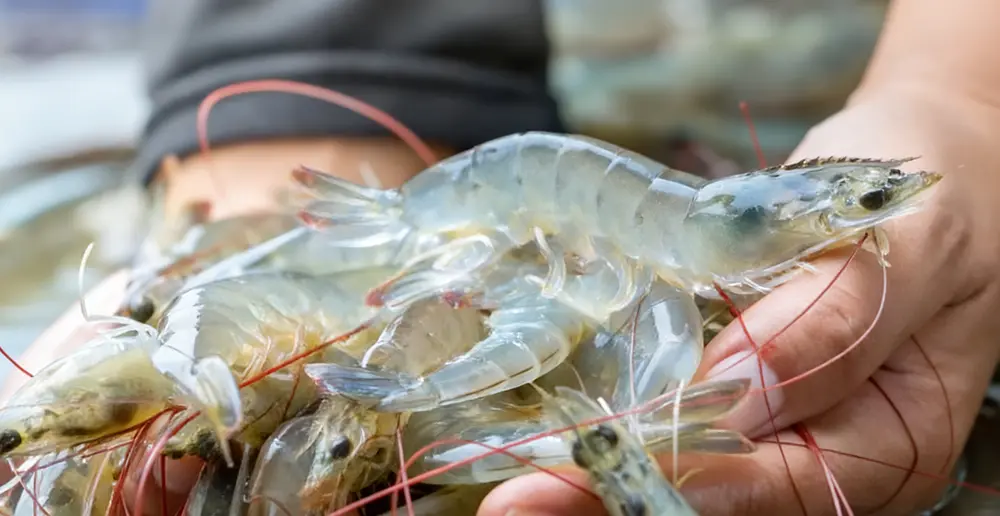 A Comprehensive Analysis of the Indonesian White Prawn (Penaeus merguiensis)
A Comprehensive Analysis of the Indonesian White Prawn (Penaeus merguiensis)
4Glass Catfish Unveiled: Morphological Traits, Daily Life, Ornamental Appeal, Strains, and Seasonal C
5Physical Characteristics of the Checkerboard Wrasse | Habits | Edible Value | Varieties | Seasonalit
6Bluefin Tuna: Biology and Fisheries Value of a Tropical Oceanic Wanderer
7Red Cod| Rockfish | Rosefish: Biology and Sustainable Utilization of a Deep-Sea Delicacy
8Moray eel | Eels—Muraenidae: The Secret Predators of the Abyss
9Greenland Shark: Physical Characteristics | Habits | Edible Value | Species Overview | Seasonality
10Hardhead Catfish Decoded: Morphology, Habits, Edible Value, Varieties, and Timing