Current location:首页 > Fish > Glass Catfish Unveiled: Morphological Traits, Daily Life, Ornamental Appeal, Strains, and Seasonal C
The Glass Catfish (scientific name: Parasilurus asotus; Chinese name: 玻璃鳅鱼), also known as the transparent catfish(透明鲶鱼) or crystal loach(水晶泥鳅), is primarily found in the freshwater basins of Southeast Asia. It is a small to medium-sized freshwater fish, renowned for its uniquely transparent body.
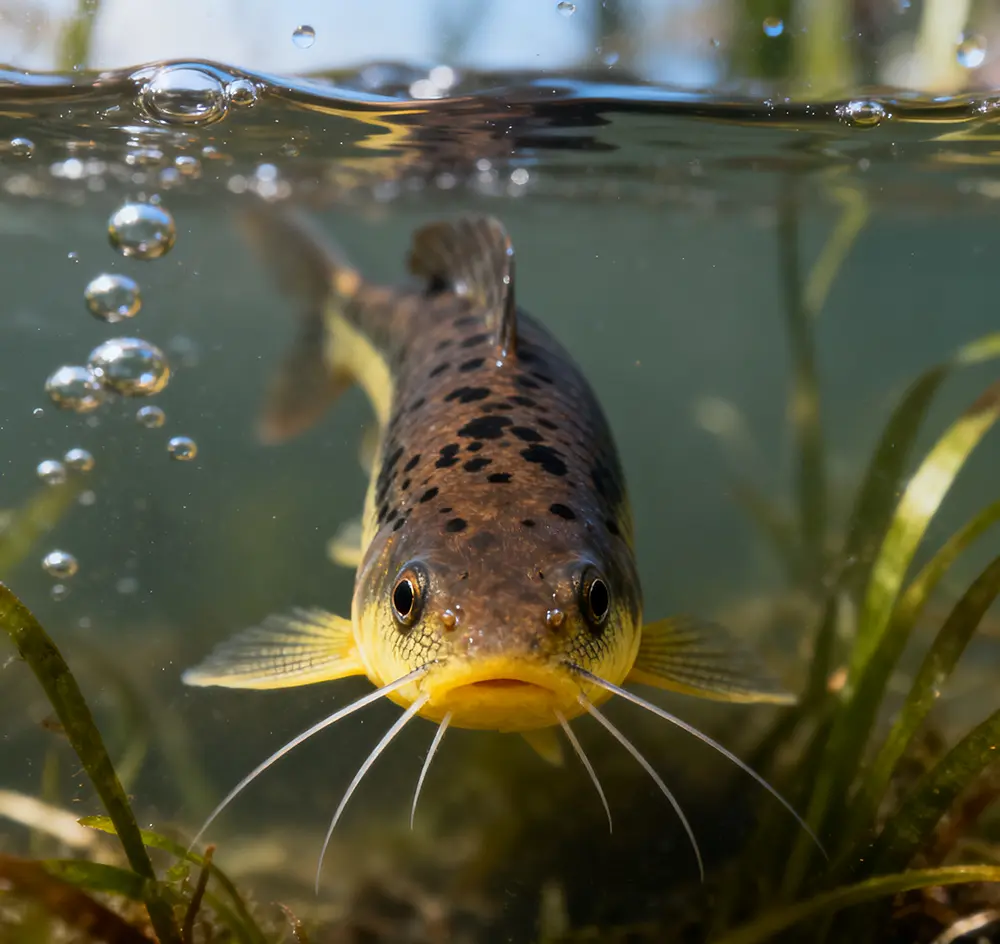
The Glass Catfish has a slender, laterally compressed body shaped like a willow leaf. Adult individuals typically range from 8 to 15 centimeters in length, with the largest recorded specimen reaching 18 centimeters. The most distinctive feature is its nearly completely transparent body, through which the spine and internal organs can be directly observed through the skin and muscle. The head is relatively small and slightly triangular, with an inferior mouth and three pairs of elongated barbels (one pair of maxillary barbels and two pairs of mandibular barbels), which can reach up to one-third of the body length. The dorsal fin is short and positioned far back, the anal fin has a long base, and the caudal fin is deeply forked. Compared to common catfish, the Glass Catfish has a more slender skeletal structure and more loosely arranged muscle tissue, forming the structural basis for its transparent appearance.
The transparency of the Glass Catfish results from several specialized adaptations: the skin lacks pigment cells (melanophores and iridophores), the myofibrils in the muscle tissue are arranged with exceptionally low density, and the content of guanine crystals in the body is extremely low. Under stress, a faint silvery-white longitudinal band may appear on the flanks; during the breeding season, gonadal development may cause a pale yellow coloration in the abdomen of females and a pale red coloration in males. Compared to the Indian glassfish (Parambassis ranga), the Glass Catfish exhibits greater transparency, clearer delineation of internal organs, and does not undergo artificial dyeing to alter its body color.
The Glass Catfish possesses a highly developed sensory system: the lateral line system contains specialized neuromasts that can detect subtle water currents; the barbels are densely covered with taste buds, enabling it to locate food in turbid waters; despite having small eyes, the retina contains double cone cells adapted for low-light conditions. Compared to the blind loach (Noemacheilus), it has stronger visual ability but slightly weaker olfaction.
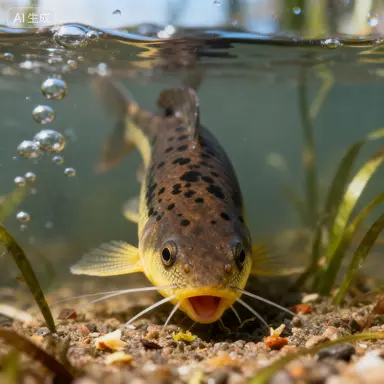
The Glass Catfish is primarily distributed in the Mekong and Chao Phraya river basins in Southeast Asia, as well as in freshwater streams on islands such as Sumatra and Java. It prefers slow-moving or still water environments, such as vegetated river bends, swamps, and irrigation ditches in rice paddies, typically at depths of 0.5–3 meters. It has strict water quality requirements: pH 6.5–7.5, water temperature 24–28°C, and dissolved oxygen levels above 5 mg/L. During the rainy season, it disperses with floodwaters into floodplains, retreating to deep pools in main river channels during the dry season. Compared to carp, the Glass Catfish is more sensitive to water quality changes and serves as a typical environmental indicator species.
The Glass Catfish is omnivorous with a carnivorous bias, primarily feeding on zooplankton such as cladocerans and copepods, aquatic insect larvae, and organic detritus. Foraging activity occurs mainly at dusk and during the night, using its barbels to explore the substrate for food. It exhibits a unique "suspension feeding" behavior: maintaining a body angle of 45 degrees while rapidly sucking in suspended particles. Daily food intake accounts for approximately 8–12% of body weight, significantly higher than that of similarly sized tetras. Compared to corydoras catfish, the Glass Catfish forages more in mid-water layers and rarely disturbs the substrate.
The breeding season coincides with the rainy season (May–October), with a 2–3°C drop in water temperature triggered by rainfall serving as the primary spawning cue. Females attach adhesive eggs to the underside of aquatic plant leaves, laying 200–400 eggs per spawn. Males exhibit egg-guarding behavior, fanning the eggs with their pectoral fins to provide oxygen. Fertilized eggs hatch within 36–48 hours, with newly hatched larvae measuring approximately 3 mm in total length, beginning to feed on rotifers after three days. A notable developmental phenomenon: transparency is highest during the juvenile stage (1–2 cm) and gradually becomes slightly milky with sexual maturity. Compared to guppies, its reproductive cycle is longer (reaching sexual maturity in 6–8 months), but its lifespan is shorter (typically 2–3 years).
The Glass Catfish has delicate flesh but a low meat yield (only 40% of body weight). It has a relatively high protein content (17–19 g per 100 g) and an extremely low fat content (0.3–0.5 g). It is rich in calcium and phosphorus (with a Ca:P ratio of 1:1.2), beneficial for bone health, and has a notable vitamin B2 content, though it is deficient in vitamin D. As it feeds on zooplankton, it may accumulate cyanotoxins (such as microcystins) in its body, necessitating strict source control. Compared to tilapia, it has a richer mineral content but also higher consumption risks.
In traditional Southeast Asian cuisine, it is primarily prepared in three ways: first, deep-fried (Thai-style fried glass fish), making it crispy and edible whole; second, in soups (Cambodian sour fish soup), where it imparts umami flavor to the broth; and third, fermented to make fish sauce. The flesh is extremely delicate, turning translucent when heated, with a mild, slightly sweet flavor; however, a slight bitter aftertaste needs to be balanced with herbs such as lemongrass and lemon grass. It is unsuitable for dry-heat cooking methods such as grilling or pan-frying, as its high water content (approximately 82%) makes it prone to falling apart. Compared to icefish (whitebait), the Glass Catfish has more pronounced bones, typically requiring deep-frying to soften them.
Key risks include: first, parasites (particularly gnathostomiasis), where consumption raw or undercooked may lead to visceral larva migrans; second, bioaccumulation of heavy metals (such as cadmium) due to water pollution. Some regions in Thailand have banned the harvesting of wild populations due to agricultural pollution; the Tonle Sap Lake in Cambodia has a year-round fishing ban in protected areas. In terms of religious practices, some Buddhist precepts advise against its consumption, considering it a "sentient being."
In a broad sense, the Glass Catfish includes two distinct species: the Southeast Asian *Kryptopterus vitreolus* (true glass catfish) and the Indian *Kryptopterus bicirrhis* (two-barbel glass catfish). Common variants in the market include: "Ghost Glass" (completely transparent), "Platinum Glass" (with a metallic sheen), and "Phantom Glass" (with a black-edged dorsal fin). Key identification features: the true glass catfish lacks a dorsal fin, while the two-barbel glass catfish retains a tiny dorsal fin; the Phantom Glass variant has a larger body size (up to 15 cm).
Easily confused species include: - X-ray tetra (*Pristella maxillaris*): possesses an adipose fin and black markings; - Silver moony (*Monodactylus argenteus*): laterally compressed and disc-shaped; - Glass knifefish (*Eigenmannia virescens*): possesses electrogenic organs. There are significant differences in edibility: the Glass Catfish is edible, whereas the X-ray tetra contains highly toxic tetrodotoxin; the Silver moony is banned for consumption in several countries due to algal toxin accumulation.
Harvesting of wild populations is concentrated in the dry season (November–April), when clear water facilitates capture, fish congregate in deep pools, and condition factor is high. The rainy season (May–October) is a closed season for spawning, and floodwaters may impart an earthy taste to the fish. The optimal consumption period is from January to March, when fat reserves peak (approximately 1.5%). Farmed products are available year-round but exhibit lower transparency and a milder flavor. Compared to salmon, its seasonality is more pronounced, with greater quality differences between wild and farmed specimens.
The Glass Catfish is extremely perishable and must be immediately stunned in ice water (0–2°C) after capture, with oxygenated packaging required during transport. Traditional preservation methods include: - lime pickling (Laotian practice): mixing raw fish with lime and drying, yielding a shelf life of 6 months; - banana leaf-wrapped fermentation (Vietnamese): natural lactic acid fermentation for two weeks; - deep-frying followed by vacuum packaging (Thai): a modern processing method. When purchasing, fresh fish should be uniformly transparent without any milky opacity; the eyes should remain bright and clear; the barbels should be intact without breakage.
As an environmentally sensitive species, its population status directly reflects the health of aquatic ecosystems: reduced transparency indicates suspended particulate pollution; barbel deformities suggest heavy metal contamination; reproductive failure is often linked to pesticide pollution. Thailand has developed a "biological early warning system" using this species, rearing them at the intakes of water treatment plants to monitor water quality. However, overfishing has led to declines in wild populations, with a 60% reduction in the lower Mekong River basin between 2000 and 2020.
In the aquarium trade, it is considered a mid-tier ornamental fish (priced at $2–5 per fish), with a global annual trade volume of approximately 3 million individuals. In Buddhist culture, it symbolizes "purity and defilement-free" and is often released into temple ponds. In the arts and sciences, its transparency has been utilized for biological dissection teaching and optical research. Breakdown of economic value: food accounts for only 10%, ornamental trade 70%, and scientific research 20%.
Major challenges in artificial breeding include: ① Larval starter feed requires paramecia, which is costly; ② Transparent bodies result in weak disease resistance, making them susceptible to fungal infections; ③ Photoperiod affects gonadal development. Recent breakthroughs: South Korea has developed microparticulate artificial feed to replace live food; Singapore has genetically selected disease-resistant strains. However, the transparency of farmed individuals consistently falls short of that of wild populations, limiting market premium potential.
The Glass Catfish (Glass Catfish) is a transparent freshwater fish endemic to Southeast Asia, renowned for its unique biological characteristics and multifaceted value.
Morphologically, its extreme transparency represents an optical marvel in nature, supported by specialized sensory organs adapted for low-light environments. Ecologically, its high sensitivity to water quality makes it an environmental indicator species, though wild populations are threatened by habitat degradation. In terms of edible value, while the flesh is delicate, risks associated with parasites and toxin accumulation necessitate careful handling and source traceability.
Species identification requires attention to geographic variants and ornamental morphs to avoid confusion with toxic relatives. Harvesting is concentrated in the dry season, and advanced preservation techniques are key to maintaining quality. Despite its established position in the ornamental fish market, its ecological vulnerability calls for stricter conservation measures. Advances in aquaculture hold promise for alleviating pressure on wild populations, though maintaining transparency remains a technical bottleneck.
Future efforts should focus on establishing a transnational conservation network to balance the diverse demands of the ornamental trade, traditional consumption, and ecological protection.
References:
Transparency mechanism studies: *Journal of Experimental Biology* Vol. 218 (2016)
Distribution and ecological data: IUCN Freshwater Fish Assessment Report for Southeast Asia (2022)
Nutritional composition: Official test report from the Thai Department of Fisheries (2020)
Parasite risk: *The Lancet* study on foodborne diseases in Southeast Asia (2019)
Population trends: Mekong River Commission monitoring data (2000–2020)
Aquaculture techniques: Southeast Asia special issue in *Aquaculture Research* (2021)
Morphological Characteristics, Habits, Edible Value, Varieties, and Seasonality of the Yellow-Brown
Home Back to ColumnSilver Cod Essentials: Form, Living Behavior, Taste, Types, and Peak Seasons
 Swordfish: The Silver Blade of the Ocean
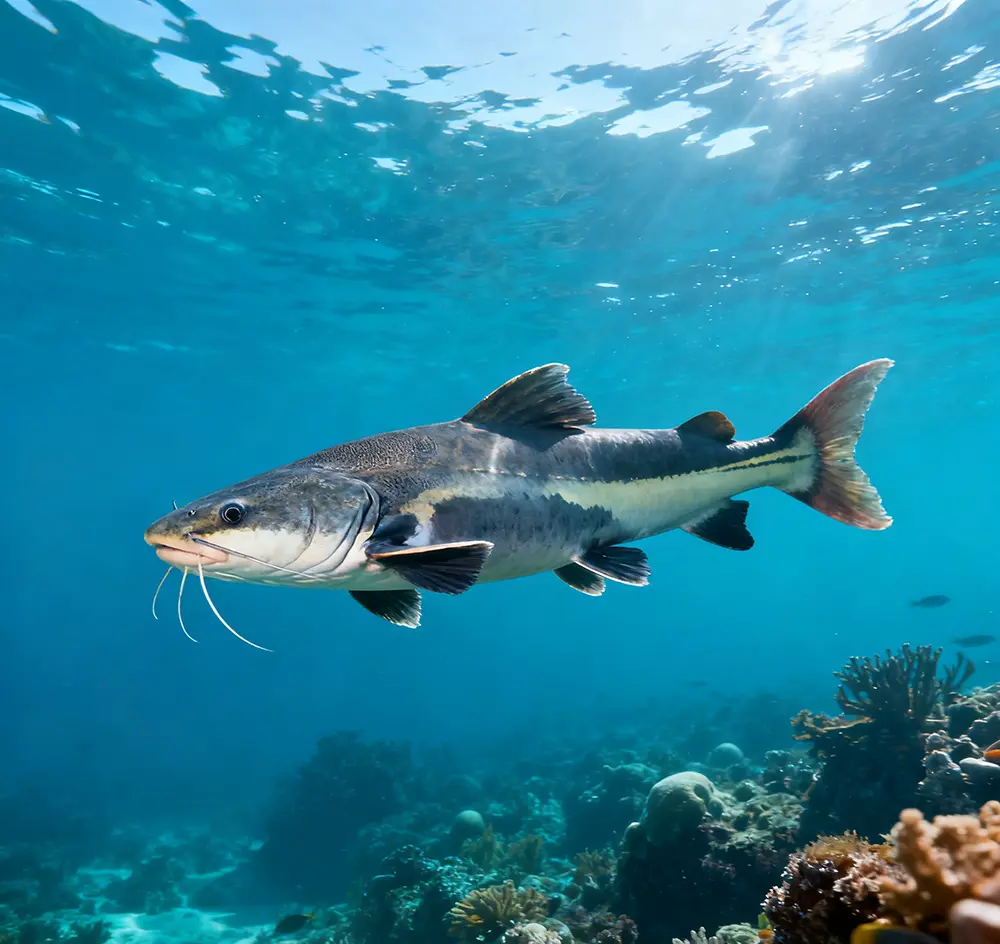 Hardhead Catfish Decoded: Morphology, Habits, Edible Value, Varieties, and Timing
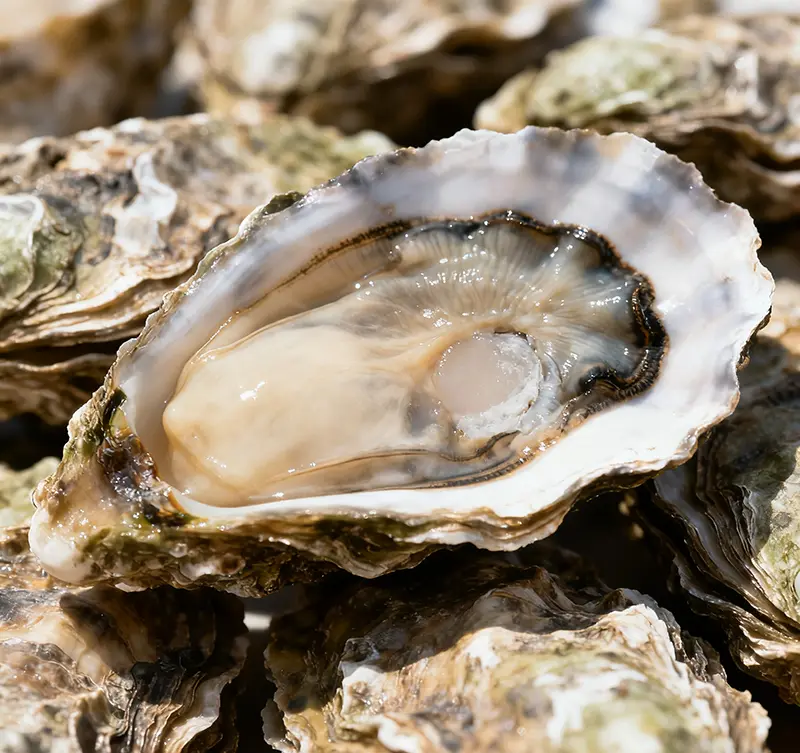 Oysters: Living Filters of the Ocean
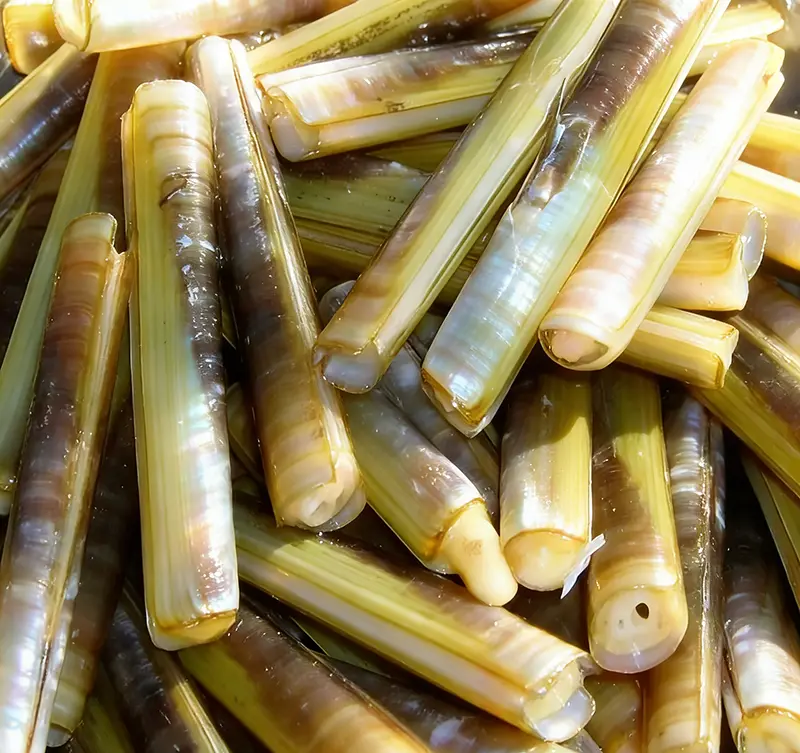 On the Bamboo Clam: Morphology, Burrowing Habits, Edible Value, Species Diversity, and Seasonal Occu
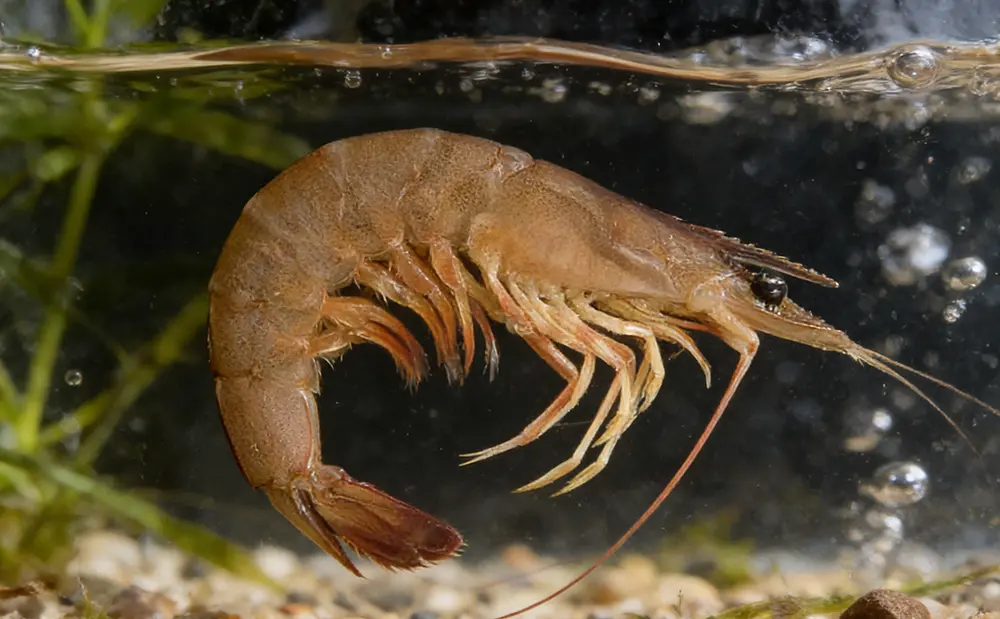 Comprehensive Study of the Giant Tiger Prawn (Penaeus monodon) in Indonesian Waters
Comprehensive Study of the Giant Tiger Prawn (Penaeus monodon) in Indonesian Waters
Oysters: Living Filters of the Ocean
Oysters: Living Filters of the Ocean
 A Comprehensive Analysis of the Indonesian White Prawn (Penaeus merguiensis)
A Comprehensive Analysis of the Indonesian White Prawn (Penaeus merguiensis)
4Glass Catfish Unveiled: Morphological Traits, Daily Life, Ornamental Appeal, Strains, and Seasonal C
5Physical Characteristics of the Checkerboard Wrasse | Habits | Edible Value | Varieties | Seasonalit
6Bluefin Tuna: Biology and Fisheries Value of a Tropical Oceanic Wanderer
7Red Cod| Rockfish | Rosefish: Biology and Sustainable Utilization of a Deep-Sea Delicacy
8Moray eel | Eels—Muraenidae: The Secret Predators of the Abyss
9Greenland Shark: Physical Characteristics | Habits | Edible Value | Species Overview | Seasonality
10Hardhead Catfish Decoded: Morphology, Habits, Edible Value, Varieties, and Timing