The hard clam (scientific name: Mercenaria mercenaria; Chinese name: 文蛤、厚蛤、北方圆蛤、美洲帘蛤), also known as the American hard clam, is primarily found in the intertidal zones and shallow coastal waters along the Atlantic coast of North America. It is a bivalve mollusk of significant economic value.
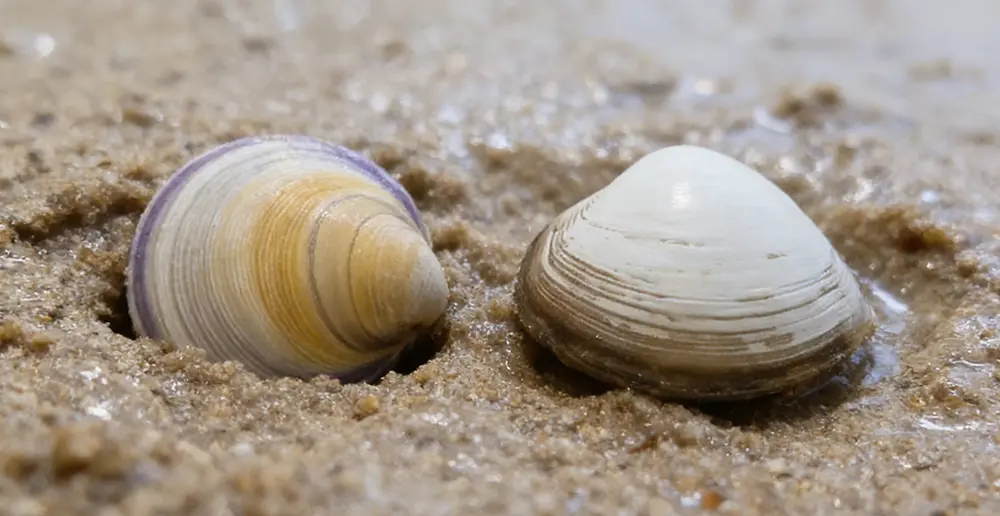
The Hard Clam’s shell is oval or round in shape, with a thick, heavy, and hard shell. The shell length of adult individuals typically ranges from 7 to 12 centimeters, with the largest recorded specimen reaching 15 centimeters. The apex is distinctly prominent, located slightly forward of the center of the dorsal surface; the umbo is heart-shaped, and the scapula is narrow and elongated. The shell surface features dense concentric growth rings with prominent ridges, and the annual rings are clearly distinguishable. The shell color is typically grayish-white or light brown, while the inner surface is white with purple-colored patches. Compared to the Chinese clam (Veneridae), the Hard Clam has a thicker, heavier shell and a shape closer to a perfect circle; compared to the green clam, the Hard Clam has a more prominent apex and more distinct growth rings.
The soft parts of the Hard Clam primarily include: a well-developed foot, mantle, gill flaps, digestive system, and gonads. The foot is robust and axe-shaped, serving as the primary organ for digging into mud and sand; when contracted, it closes the shell tightly. The mantle margin is thick and possesses sensory and secretory functions. The gill valves are well-developed with dense gill filaments, serving not only for respiration but also as the primary filter-feeding organs. The digestive system includes the mouth, stomach, intestine, and digestive glands; the intestine is relatively long and highly coiled. Compared to the common clam, the Hard Clam has a more robust adductor muscle and stronger shell-closing force; compared to the oyster, the Hard Clam has a more plump soft body and a higher meat yield.
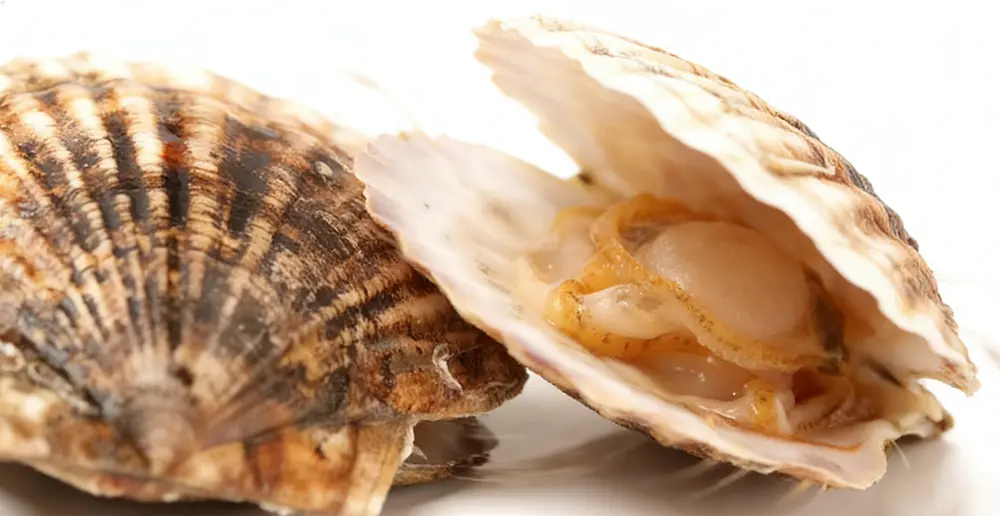
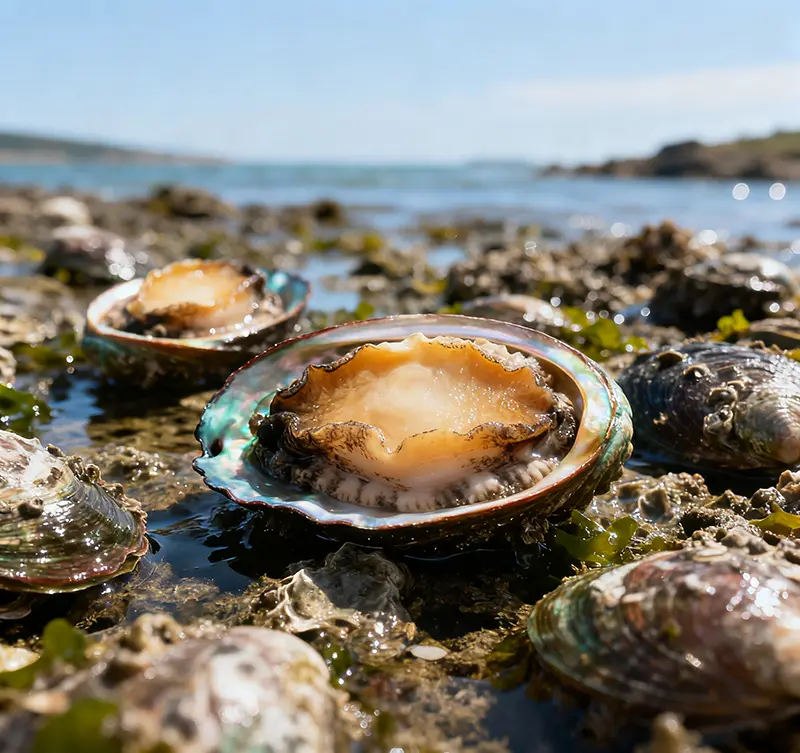
The Hard Clam possesses two well-developed siphons (inlet and outlet), the openings of which are equipped with tentacles and sensory papillae that detect changes in the surrounding environment and potential dangers. The mantle margin secretes nacre, which is used to repair damaged shells and resist external erosion. The base of the adductor muscle contains byssal glands; during the juvenile stage, these secrete byssal threads for temporary attachment, which disappear in adulthood. Compared to scallops, Hard Clams have weaker mobility; compared to abalone, Hard Clams have stronger shell protection but lower mobility.
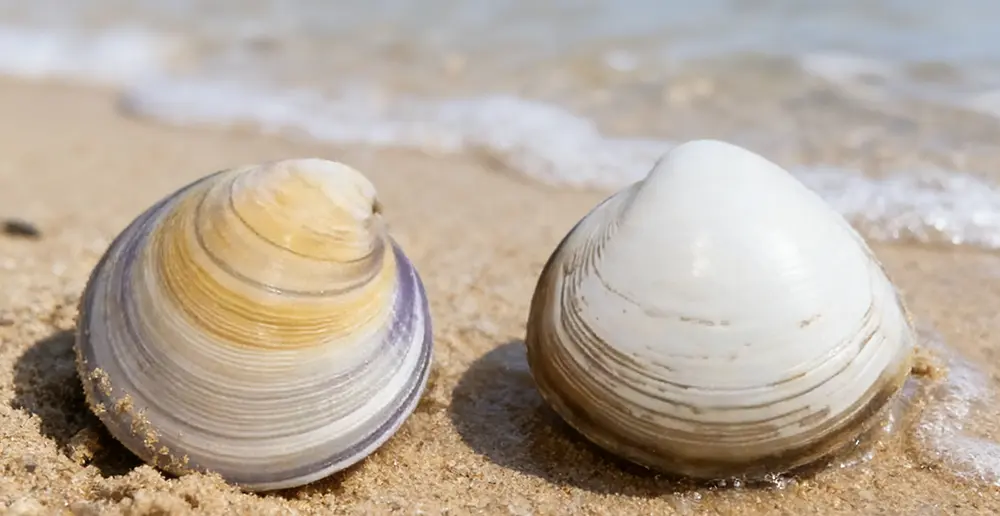
The Hard Clam is primarily distributed along the North American Atlantic coast, from the Gulf of St. Lawrence in Canada to the northern Gulf of Mexico in the United States. It typically inhabits sandy-muddy seabeds in the intertidal zone and at depths of up to 15 meters. The optimal water temperature is 5–25°C, salinity of 20–35‰, and is highly adaptable to temperature fluctuations. It typically burrows 5–15 centimeters into the substrate and relies on siphons to exchange substances with the external environment. Unlike the mud clam, which prefers muddy bottoms, the Hard Clam favors sandy bottoms; compared to the blood clam, the Hard Clam has lower tolerance for low-salinity environments and is primarily found in waters with higher salinity.
The Hard Clam is a typical filter-feeding mollusk that uses the movement of gill cilia to filter single-celled algae, organic debris, and micro-organisms from seawater. It is highly efficient at filtering; a single adult can filter 20–40 liters of seawater per day, with feeding rates significantly influenced by water temperature, tides, and prey density. Unlike oysters, which filter-feed while sessile, Hard Clams can move to select feeding sites; compared to juvenile clams, Hard Clams are more selective regarding algal size, with a preference for phytoplankton ranging from 5 to 15 micrometers.
Hard Clams are dioecious, with the breeding season primarily occurring in summer (June–August) when water temperatures exceed 20°C. Fertilization occurs through the release of sperm and eggs into seawater; a single adult Hard Clam can produce 2–5 million eggs at a time. Fertilized eggs undergo the trochophore and panula larval stages, followed by attachment and metamorphosis approximately 2–3 weeks later. Growth is relatively slow; it takes 3–4 years to reach market size (over 7 cm), 5–6 years to reach sexual maturity, and the typical lifespan is 10–15 years, with some individuals living up to 30 years or more. Compared to clams, Hard Clams have a longer growth cycle; compared to oysters, Hard Clams have a more concentrated breeding season and produce a larger number of eggs.
Hard Clams have a delicious texture, with a protein content of approximately 12–15% and a fat content below 1.5%, making them a high-quality, high-protein, low-fat food source. Rich in taurine (200–300 mg per 100 g) and amino acids such as glycine, they help lower cholesterol and protect cardiovascular health. In terms of minerals, zinc and selenium stand out: zinc content meets over 50% of the daily requirement, while selenium content reaches as high as 80% of the daily need. Compared to oysters, Hard Clams have lower cholesterol levels; compared to scallops, Hard Clams offer a more balanced profile of trace elements, particularly with higher iron content.
Hard Clams have plump flesh and a sweet, delicate flavor, making them suitable for a variety of cooking methods. The most common preparation is clam chowder; in American-style recipes, cream and potatoes are often added. They can also be steamed or grilled to preserve their natural flavor. In Italian cuisine, they are frequently used as an ingredient in seafood pasta dishes, while in French cuisine, they are commonly used to make bouillabaisse. Compared to blood clams, Hard Clams have a firmer texture; compared to green clams, Hard Clams have a more intense umami flavor but require longer cooking times. It is important to ensure they are thoroughly cooked, otherwise the meat will remain tough. The optimal cooking time is 5–8 minutes after the water comes to a boil.
When consuming Hard Clams, please note the following: First, they may carry pathogenic bacteria such as Vibrio parahaemolyticus, so they must be thoroughly cooked before eating; second, they may accumulate shellfish toxins (such as paralytic shellfish poison), so consumption should be avoided during red tide events; Third, they may accumulate heavy metals (such as mercury and cadmium), so choose sources from areas with lower pollution levels. In certain protected areas (such as marine ecological reserves), harvesting wild Hard Clams is prohibited; consumers should opt for farmed or legally harvested products. The U.S. FDA recommends that pregnant women and children consume no more than 340 grams per week.
Common Hard Clam species in the North American market include: the Northern Hard Clam (Mercenaria mercenaria, shell length 7–12 cm, distinct growth rings), the Southern Hard Clam (Mercenaria campechiensis, larger and thicker shell), and hybrid varieties. Distinguishing by appearance: The Northern Hard Clam has a grayish-white shell and a rounder shape; the Southern Hard Clam has a brownish shell and a more oval shape; hybrid varieties exhibit characteristics of both. By size: small Hard Clams (3–5 cm), medium Hard Clams (5–7 cm), large Hard Clams (7 cm and above), and extra-large Hard Clams (10 cm and above).
Common species often confused in the market include: the Chinese clam (Meretrix lusoria), the green clam (Cyclina sinensis), and the warty clam (Venus verrucosa). Key identification points: The shell of the true Hard Clam is nearly perfectly circular and thick; the Chinese clam has a more triangular shell with a smooth surface; the Chinese Venus clam has a bluish-gray shell with finer growth rings; the warty Venus clam has a shell surface with wart-like protrusions. There is a significant price difference: premium Hard Clams can reach $10–15 per kilogram, while ordinary clams are only $3–5. In processed products, the meat of the true Hard Clam is milky white, and the adductor muscle is strong; counterfeit products often use other clam species as substitutes, resulting in inferior flavor and texture.
The harvest season for wild Hard Clams varies by region: along the North Atlantic coast, the main fishing seasons are in spring and fall (April–June and September–November); in the northern Gulf of Mexico, they can be harvested year-round, but quality is best in summer. Farmed Hard Clams are available year-round, but the optimal time to eat them is still in winter, when the meat is at its most succulent and glycogen accumulation is highest. Compared to seafood such as crabs, which have distinct seasons of fattening and leanness, the quality of Hard Clams fluctuates less. However, Hard Clams during the breeding season (summer) have a poorer taste and softer meat.
Hard Clams survive for a long time out of water, so their preservation requirements are relatively low: live clams must be transported in a moist, low-temperature environment (5–10°C); shelled clam meat must be flash-frozen (-40°C). Traditional preservation methods include salting, canning, and drying. Modern preservation techniques, such as modified atmosphere packaging, can extend the shelf life of fresh products to 7–10 days. Consumers should note the following when purchasing: Fresh, live Hard Clams have tightly closed shells and feel heavy; fresh clam meat is milky white with a natural luster; frozen products should have intact packaging and no excessive ice crystals. Home storage recommendations: Live clams can be stored for 5–7 days in a moist environment at 5–10°C; frozen at –18°C, they can be stored for 6 months.
Clams play a vital role in coastal ecosystems: as filter feeders, they help purify water (a single adult can filter up to 40 liters of water per day); they provide food for wading birds and bottom-dwelling fish; and their empty shells serve as habitats for other organisms. Due to overharvesting, populations of many wild clams have declined; for example, clam stocks in the Chesapeake Bay in the United States are now only 1% of what they were during the colonial era. Conservation measures include: establishing closed seasons, setting size limits (minimum 7 cm), conducting restocking programs, and developing marine pastures. MSC certification promotes sustainable development, and clam fisheries in some regions of the United States have already obtained certification.
Clam aquaculture primarily employs bottom-sowing and suspended cage methods. The United States is a major global producer of Hard Clams, with an annual output of approximately 100,000 metric tons, primarily from Long Island, New Jersey, and Virginia. Technical challenges include seedling propagation (low larval survival rates), pest control (particularly crabs and starfish), and quality control. In recent years, eco-farming models have been developed that combine Hard Clams with seaweed, oysters, and other species to enhance overall productivity. Compared to oyster farming, Hard Clam farming requires a more suitable substrate environment; compared to juvenile clam farming, Hard Clams have a longer growth cycle, resulting in slower returns on investment but higher profits.
Hard Clams hold an important place in North American culinary culture: they are the main ingredient in the famous New England clam chowder; one of the traditional foods of Indigenous peoples; and a key ingredient in festive events along the eastern coast. The global Hard Clam industry has an annual output value exceeding $500 million, with North America serving as the primary consumer market. Processed products include frozen clam meat, canned goods, dried products, and extracts. Compared to high-end seafood such as lobster and king crab, Hard Clams are more affordable and appeal to a broader consumer base.
As a major economic bivalve in North America, the biological characteristics and economic value of the Hard Clam warrant in-depth exploration.
From a morphological perspective, the Hard Clam’s thick shell and powerful adductor muscle are its most distinctive features, while its well-developed siphonal system plays a crucial role in its benthic lifestyle. In terms of ecological habits, the Hard Clam exhibits strong environmental adaptability and can survive in various substrate types, though it thrives best on sandy bottoms. Regarding edible value, its low-fat, high-protein meat is rich in various amino acids and trace elements; however, attention must be paid to food safety and the legitimacy of its source. Although species diversity is limited, Hard Clams from different regions vary in quality and flavor. Regarding seasonality, although advances in aquaculture technology have made Hard Clams available year-round, wild populations still exhibit distinct seasonal variations in quality. Resource conservation is becoming increasingly important, as overharvesting and coastal development have posed threats to wild populations. Advances in aquaculture technology offer new opportunities for industry development, but seedling propagation and pest control remain challenges. Culturally, Hard Clams hold an important place in North American culinary traditions, and their economic value continues to grow in the shellfish market.
In the future, a balance must be struck between sustainable resource utilization, aquaculture innovation, and market development to ensure the long-term sustainability of this important shellfish resource.
Morphological data: FAO Species Catalogue of Commercial Marine Bivalves
Ecological habits: Multiple studies in the Journal of Experimental Marine Biology and Ecology
Nutritional Composition: USDA National Nutrient Database for Standard Reference
Aquaculture Techniques: Relevant studies from the journal Aquaculture, 2005–2022
Resource Status: NOAA Fisheries Annual Report
Economic Data: United Nations FAO Yearbook of Fishery Statistics
Scallop Essentials: Shell Form, Living Behavior, Taste, Types, and Peak Seasons
Home Back to ColumnThe Haitian Clam Question and Answer: Morphology, Lifestyle, Edibility, Cultivars
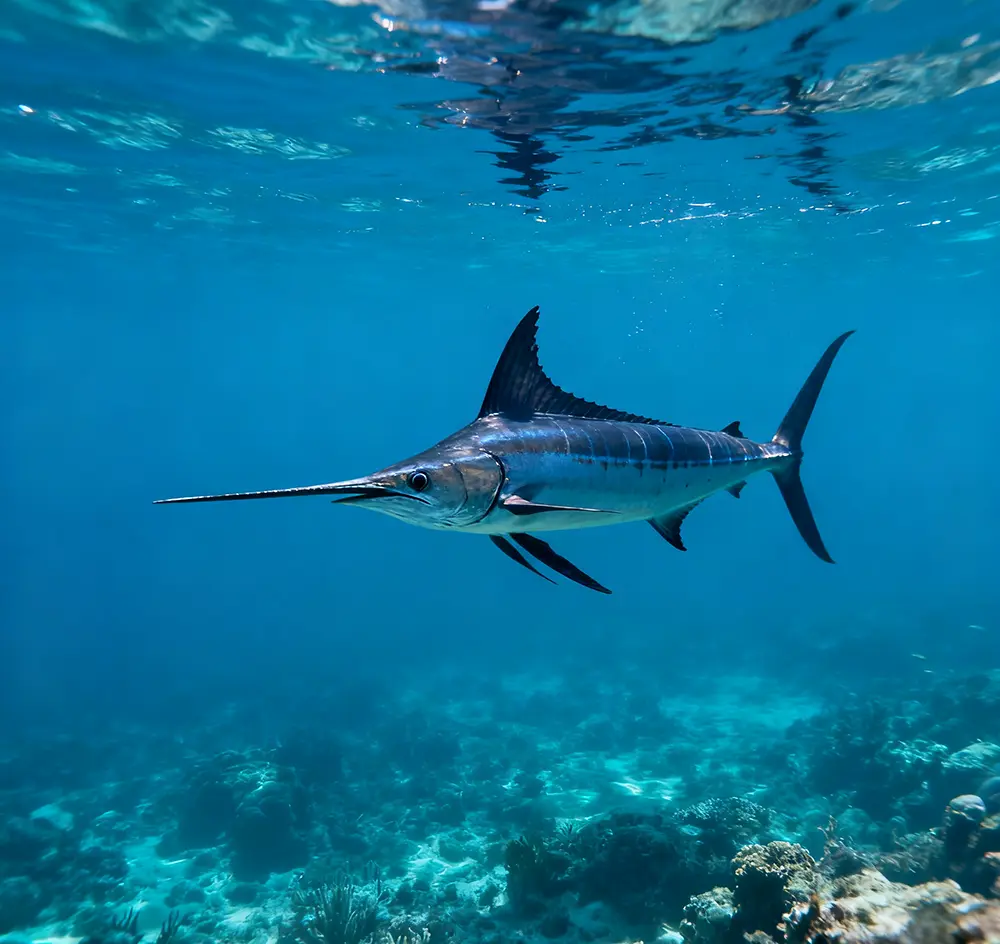 Swordfish: The Silver Blade of the Ocean
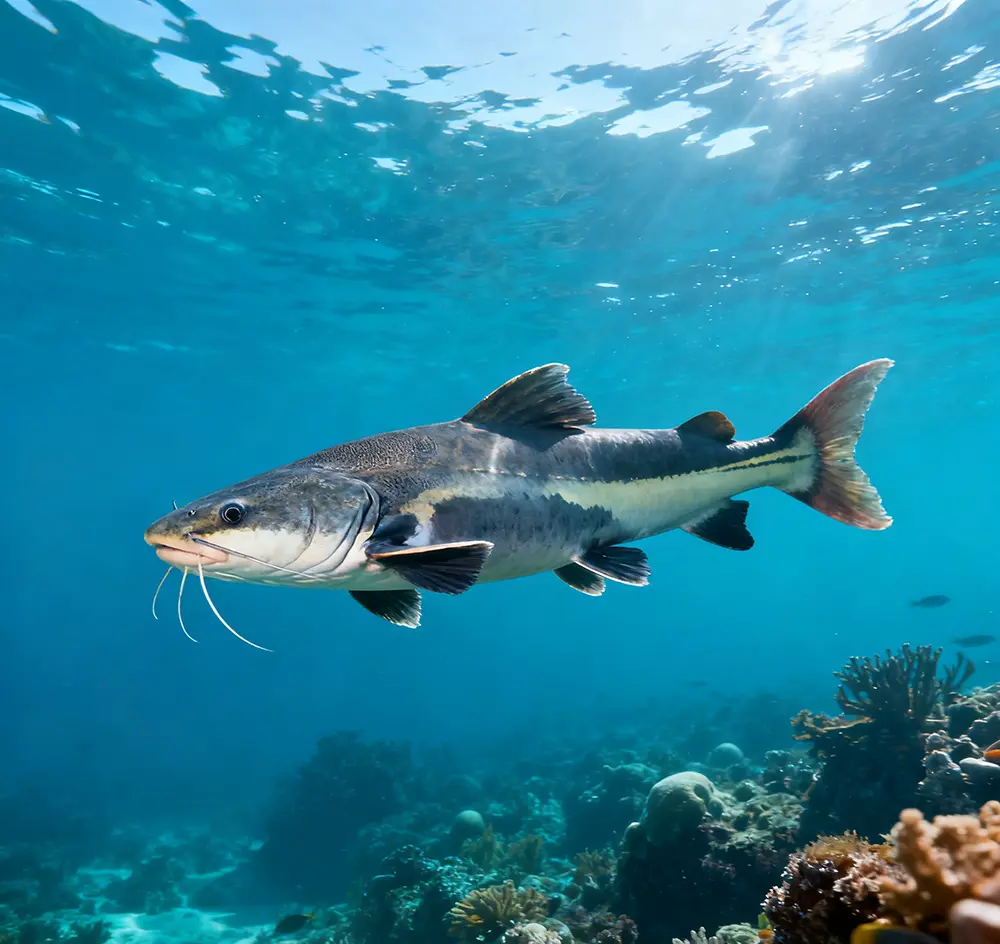 Hardhead Catfish Decoded: Morphology, Habits, Edible Value, Varieties, and Timing
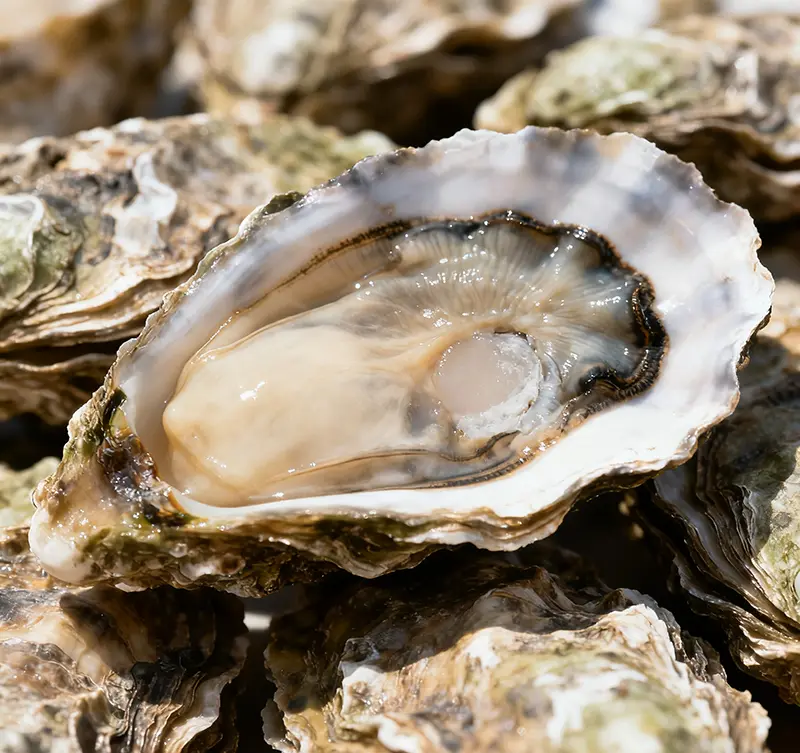 Oysters: Living Filters of the Ocean
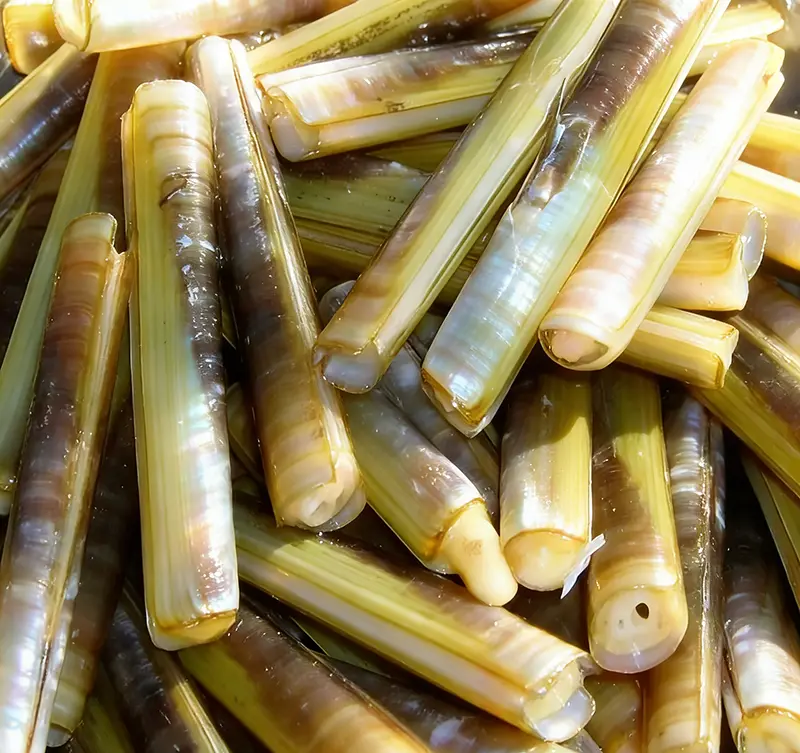 On the Bamboo Clam: Morphology, Burrowing Habits, Edible Value, Species Diversity, and Seasonal Occu
 Comprehensive Study of the Giant Tiger Prawn (Penaeus monodon) in Indonesian Waters
Comprehensive Study of the Giant Tiger Prawn (Penaeus monodon) in Indonesian Waters
Oysters: Living Filters of the Ocean
Oysters: Living Filters of the Ocean
 A Comprehensive Analysis of the Indonesian White Prawn (Penaeus merguiensis)
A Comprehensive Analysis of the Indonesian White Prawn (Penaeus merguiensis)
4The Black Clam: An Ecological Guardian of Freshwater Environments
5Rapana venosa in a Changing Marine Environment
6Turbo cornutus: A Multifaceted Investigation
7The White Clam Breakdown – Morphology → Habits → Edibility → Varieties → Season
8What’s Hard Clam? Shape, Flavor, Types, and the Right Time to Eat
9From Beach to Bowl: Understanding the Sand Clam
10On the Bamboo Clam: Morphology, Burrowing Habits, Edible Value, Species Diversity, and Seasonal Occu