Current location:首页 > Shellfish > Scallop Essentials: Shell Form, Living Behavior, Taste, Types, and Peak Seasons
Scallops (scientific name: Pectinidae; Chinese English name: 扇贝、海扇、干贝蛤), also known as sea fans or dried scallops, are widely distributed in shallow to deep waters across the world’s oceans and are a bivalve mollusk of significant economic value.
The scallop shell is fan-shaped or circular, with slightly asymmetrical sides. The shell length of adult individuals typically ranges from 5 to 15 centimeters, with the largest recorded specimen reaching 22 centimeters. Ear-like projections are present at the front and rear of the shell apex, with the anterior ear being larger than the posterior one; this is a key characteristic for distinguishing between different species. The shell surface features radial ribs, which are often adorned with scales or spines; the number of radial ribs varies by species (typically ranging from 10 to 30). Shell colors are highly variable, ranging from white and orange to purple, and often feature spots or patterns. Compared to oysters, scallop shells are thinner and lighter, with weaker closing force; compared to clams, scallops have more prominent radial ribs and a more regular shell shape.
The soft parts of a scallop primarily include: the adductor muscle (the largest edible part), the mantle, the gills, the digestive system, and the gonads. The adductor muscle is particularly well-developed, accounting for 20–30% of body weight; it consists of striated and smooth muscle, enabling the scallop to open and close its shell rapidly. The edge of the mantle features dozens of blue eyespots, each equipped with a complete lens, retina, and pigment layer, enabling the scallop to detect changes in light and moving objects. The digestive system includes the mouth, stomach, intestine, and digestive glands, while the gills are used not only for respiration but also for filter-feeding. Compared to mussels, scallops have a more developed nervous system and are more sensitive to external stimuli.
Scallops possess a unique means of locomotion: by rapidly closing their shells to expel a jet of water, they propel their bodies forward at speeds of up to 1 meter per second. This escape response helps them evade predators such as starfish. Tentacles along the edge of the mantle detect changes in water quality and danger signals. Unlike oysters, which are sessile, scallops can actively change their location; compared to clams, which are also mobile, scallops move more flexibly and cover greater distances.
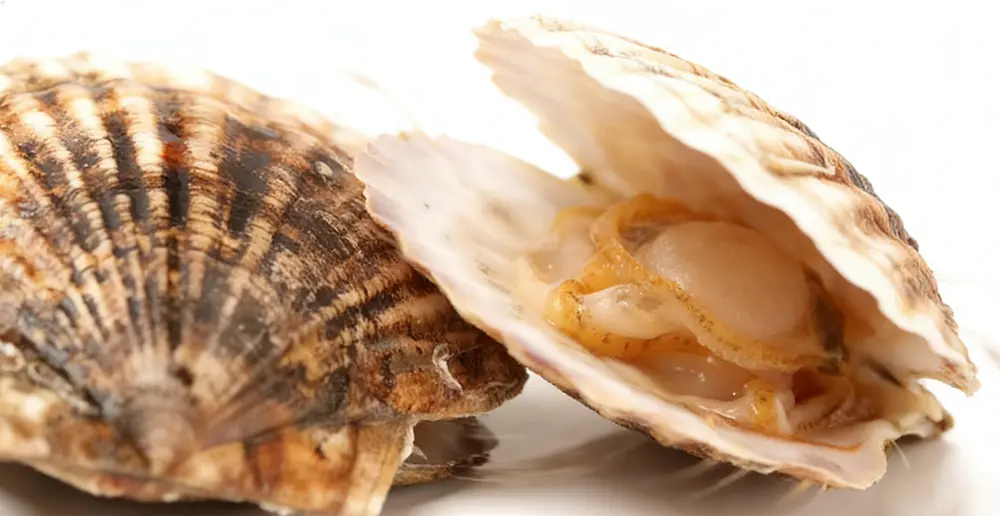
Scallops are widely distributed in temperate and cold-water seas worldwide, ranging from the intertidal zone to depths of 3,000 meters, but they are primarily concentrated on sandy-muddy seabeds at depths of 10–100 meters. The optimal water temperature is 5–20°C, with a salinity requirement of 25–35‰. Most species are benthic, temporarily attaching themselves to the substrate using byssal threads, but they can detach and move at any time. Unlike abalone, which prefer rocky reef environments, scallops favor sandy-muddy substrates; the moon scallop, which resembles the scallop in appearance, is more commonly found in deeper waters.
Scallops are filter-feeding animals that primarily use the movement of their gill cilia to filter plankton (diatoms, dinoflagellates, copepods, etc.) and organic debris from the water. They can filter 20–30 liters of seawater daily, and their feeding rate is greatly influenced by water temperature and prey concentration. Unlike oysters, which filter-feed passively, scallops can actively choose their feeding locations; compared to clams, scallops are more selective regarding phytoplankton and prefer food particles of specific sizes.
Most scallops are dioecious, while a few species are hermaphroditic. The breeding season generally occurs in spring when water temperatures rise, with fertilization taking place through the release of sperm and eggs into the seawater. A single adult scallop can produce millions of eggs at a time; fertilized eggs undergo the trochid and panula larval stages before settling and metamorphosing after approximately 3–4 weeks. Growth rates vary by species and water temperature, with sexual maturity typically reached in 2–3 years and a lifespan of 5–8 years. Compared to scallops, scallops have a longer larval stage and a wider dispersal range; compared to oysters, scallops have a higher reproductive success rate, but a higher juvenile mortality rate.
Scallop adductor muscles (scallop meat) contain as much as 60–70% protein and less than 2% fat, making them a classic high-protein, low-fat food. They are rich in amino acids such as taurine (800–1,200 mg per 100 g) and glycine, which help promote metabolism and protect cardiovascular health. In terms of minerals, zinc and selenium stand out: zinc content is three times that of beef, and selenium content meets over 70% of the daily requirement. Compared to abalone, scallops have lower cholesterol levels; compared to sea cucumber, scallop protein is more easily absorbed by the human body.
Scallops have tender meat and a fresh, sweet flavor, making them suitable for a variety of cooking methods. Fresh scallops are best prepared quickly: in Western cuisine, they are often pan-seared or grilled (to achieve a caramelized exterior while keeping the interior translucent), while in Chinese cuisine, they are typically steamed plain or with minced garlic. Dried scallops (dried scallop meat) require rehydration beforehand and are ideal for soups, congee, or as a seasoning. In Japanese cuisine, raw scallops are often served with lemon juice or light soy sauce. Compared to abalone, scallops have a softer and more tender texture; compared to geoduck, scallops have a more pronounced sweetness but lack the same crispness. Note that overheating can cause the meat to become hard and chewy; the optimal internal temperature should be maintained between 50–60°C.
When consuming scallops, please note the following: First, they may carry pathogenic bacteria such as Vibrio parahaemolyticus; when eaten raw, ensure freshness and that they have undergone freezing treatment (at -20°C or below for 24 hours). Second, they may accumulate shellfish toxins (such as paralytic shellfish poison); consumption should be avoided during red tide events. Third, some individuals may be allergic to shellfish. Harvesting wild scallops is prohibited in certain protected areas (such as some marine nature reserves); consumers should choose products from legal sources.
Common commercial species worldwide include: Gulf scallop (Argopecten irradians, shell length 5–8 cm, 16–18 radial ribs) , the Yesso scallop (Mizuhopecten yessoensis, shell length 10–15 cm, purplish-brown shell surface), and the Atlantic deep-water scallop (Placopecten magellanicus, shell length 15–20 cm, thick and hard shell). Along China’s coast, the primary species farmed is the comb scallop (Chlamys farreri, with approximately 20 radial ribs and variable shell coloration). Distinguishing features based on appearance: Gulf scallops have a rounder shell shape with smooth radial ribs; Ezo scallops have large, thick shells with deep inter-rib grooves; and comb scallops have a front lobe that is noticeably larger than the rear lobe.
Common species often confused in the market include: sea scallops (other species of the Pectinidae family), moon clams (Amusium spp.), and certain clam species. Key identification points: True scallops have a rounder shell shape with distinct radial ribs; moon clams have an extremely flat, circular shell with a smooth surface; scallops of the Pectinidae family typically have thinner shells with finer, denser radial ribs. There is a significant price difference: Hokkaido scallop adductor muscles can cost 300–400 yuan per kilogram, while certain substitutes are only 100–200 yuan. In processed products, genuine scallop adductor muscles have distinct muscle fibers and produce minimal exudate after thawing; counterfeit products are often made by splicing together other shellfish and tend to fall apart after cooking.
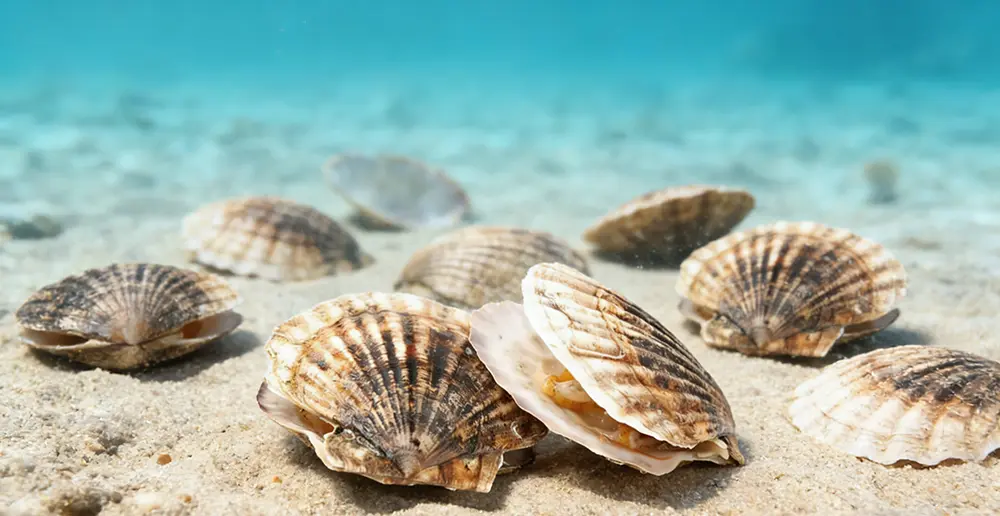
The harvesting season for wild scallops varies by region: In the North Atlantic, the main fishing season is from September to April (avoiding the spawning period); in Japanese waters, quality is best during winter (November to February); along China’s coast, harvesting typically occurs in spring and autumn. Farmed scallops are available year-round, but the optimal time to eat them is still in winter, when the meat is at its most succulent and glycogen levels are highest. Compared to seafood like crabs, which have distinct peak and off-peak seasons, scallop quality fluctuates less. However, scallops during the breeding season (spring) have a poorer flavor and softer texture.
Scallops spoil very easily and must be processed immediately after harvest: live scallops should be transported at a temperature of 5–8°C; shucked scallop meat must be flash-frozen (-40°C). Traditional preservation methods include salting, drying (to make dried scallops), and smoking. Modern preservation techniques, such as modified atmosphere packaging (MAP), can extend the shelf life of fresh scallops to 7–10 days. When purchasing, consumers should note the following: Fresh, live scallops respond quickly to touch by closing their shells; fresh scallop meat is milky white and translucent with a natural luster; frozen products should be well-packaged with no excessive ice crystals. Recommended home storage: Fresh scallops can be stored at 0–2°C for 2 days; frozen scallops can be stored at –18°C for 6 months.
Scallops play a vital role in marine ecosystems: as filter feeders, they help purify water quality; they provide food for benthic fish; and their empty shells serve as habitats for other organisms. Due to overfishing, populations of many wild species have declined; for example, yields in some North American scallop fisheries are now only 20% of their historical peak. Conservation measures include establishing closed seasons, setting minimum catch sizes, creating marine protected areas, and conducting restocking programs. MSC certification promotes sustainable development, and scallop fisheries in Canada and other regions have already obtained certification.
Scallop aquaculture primarily employs methods such as raft-based suspension culture and bottom seeding. China is the world’s largest scallop producer, with an annual output exceeding 1.5 million tons, primarily from coastal areas in Shandong and Liaoning. Technical challenges include seedling propagation (low larval survival rates), disease control (particularly summer mortality syndrome), and quality control. In recent years, Integrated Multi-Trophic Aquaculture (IMTA) has been developed, combining scallops with kelp and fish to enhance ecological benefits. Compared to oyster farming, scallop farming requires more flowing water; compared to abalone farming, scallops have a shorter growth cycle and offer a faster return on investment.
Scallops hold a special place in human culture: in Christian art, they symbolize baptism and rebirth; in Japanese culture, they represent good fortune; and in ancient China, dried scallops were listed as one of the “Eight Delicacies of the Sea.” The global scallop industry has an annual output value exceeding $5 billion, with major consumer markets in Europe, the Americas, and Asia. Processed products include frozen scallop adductor muscles, dried scallops, canned goods, and extracts (such as seasonings). Compared to high-end seafood like abalone and sea cucumbers, scallops are more affordable and appeal to a broader consumer base.
As an important species in the marine economy, scallops’ unique biological characteristics and economic value warrant in-depth exploration.
From a morphological perspective, the scallop’s radially symmetrical shell structure and well-developed adductor muscle are its most distinctive features, while its visual system—comprising dozens of blue eyespots—is unique among bivalves. In terms of ecological habits, scallops can both settle in one place and move actively; this dual lifestyle grants them a special status within benthic ecosystems. In terms of culinary value, the high-protein, low-fat adductor muscle is rich in various essential amino acids and trace elements; however, attention must be paid to food safety and the legitimacy of the source. The species exhibit rich diversity, ranging from small bay scallops in warm waters to large Pacific scallops in cold waters, each with its own distinct characteristics.
Regarding seasonality, although advances in aquaculture technology have made scallops available year-round, wild populations still exhibit distinct seasonal variations in quality. Resource conservation is becoming increasingly important, as overfishing and environmental pollution have already threatened certain wild populations. Advances in aquaculture technology offer new opportunities for industry development, but disease prevention and control, as well as quality improvement, remain challenges. Culturally, scallops hold special symbolic significance in both Eastern and Western cultures, and their economic value continues to grow in the global seafood market.
In the future, a balance must be struck between sustainable resource utilization, aquaculture innovation, and market development to ensure the long-term sustainability of this precious marine resource.
Morphological data: FAO Species Identification Guide for Fishery Purposes
Ecological habits: Multiple studies in the Journal of Experimental Marine Biology and Ecology
Nutritional Information: USDA National Nutrient Database for Standard Reference
Aquaculture Techniques: Relevant studies from the journal Aquaculture, 2015–2023
Resource Status: Annual fisheries assessment reports from ICES and NOAA
Economic Data: FAO Yearbook of Fisheries Statistics
From Beach to Bowl: Understanding the Sand Clam
Home Back to ColumnWhat’s Hard Clam? Shape, Flavor, Types, and the Right Time to Eat
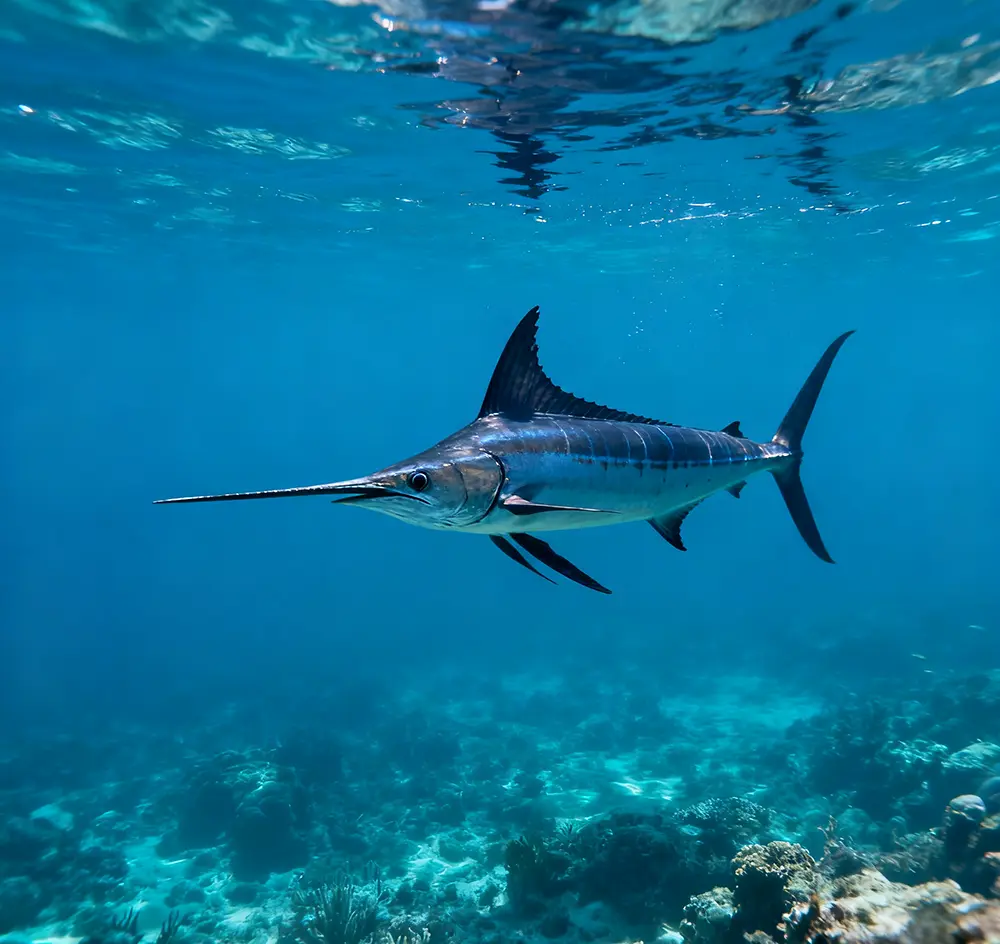 Swordfish: The Silver Blade of the Ocean
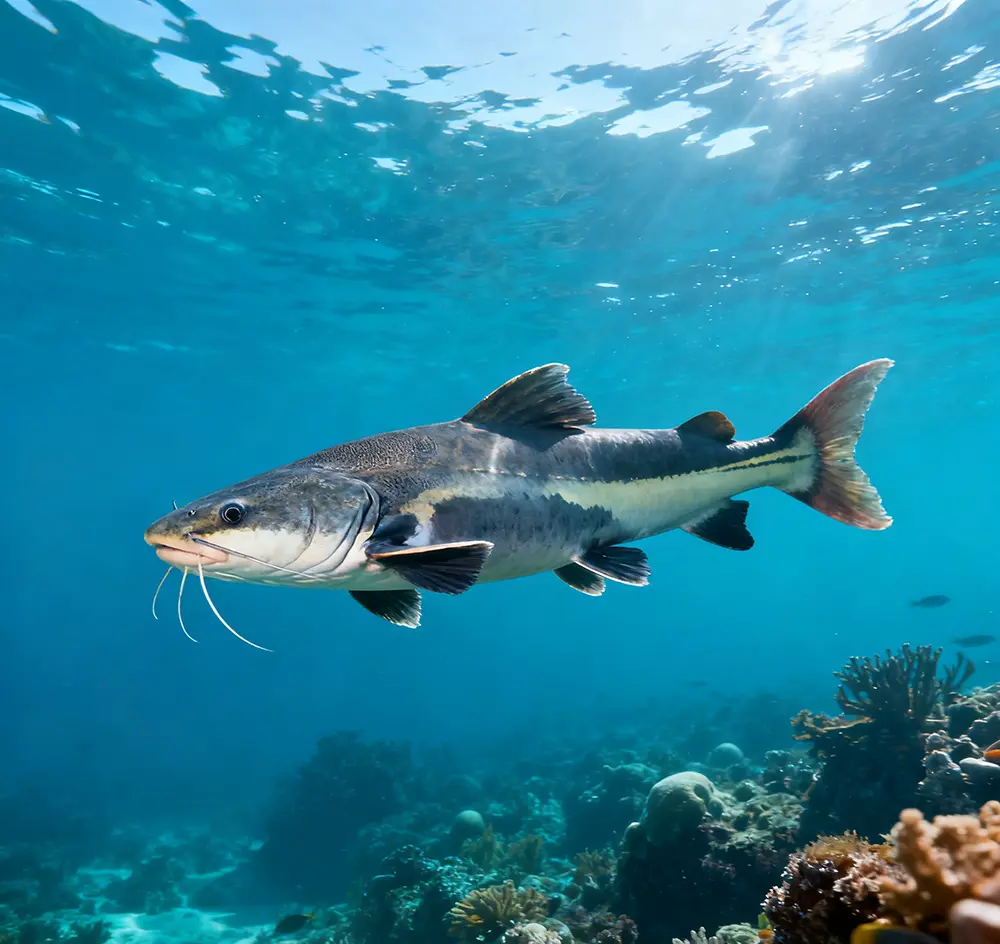 Hardhead Catfish Decoded: Morphology, Habits, Edible Value, Varieties, and Timing
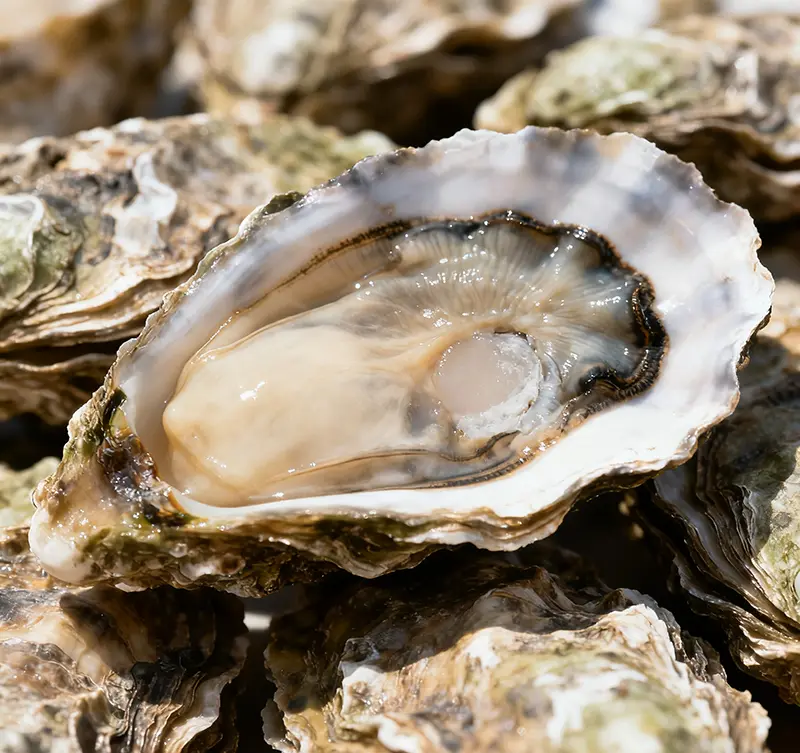 Oysters: Living Filters of the Ocean
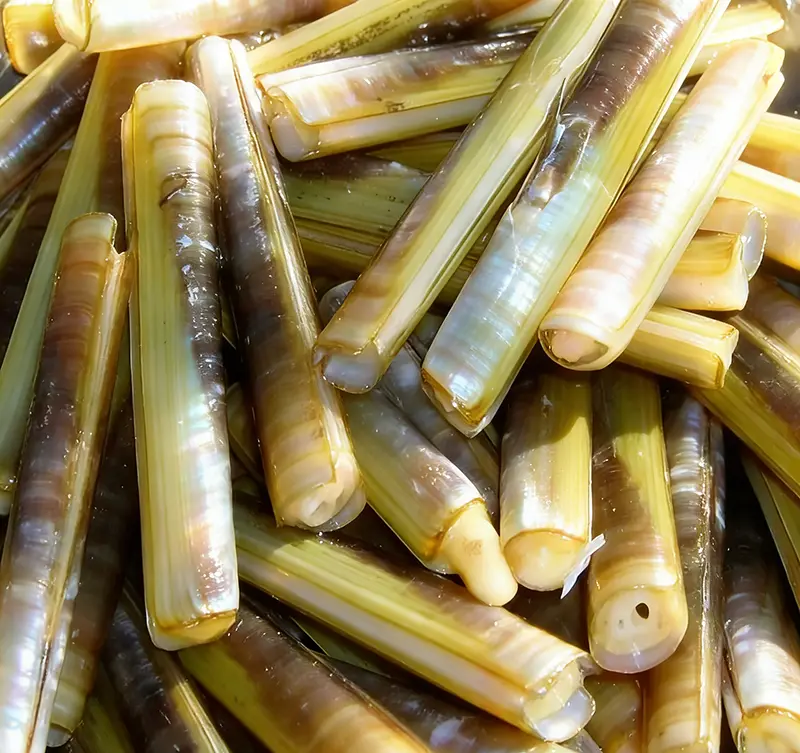 On the Bamboo Clam: Morphology, Burrowing Habits, Edible Value, Species Diversity, and Seasonal Occu
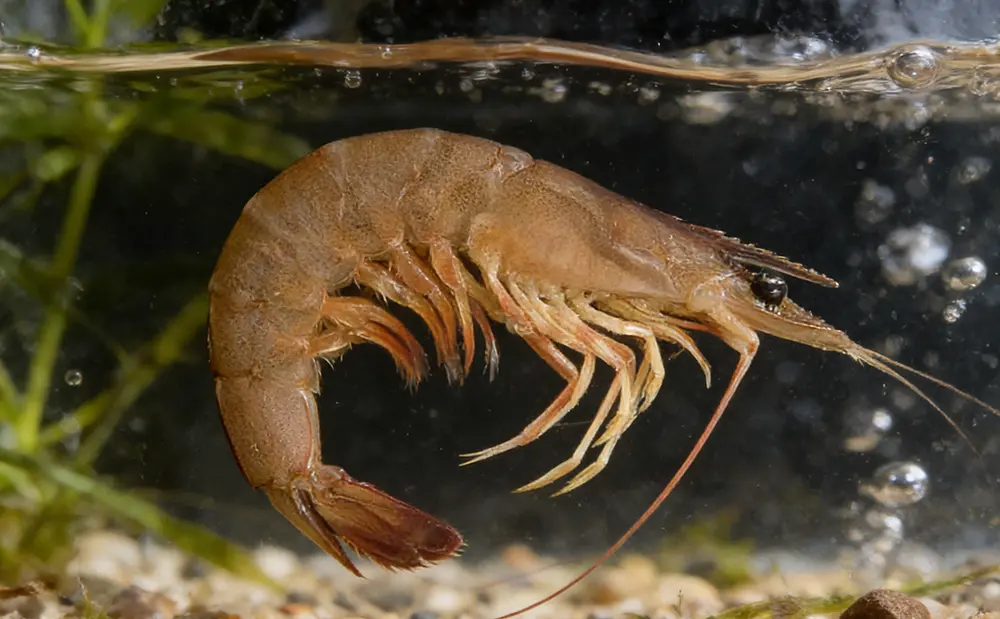 Comprehensive Study of the Giant Tiger Prawn (Penaeus monodon) in Indonesian Waters
Comprehensive Study of the Giant Tiger Prawn (Penaeus monodon) in Indonesian Waters
Oysters: Living Filters of the Ocean
Oysters: Living Filters of the Ocean
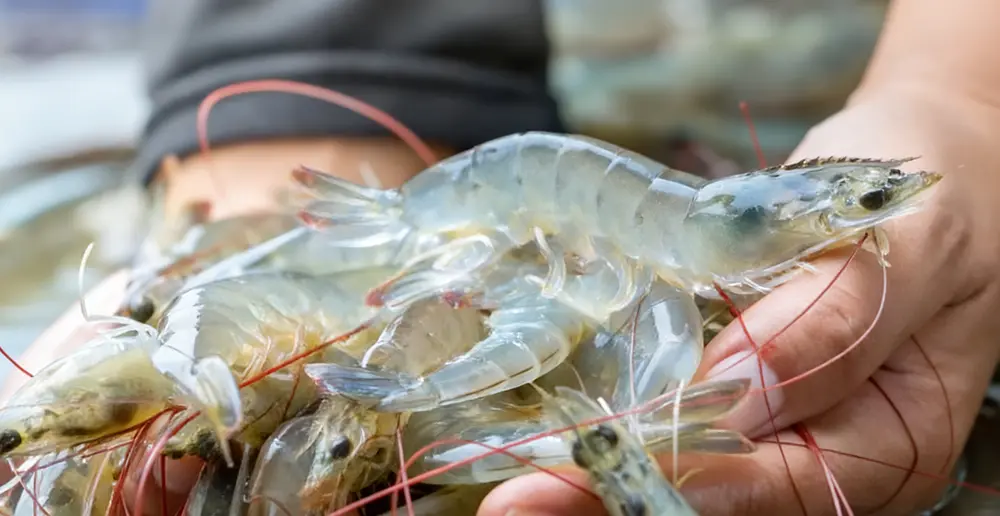 A Comprehensive Analysis of the Indonesian White Prawn (Penaeus merguiensis)
A Comprehensive Analysis of the Indonesian White Prawn (Penaeus merguiensis)
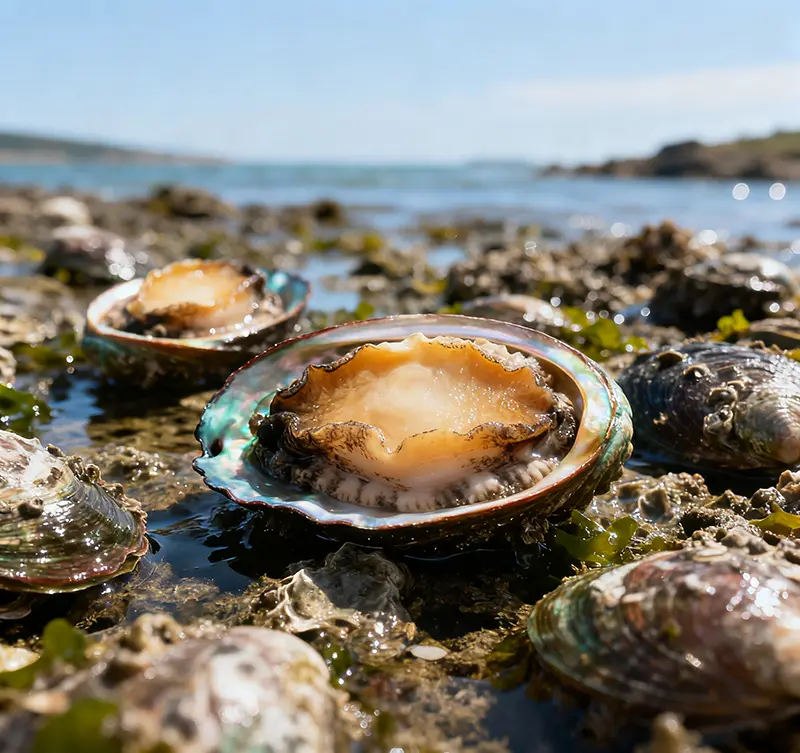
4The Black Clam: An Ecological Guardian of Freshwater Environments
5Rapana venosa in a Changing Marine Environment
6Turbo cornutus: A Multifaceted Investigation
7The White Clam Breakdown – Morphology → Habits → Edibility → Varieties → Season
8What’s Hard Clam? Shape, Flavor, Types, and the Right Time to Eat
9From Beach to Bowl: Understanding the Sand Clam
10On the Bamboo Clam: Morphology, Burrowing Habits, Edible Value, Species Diversity, and Seasonal Occu