Current location:首页 > Shrimp > A Comprehensive Analysis of the Indonesian White Prawn (Penaeus merguiensis)
The Indonesian White Prawn (Penaeus merguiensis), also known as the Banana Prawn, is an important economic shrimp species primarily distributed in the tropical waters from the Indonesian archipelago to northern Australia. It is commonly found in coastal waters off Sumatra, Java, and Sulawesi, inhabiting environments ranging from estuarine mangrove areas to continental shelf waters at depths of up to 60 meters.
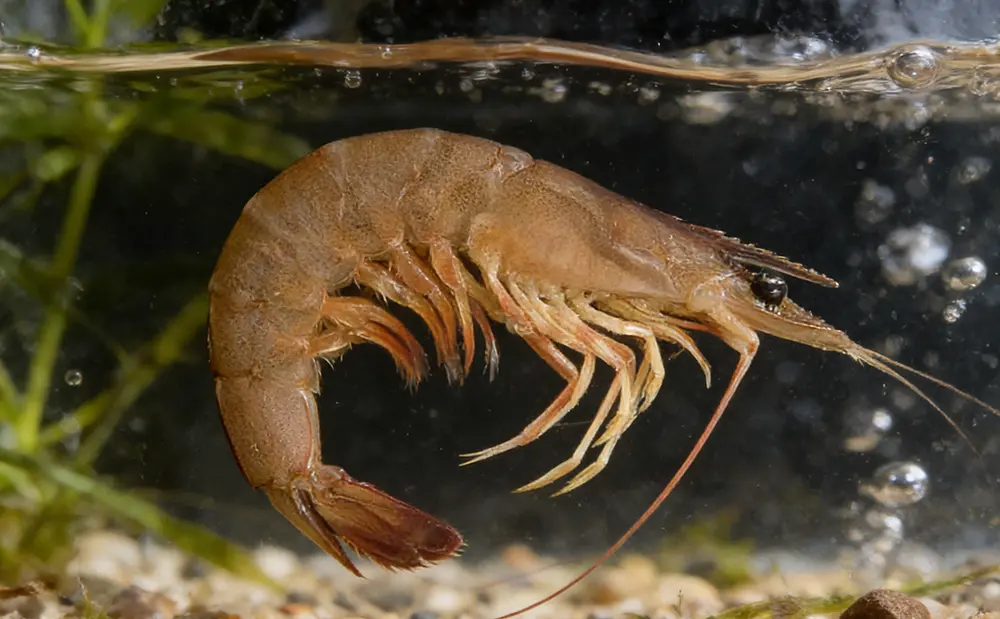
The Indonesian White Prawn exhibits typical morphological characteristics of tropical shrimp, with its most distinctive features being a milky white, translucent body color and an elegant, streamlined body shape. Adult individuals typically measure 18–25 cm in length and weigh approximately 25–40 g. Their bodies range in color from translucent milky white to pale bluish-green, with a thin, smooth exoskeleton featuring fine transverse striations. The rostrum is slender and pointed, with 7–9 sharp teeth along the upper margin and 3–4 blunt teeth along the lower margin; the rostrum is approximately 1.2 times the length of the cephalothorax. The abdomen is muscular and distinctly segmented, with the second and third abdominal segments being particularly thick. The tail fan is broad, with dense setae along its margins. There are five pairs of walking legs, which are slender and agile; the first three pairs possess pincer-like structures, while the last two pairs are claw-like. There are five pairs of swimming legs, with dense, feathery setae along their margins, making them well‑suited for activity in coastal waters. The eyes are large and dark brown, providing a wide field of vision. Compared to the giant tiger prawn, the Indonesian White Prawn has a more slender body, a lighter coloration, and a more elongated rostrum; these morphological characteristics are highly adapted to its lifestyle in tropical coastal environments. Scanning electron microscopy reveals a unique nanoscale textural structure on the surface of its exoskeleton, which effectively reduces swimming resistance. Additionally, pigment cells are sparsely distributed across the body surface, forming the basis for its translucent coloration. The muscle fibers are neatly arranged, with myomeres measuring 1.2–1.8 mm in length and diameters ranging from 50 to 70 micrometers. This structure gives the meat a unique elasticity and delicate texture.
The internal structure of the Indonesian White Prawn demonstrates special adaptations to tropical coastal environments. The digestive system is highly efficient and sophisticated. The mouthparts consist of three pairs of robust maxillipeds and one pair of mandibles, with the mandibles featuring grinding teeth. The stomach is divided into the cardiac stomach and pyloric stomach, containing complex calcareous tooth plates and a filtration system; the cardiac stomach contains 11 calcareous teeth. The midgut gland is well‑developed, occupying a significant portion of the cephalothorax, and stores lipids and glycogen to adapt to an unstable food supply. The circulatory system is open, with a long, tubular heart that pumps hemolymph through multiple pairs of ostia. Hemocyanin concentration is moderate (40–50 mg/mL), providing good oxygen transport efficiency. The respiratory system includes eight pairs of feather‑like gills with densely arranged gill filaments, enabling effective extraction of dissolved oxygen from warm water. The nervous system features a well‑developed cerebral ganglion and ventral nerve cord, with highly sensitive chemoreceptors capable of detecting complex chemical signals in coastal waters. The reproductive system exhibits distinct sexual dimorphism; males possess slender copulatory organs, while the ovaries of females turn a vivid green upon maturation. Compared to temperate shrimp species, the metabolic system of the Indonesian White Prawn is better adapted to high‑temperature environments, with a broader range of enzyme activity (optimum temperature 25–30°C) and a faster growth rate. Although the mitochondrial density in cardiac muscle cells is relatively low, metabolic activity is high, which is consistent with its rapid growth characteristics.
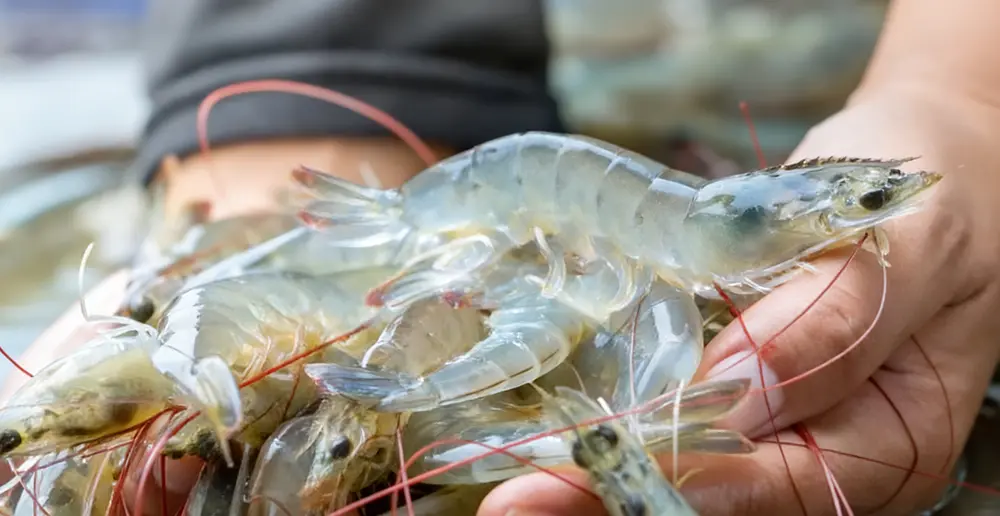
The Indonesian White Prawn is a typical tropical coastal species, with its distribution primarily concentrated in the tropical waters stretching from the Indonesian archipelago to northern Australia. Core distribution areas include the waters off the east coast of Sumatra, the Java Sea, the Flores Sea, and the Arafura Sea. The optimal water temperature is 26–32°C, salinity ranges from 15–35‰, pH from 7.8–8.2, and it has moderate requirements for dissolved oxygen (>4 mg/L). Habitat types are diverse, ranging from estuarine mangrove areas to open continental shelf waters. Juveniles prefer nutrient‑rich estuaries and mangrove areas, subadults inhabit shallow coastal waters, while adults are found in deeper continental shelf waters. Their behavioral patterns exhibit complex tidal rhythms: they migrate to mangrove and estuarine areas to forage during high tide and retreat to deeper waters during low tide. Seasonal migration is closely linked to the monsoon cycle, with the prawns congregating in estuaries during the rainy season and dispersing into deeper waters during the dry season. Compared to the grass shrimp, the Indonesian White Prawn is more adaptable to salinity fluctuations but more sensitive to low temperatures; growth ceases when water temperatures fall below 20°C. Studies have found that its population density is highly correlated with mangrove area and nutrient input into estuaries, with the highest population densities occurring in nutrient‑rich frontal zones near river mouths.
As an important economic shrimp species, the Indonesian White Prawn possesses distinctive nutritional qualities. The edible portion accounts for approximately 60–65% of its body weight, with muscle tissue comprising 45% and the head 20%. Nutritional analysis shows a protein content of 18–20 g/100 g, with a balanced amino acid profile and an Essential Amino Acid Index (EAAI) of 0.92. In particular, lysine (1.5 g/100 g) and arginine (1.3 g/100 g) are present in high amounts. Fat content is relatively low (1.0–1.5 g/100 g), with the fatty acid profile dominated by polyunsaturated fatty acids (50–60%), including moderate levels of EPA (80 mg/100 g) and DHA (120 mg/100 g). It is rich in minerals, particularly selenium (45 μg/100 g), zinc (2.8 mg/100 g), and iodine (0.3 mg/100 g). The primary vitamins are vitamin B12 (6 μg/100 g) and vitamin E (1.2 mg/100 g). Compared to farmed shrimp, wild Indonesian White Prawns have firmer flesh and a more delicate flavor, though individual size varies considerably. In terms of culinary properties, their well‑structured muscle fibers make them suitable for a variety of cooking methods; quick cooking, in particular, helps preserve their tender texture. It is important to note that, as they may carry pathogens, it is recommended to cook them thoroughly before consumption, and individuals with certain allergies should exercise caution when eating them.
Taxonomically, the Indonesian White Prawn belongs to the family Penaeidae and the genus Penaeus, and is one of the most important economic species within this genus. It is morphologically very similar to the closely related species Penaeus merguiensis, with the two distinguished primarily by subtle differences in rostral tooth pattern and body coloration. Several local strains are also found in Indonesia, such as the Java Sea strain and the Sulawesi strain, which differ in growth rate and disease resistance. In terms of aquaculture, years of selective breeding have yielded several superior strains, including fast‑growing and highly disease‑resistant strains. Compared to the giant tiger prawn, the Indonesian White Prawn has a shorter culture cycle but requires higher water quality standards. In recent years, Indonesian aquatic research institutions have successfully developed new varieties with specific superior traits through genetic breeding techniques, providing important genetic resources for industry development.
The Indonesian White Prawn plays a vital role in tropical coastal ecosystems. As an intermediate consumer, it bridges the gap between primary producers and top predators, serving as a crucial link in the food web. In mangrove ecosystems, juvenile white prawns feed on plankton and organic detritus, while adults serve as an important food source for many economically significant fish species. Their migratory behavior facilitates the movement of nutrients between different habitats, helping to maintain the ecosystem’s material cycles. Studies have found that healthy white prawn populations can serve as an indicator of the good condition of coastal ecosystems, particularly the health of mangrove ecosystems. Compared to other coastal organisms, the Indonesian White Prawn is relatively sensitive to environmental changes, and its population dynamics can reflect shifts in the environmental quality of coastal waters.
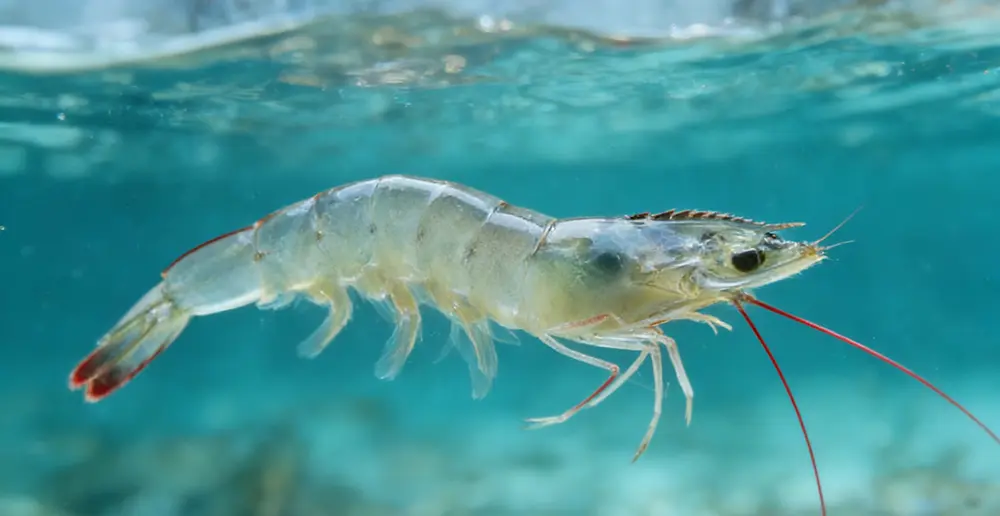
Cultivation techniques for the Indonesian White Prawn have become quite mature after decades of development. Major farming models include traditional extensive farming, semi‑intensive farming, and intensive farming systems. Ponds are typically constructed in coastal areas, utilizing tidal currents for water exchange. Stocking densities range from 50,000 to 500,000 juveniles per hectare, depending on the level of infrastructure. Regarding feed management, while natural prey was the primary source in the early stages, commercial compound feed is now widely used, with the feed conversion ratio (FCR) maintained between 1.5 and 1.8. Water quality management is a critical component, requiring regular monitoring of parameters such as dissolved oxygen, pH, and ammonia‑nitrogen, and maintaining a suitable aquatic environment through aerators and water exchange. Disease control follows a prevention‑first approach, reducing disease incidence through measures such as seedstock quarantine, water quality management, and the use of probiotics. Compared to other shrimp farming systems, Indonesian White Prawn farming places greater emphasis on environmental sustainability to avoid negative impacts on coastal ecosystems.
The Indonesian White Prawn industry is one of the country’s key economic pillars. According to the latest statistics, Indonesia is one of the world’s leading white prawn producers, with an annual output exceeding 400,000 metric tons, of which approximately 60% comes from aquaculture and 40% from marine capture. Aquaculture production areas are primarily distributed along the coasts of islands such as Sumatra, Java, and Kalimantan, forming a complete industrial chain. Export markets include developed countries such as Japan, the United States, and the European Union, with frozen headless prawns and prawn meat being the main export products. The industry has created a large number of job opportunities in coastal regions, particularly in rural areas, and plays a significant role in improving the livelihoods of fishing communities. However, the industry also faces challenges, including disease control, environmental sustainability, and market volatility, which require joint efforts from the government, businesses, and farmers to resolve.
As a key species in tropical coastal ecosystems, the Indonesian White Prawn holds significant economic value and ecological importance. Its biological characteristics demonstrate excellent adaptation to tropical environments, with both morphological features and behavioral habits reflecting a harmonious integration with the environment.
In terms of nutritional value and culinary quality, the white prawn is a high‑quality source of protein and is highly favored by consumers. The development of the aquaculture industry has not only met market demand but also promoted local economic growth. However, sustainable management still faces challenges, requiring a balance between resource utilization and conservation. In the future, scientific research should be strengthened, farming techniques improved, and management systems refined to ensure the sustainable use of this vital resource. At the same time, protecting coastal ecosystems—particularly mangrove ecosystems—is crucial for maintaining the healthy development of white prawn populations. Through multi‑stakeholder collaboration, Indonesia’s white prawn industry is poised to achieve more sustainable development and continue providing high‑quality marine food for humanity.
References:
FAO Species Identification Guide (2023). Marine Prawns of the Indo-Pacific Region
Indonesian Journal of Marine Sciences (2023). Vol. 45(2): Biology and ecology of Penaeus merguiensis
Aquaculture Research (2022). Vol. 53(8): Culture techniques for banana prawns
Marine Policy (2023). Vol. 147: Sustainable management of shrimp fisheries in Indonesia
Journal of Food Composition and Analysis (2022). Vol. 115: Nutritional value of tropical shrimps
Fisheries Research (2023). Vol. 257: Stock assessment of Indonesian shrimp populations
Asian Fisheries Science (2022). Vol. 35(3): Genetic improvement of farmed shrimp
Ocean & Coastal Management (2023). Vol. 232: Ecosystem approach to shrimp farming
Journal of Crustacean Biology (2022). Vol. 42(10): Comparative morphology of penaeid shrimps
Environmental Management (2023). Vol. 71(4): Impacts of shrimp aquaculture on coastal ecosystems
Comprehensive Study of the Giant Tiger Prawn (Penaeus monodon) in Indonesian Waters
Home Back to Column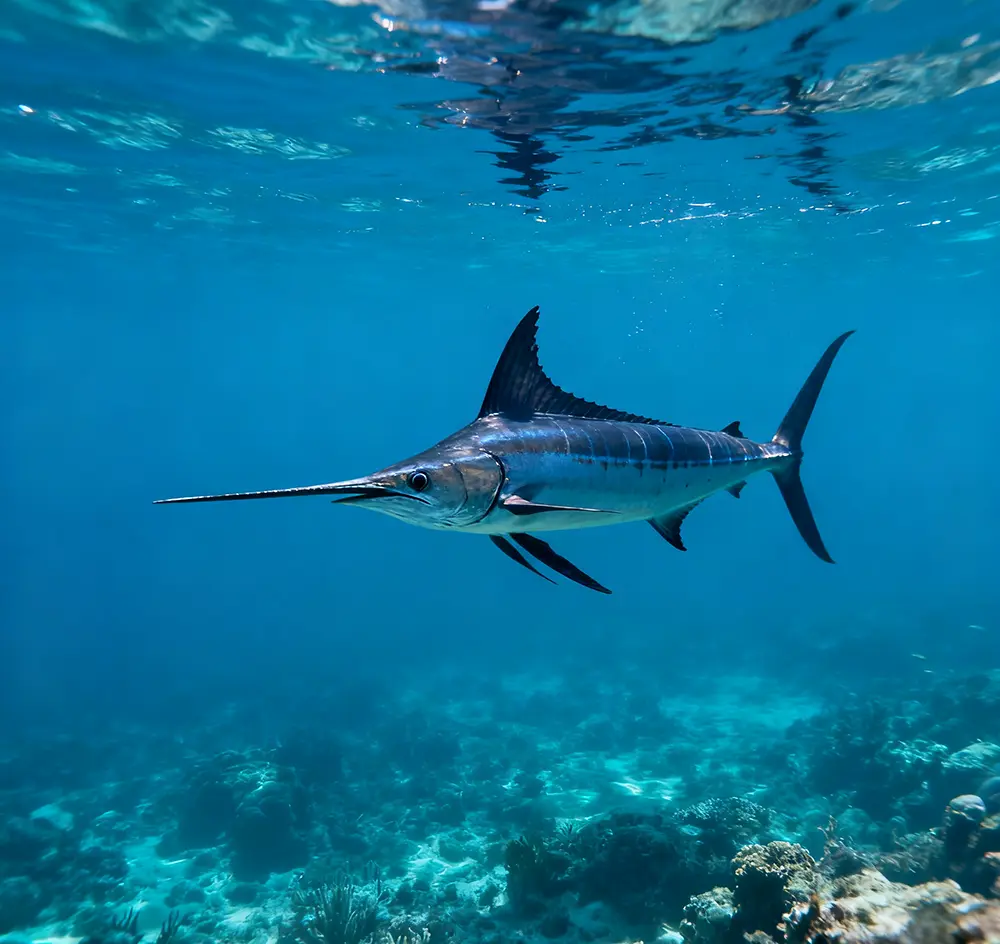 Swordfish: The Silver Blade of the Ocean
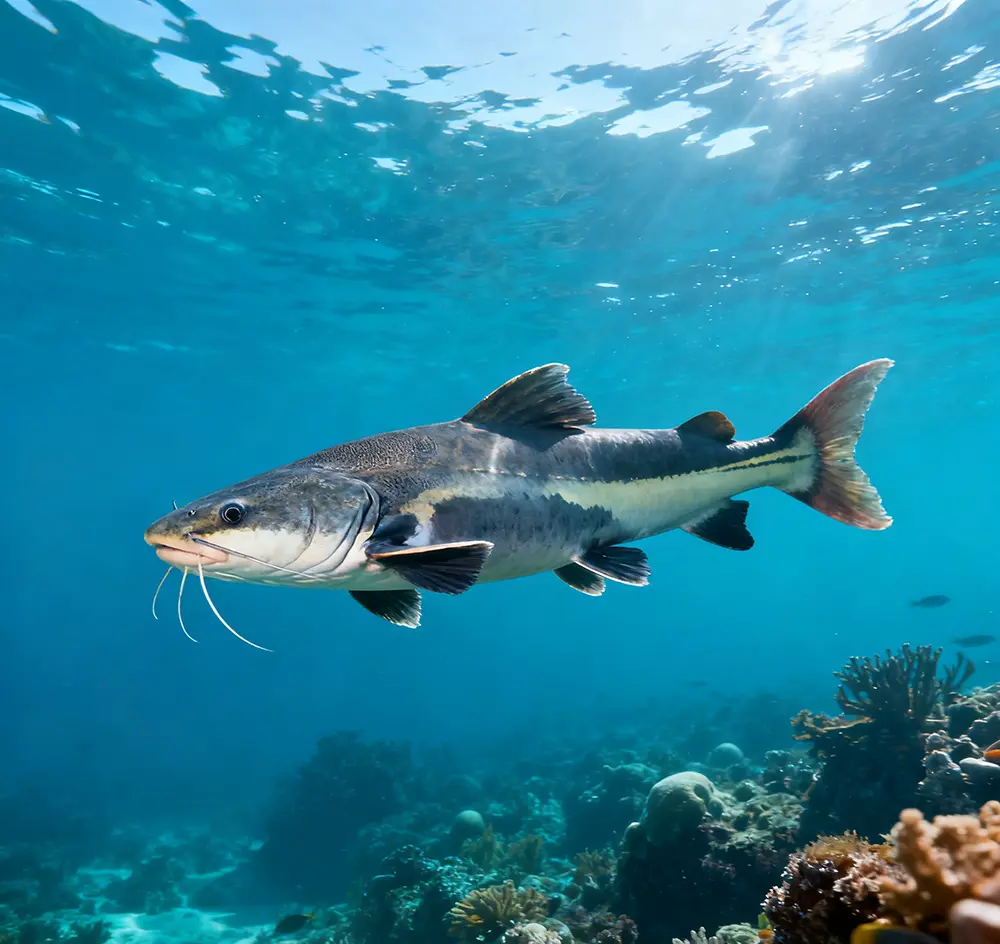 Hardhead Catfish Decoded: Morphology, Habits, Edible Value, Varieties, and Timing
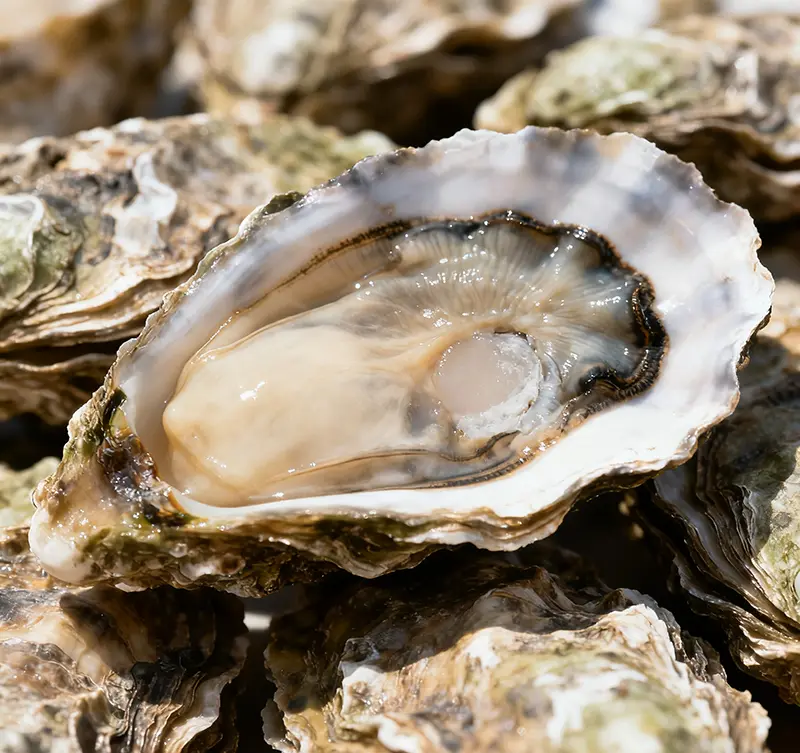 Oysters: Living Filters of the Ocean
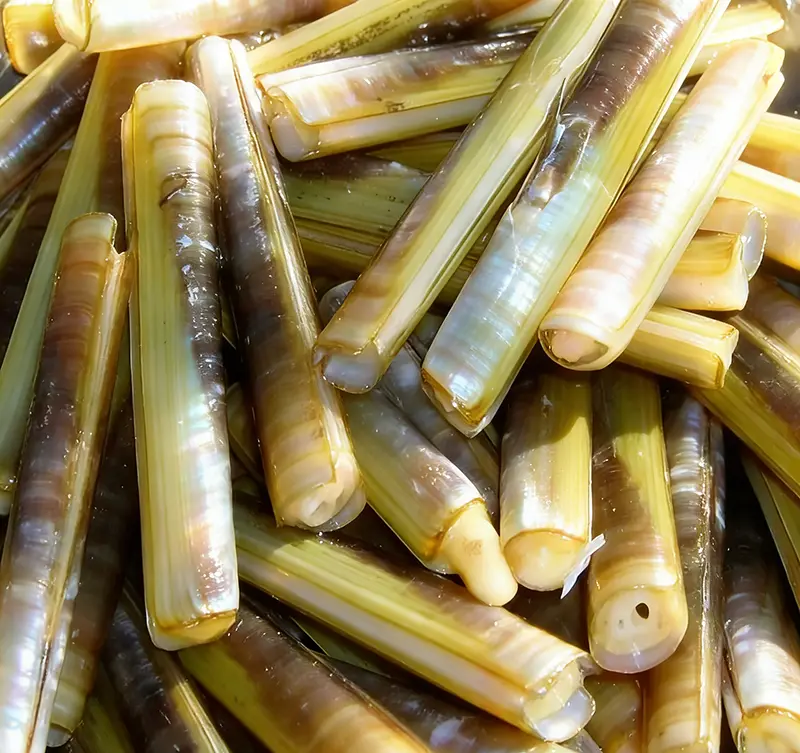 On the Bamboo Clam: Morphology, Burrowing Habits, Edible Value, Species Diversity, and Seasonal Occu
 Comprehensive Study of the Giant Tiger Prawn (Penaeus monodon) in Indonesian Waters
Comprehensive Study of the Giant Tiger Prawn (Penaeus monodon) in Indonesian Waters
Oysters: Living Filters of the Ocean
Oysters: Living Filters of the Ocean
A Comprehensive Analysis of the Indonesian White Prawn (Penaeus merguiensis)
A Comprehensive Analysis of the Indonesian White Prawn (Penaeus merguiensis)