Current location:首页 > Shrimp > Comprehensive Study of the Giant Tiger Prawn (Penaeus monodon) in Indonesian Waters
The Giant Tiger Prawn (scientific name: Penaeus monodon; also known as tiger prawn, grass shrimp, or knife‑head shrimp) is widely distributed in both shallow and deep waters around the islands of Sumatra, Java, and Sulawesi, and represents one of the world’s most important tropical shrimp resources.
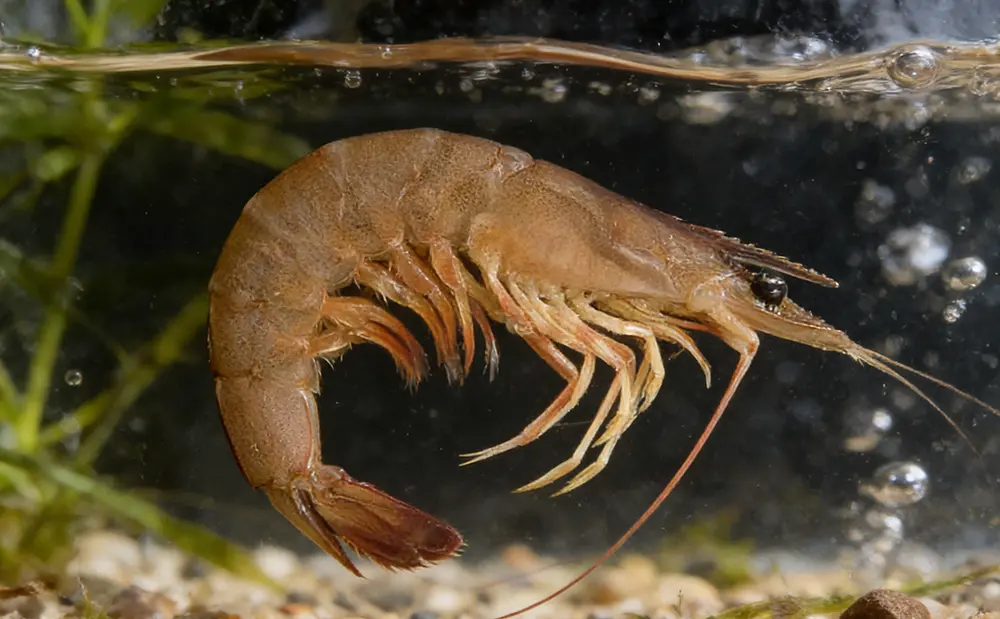
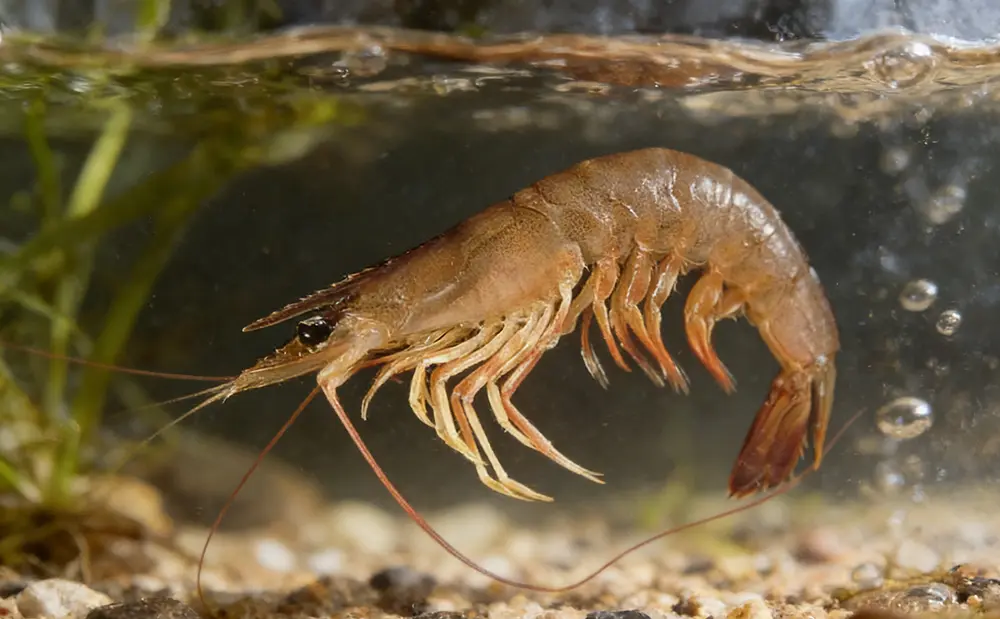
The Giant Tiger Prawn has a large and robust body; adult individuals typically measure 20–30 cm in length, with the largest recorded specimen reaching 33 cm. Its most distinctive feature is the bright black‑and‑white ringed pattern on its dark brown to bluish‑gray carapace; these markings are particularly clear on the abdomen, forming a unique tiger‑striped pattern. The rostrum is robust and sharp, measuring approximately 1.2–1.5 times the length of the cephalothorax. Its upper margin has 7–8 coarse serrations, while the lower margin has 2–4 fine serrations; the base of the rostrum curves distinctly downward. The second antennae bear bluish‑gray flagella that can exceed twice the body length, serving both sensory and stabilizing functions during swimming.
Compared to the white shrimp, the Giant Tiger Prawn has a more robust body and a harder exoskeleton. Its walking legs are well developed, with the tips of the first three pairs forming strong pincer‑like structures; in particular, the first pair of walking legs has thick pincer fingers, suitable for capturing and tearing prey. The tail fan is broad, deep blue in color with yellow spots; this striking color contrast is an important identifying characteristic. Studies have found significant variations in body color and pattern intensity among individuals captured in different marine regions. Specimens from the west coast of Sumatra exhibit darker colors and more striking patterns, whereas populations in the Java Sea have relatively lighter body colors.
The digestive system of the Giant Tiger Prawn exhibits typical carnivorous characteristics. The stomach has a complex structure, with the foregut featuring well‑developed chitinous teeth and grinding plates capable of effectively crushing the exoskeletons of crustacean and bivalve prey. The hepatopancreas is well developed, accounting for approximately 35–40% of the body cavity volume; its color ranges from dark brown to orange‑red, reflecting varying nutritional states. During the breeding season, the hepatopancreas enlarges significantly, storing large amounts of lipids and glycogen to support reproduction.
The circulatory system demonstrates excellent adaptation to tropical aquatic environments. Hemocyanin concentration is relatively high, providing optimal oxygen‑carrying efficiency within a water temperature range of 28–32°C. The nervous system is well developed, particularly the chemical and mechanical receptors, which are extremely sensitive, enabling the prawn to forage effectively in turbid coastal waters. Compared to temperate shrimp species, the Giant Tiger Prawn has a higher metabolic rate, an adaptive trait to the higher water temperatures in its habitat that also explains its rapid growth rate.
The Giant Tiger Prawn is primarily distributed in the coastal waters of the Indonesian archipelago, inhabiting depths from 5 to 110 meters, with an optimal water temperature of 25–32°C. It shows strong adaptability to substrate types but prefers muddy or sandy‑muddy seabeds. Along the east coast of Sumatra and the coast of Kalimantan, prawn populations often congregate in mangrove areas and estuarine deltas, where abundant organic matter provides an ideal habitat for benthic organisms. During the annual rainy season (October to March), as freshwater input increases, the prawns move toward the open sea where salinity is more stable; during the dry season (April to September), they tend to stay closer to coastal waters.
Compared to the banana prawn, the Giant Tiger Prawn has greater tolerance for low salinity and can grow normally within a salinity range of 5–20‰. This characteristic allows it to fully utilize nursery grounds in mangrove areas. However, due to habitat loss caused by mangrove development, wild Giant Tiger Prawn populations are under pressure. In protected areas such as Komodo National Park and the Raja Ampat Islands, this species receives special attention, and fishing activities are strictly regulated.
The feeding habits of the Giant Tiger Prawn exhibit distinct circadian rhythms and developmental stage‑specific changes. During the juvenile stage, they primarily feed on zooplankton and small benthic organisms; as they grow, their diet gradually shifts to consist mainly of benthic invertebrates such as polychaetes, small crustaceans, and mollusks. Adult prawns have a broad diet, including amphipods, mysids, small bivalves, and fish larvae, demonstrating a strong carnivorous tendency. Their feeding activity occurs primarily at night, a behavior that may help them evade diurnal visual predators.
Research has found that the Giant Tiger Prawn employs unique foraging strategies. It uses its walking legs to dig into sediments to depths of 10–15 centimeters in search of buried prey. Unlike filter‑feeding shrimp, the Giant Tiger Prawn prefers active predation and burrowing foraging, and its feeding efficiency is closely related to water temperature. Feeding activity is most vigorous at around 28°C. In aquaculture environments, the Giant Tiger Prawn exhibits strong feed conversion efficiency but has high protein requirements, which is one reason for its relatively high farming costs.
The reproductive activity of the Giant Tiger Prawn occurs almost year‑round in tropical waters but exhibits distinct seasonal peaks in the Indonesian archipelago. In its primary distribution areas, reproductive peaks typically occur at the beginning of the rainy season (October–December) and the middle of the dry season (June–August), when water temperatures stabilize at 28–30°C and prey organisms are abundant. The age of sexual maturity varies with environmental conditions; typically, females reach sexual maturity at 5–7 months of age and a body length of 18–20 cm. Mating occurs shortly after the female molts, when her new exoskeleton has not yet hardened; the male attaches his spermatophore to the female’s thelycum.
Females carry an extremely large number of eggs; a 25‑cm‑long female can carry approximately 500,000–800,000 eggs. The eggs are small, about 0.28 mm in diameter, and are grayish‑green. Fertilized eggs are released directly into the water to hatch; hatching time is closely related to water temperature, taking approximately 12–14 hours at 29°C. This relatively short incubation period is an adaptation to tropical aquatic environments and helps improve larval survival rates. Studies have found that different geographic populations of the Giant Tiger Prawn vary in spawning timing, which may be related to differences in local rainfall patterns and seawater salinity.
The larval development of the Giant Tiger Prawn follows typical penaeid stages. Newly hatched larvae are first‑stage nauplii, measuring approximately 0.33 mm in length, and rely on yolk reserves for energy. After three molts, they enter the zoea stage, at which point they begin feeding on external food. The entire larval development period includes six naupliar stages, three zoeal stages, and three mysis stages; under optimal conditions (water temperature 30–32°C), metamorphosis is completed in 12–16 days.
Compared to temperate shrimp species, the larval development period of the Giant Tiger Prawn is significantly shorter, consistent with the higher metabolic rate characteristic of its tropical habitat. Studies have shown that larval survival rates are closely related to food density; when phytoplankton and microzooplankton are abundant, metamorphosis success rates can reach 25–35%. In later larval stages, the juveniles begin to exhibit benthic behavior, actively seeking suitable coastal habitats. In the Indonesian archipelago, many mangrove areas and estuaries serve as important nursery grounds for the Giant Tiger Prawn, and the protection of these areas is crucial for maintaining population numbers.
In addition to the Giant Tiger Prawn, several other important economic shrimp species are distributed in Indonesian waters. The banana shrimp (Fenneropenaeus merguiensis) is commonly found in shallow waters. It has a relatively slender body, a pale yellow, translucent coloration, and particularly long, slender rostrums. Compared to the Giant Tiger Prawn, the banana shrimp prefers higher salinity environments and has a more delicate meat texture.
The Indian white shrimp (Penaeus indicus) is another important commercial species, primarily found in the waters around the Lesser Sunda Islands and the Maluku Islands. This shrimp inhabits sandy seabeds, has a pinkish‑white body with brown spots, and commands a high market value. Although smaller in size, it is highly sought after for its sweet flavor.
In deeper waters, the green tiger prawn (Penaeus semisulcatus) and the greasyback shrimp (Metapenaeus ensis) are also found, primarily inhabiting waters such as the Java Sea and the Flores Sea. Due to their limited distribution, they have relatively high commercial value. It should be noted that in protected areas such as the Wakatobi National Marine Park and the Bunaken National Marine Park, shrimp fishing is strictly regulated due to the fragility of the ecosystems.
Indonesia’s shrimp fisheries operate under a tiered management system. The Ministry of Marine Affairs and Fisheries has established minimum catch sizes (15 cm for the Giant Tiger Prawn) and restricted trawl mesh sizes to reduce the capture of juveniles. In major production areas, a fishing permit system is in place, and no‑fishing zones have been established to protect important nursery grounds. Additionally, Indonesia has established a fisheries management zone system, dividing its waters into 11 management zones for differentiated control.
It is particularly important to note that all shrimp species are fully protected within national marine protected areas and certain designated waters. Shrimp populations in these areas maintain the balance of local marine ecosystems and serve as a food source for many coral reef fish and marine organisms. Commercial fishing is strictly restricted in these areas, and only traditional fishing methods that meet sustainability standards are granted permits.
Shrimp holds an important place in Indonesian culinary culture. Across the islands, the most traditional method of preparation is sambal grilled prawn, which is marinated in a special chili sauce and spices, wrapped in banana leaves, and then grilled. In Bali, shrimp is often prepared as classic shrimp satay, marinated in peanut sauce and spices before being grilled.
In fine dining, larger prawns are often peeled and pan‑seared, served with coconut milk curry or specialty sauces. The heads are used to make a rich seafood broth, which serves as the foundation for many traditional dishes. In the Sumatra region, freshly caught prawns are typically prepared in a spicy and sour soup with tamarind and lemongrass; this unique cooking method best highlights the natural sweetness of the meat.
Long‑term observational data show that the distribution of shrimp in Indonesian waters is undergoing significant changes as sea temperatures rise and ocean acidification intensifies. The temperature tolerance range of the Giant Tiger Prawn is expanding, and it is now being found in some previously colder waters. At the same time, changes in rainfall patterns have affected coastal salinity distribution, which in turn impacts reproduction and nursery success rates.
Climate model projections indicate that if current environmental trends persist, the suitable habitat for the Giant Tiger Prawn may expand into deeper waters, while it may face survival pressures in some coastal areas. These distributional shifts not only affect the structure of fishery resources but may also trigger ecosystem‑wide cascading effects. To address this challenge, Indonesian marine management agencies are studying the adaptability of shrimp to environmental changes and adjusting management strategies accordingly.
Due to significant fluctuations in wild stocks, the artificial cultivation of shrimp has been vigorously developed in Indonesia. In Java and Sumatra, large‑scale shrimp farms have been established, utilizing both traditional tambak systems and modern intensive aquaculture systems. Through genetic selection, fast‑growing and disease‑resistant strains have been obtained. During the nursery stage, a precisely controlled feeding strategy is employed, gradually transitioning from algae to artificial compound feed.
For adult shrimp farming, a multi‑stage cultivation model is primarily used, with growth environments optimized through water quality management systems. In developing its shrimp farming industry, Indonesia places particular emphasis on coordinating with mangrove conservation and promoting eco‑friendly farming models. Currently, research institutions are studying ways to reduce costs by improving farming techniques and feed efficiency, while prioritizing environmental sustainability.
Shrimp resources in Indonesian waters, particularly the Giant Tiger Prawn, are vital marine biological resources. Their biological characteristics have evolved to closely adapt to the unique marine environment of tropical archipelagos. In terms of morphological characteristics, their robust body structure, distinctive pattern markings, and well‑developed feeding organs all represent evolutionary adaptations to life in tropical coastal environments. Regarding life history strategies, flexible seasonal migration, diverse feeding habits, and rapid growth and development demonstrate their survival advantages in tropical marine environments. Ecologically, as a key link in the coastal food web, fluctuations in their population directly influence the structure and function of marine ecosystems.
In the face of resource management challenges, the tiered management measures implemented by Indonesia have yielded some results, but scientific research and cross‑regional coordination still need to be strengthened. Changes in distribution ranges and the increase in extreme weather events caused by climate change serve as warnings of the threats facing marine ecosystems. Advances in aquaculture technology offer new possibilities for the sustainable use of resources, but balancing economic benefits with environmental impacts remains an issue to be resolved. In the future, it will be necessary to establish a more comprehensive network of marine protected areas, promote fisheries management strategies that adapt to climate change, and strengthen the conservation of genetic resources. Only through scientific management and continuous innovation can we ensure the sustainable use of these vital marine biological resources and maintain the integrity and stability of Indonesia’s marine ecosystems.
It is particularly important to emphasize that these shrimp resources are strictly protected within certain national marine protected areas and ecologically sensitive zones. Consumers should choose products with sustainability certifications to collectively support marine conservation efforts. The conservation and sustainable use of Indonesia’s shrimp resources are not only crucial to the health of marine ecosystems but are also inextricably linked to the economic livelihoods and cultural traditions of coastal communities.
References
1. Indonesian Ministry of Marine Affairs and Fisheries. (2023). National Report on Marine Fisheries Resources.
2. Food and Agriculture Organization of the United Nations. (2022). Global Review of Tropical Shrimp Fisheries.
3. Journal of Crustacean Biology. (2021). Reproductive Biology and Population Dynamics of Penaeus monodon in the Indo‑Pacific Region.
4. Indonesian Institute of Sciences. (2023). Marine Biodiversity Monitoring in the Coral Triangle.
5. Aquaculture Research. (2020). Development of Shrimp Culture Technology in Southeast Asia.
6. Global Change Biology. (2019). Impacts of Climate Change on Tropical Marine Ecosystems.
7. Marine Policy. (2018). Evaluation of Community‑Based Fisheries Management in Indonesia.
8. Asian Fisheries Science. (2017). Feeding Ecology and Trophic Dynamics of Commercial Shrimp Species in Indonesian Waters.
Comprehensive Study of the Giant Tiger Prawn (Penaeus monodon) in Indonesian Waters
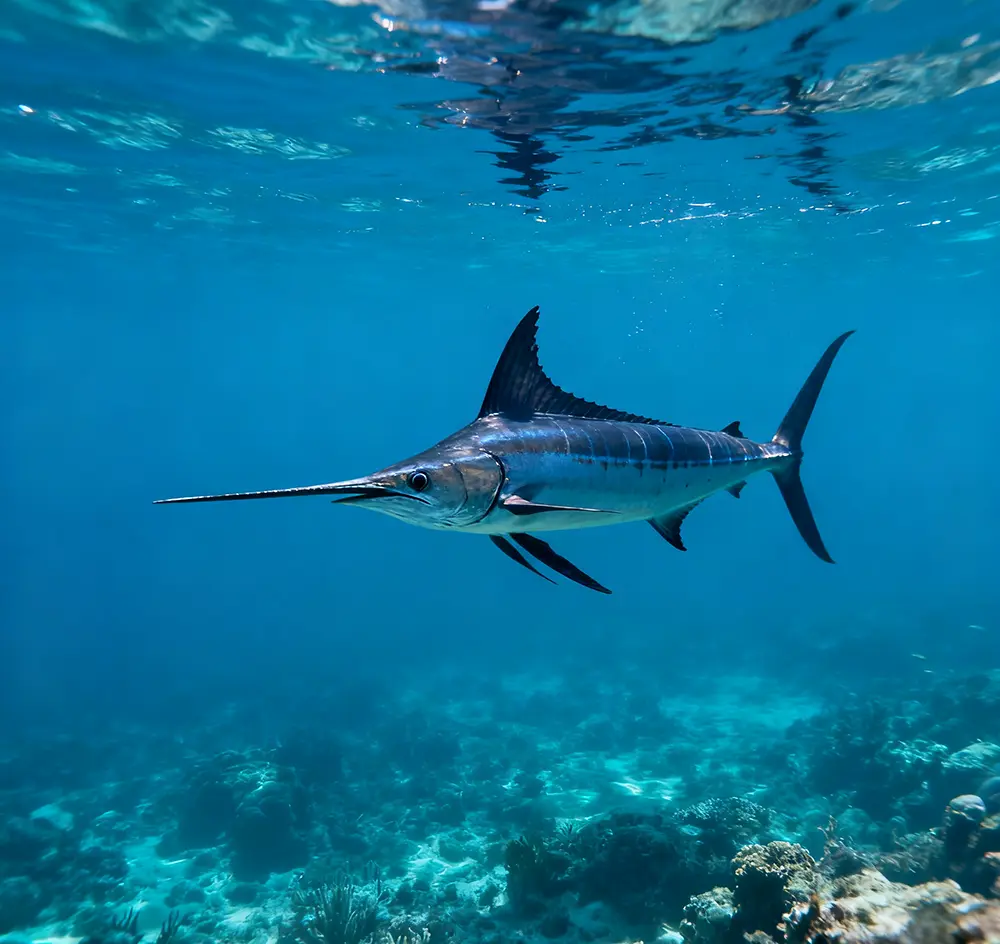
Swordfish: The Silver Blade of the Ocean
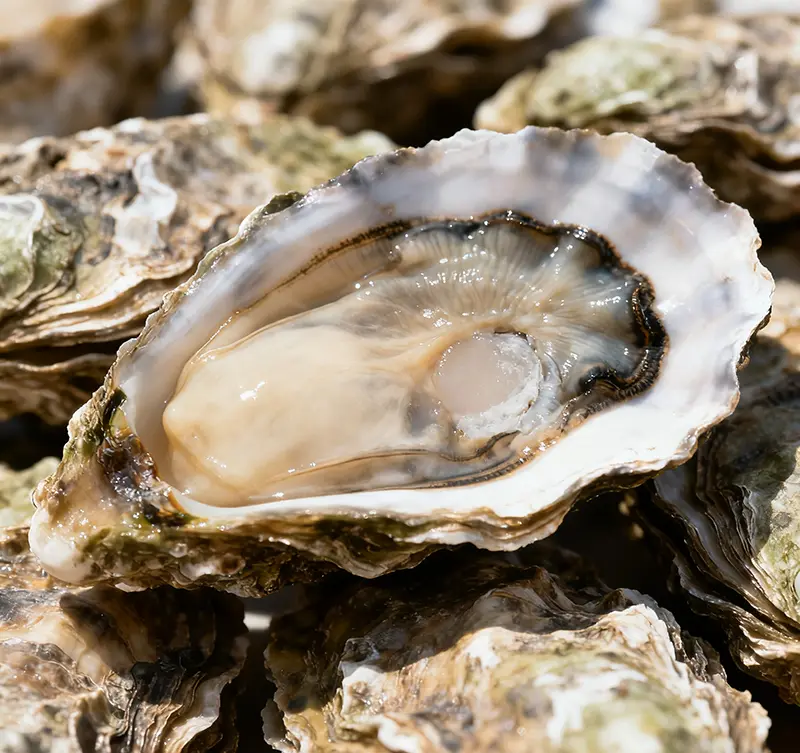
Oysters: Living Filters of the Ocean
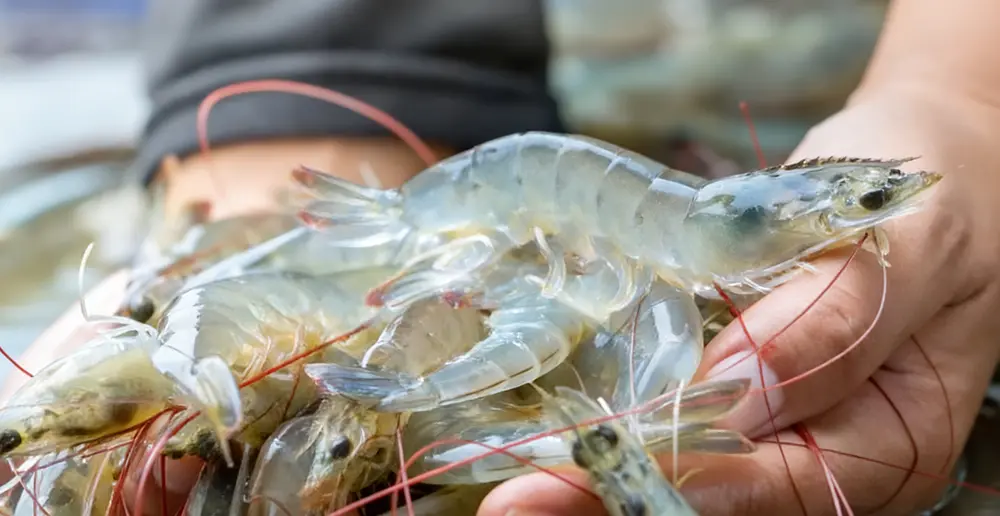
A Comprehensive Analysis of the Indonesian White Prawn (Penaeus merguiensis)
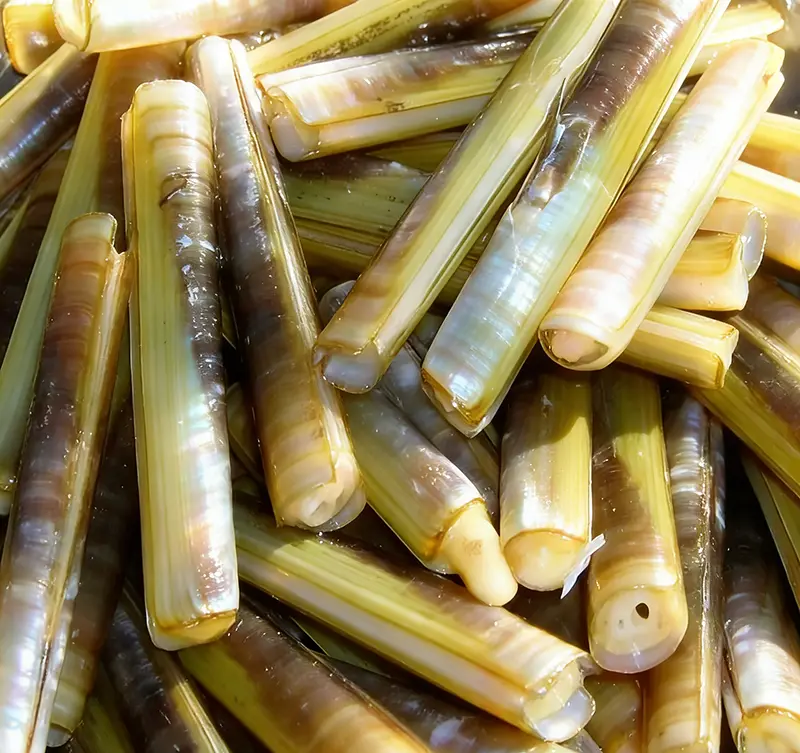
On the Bamboo Clam: Morphology, Burrowing Habits, Edible Value, Species Diversity, and Seasonal Occu
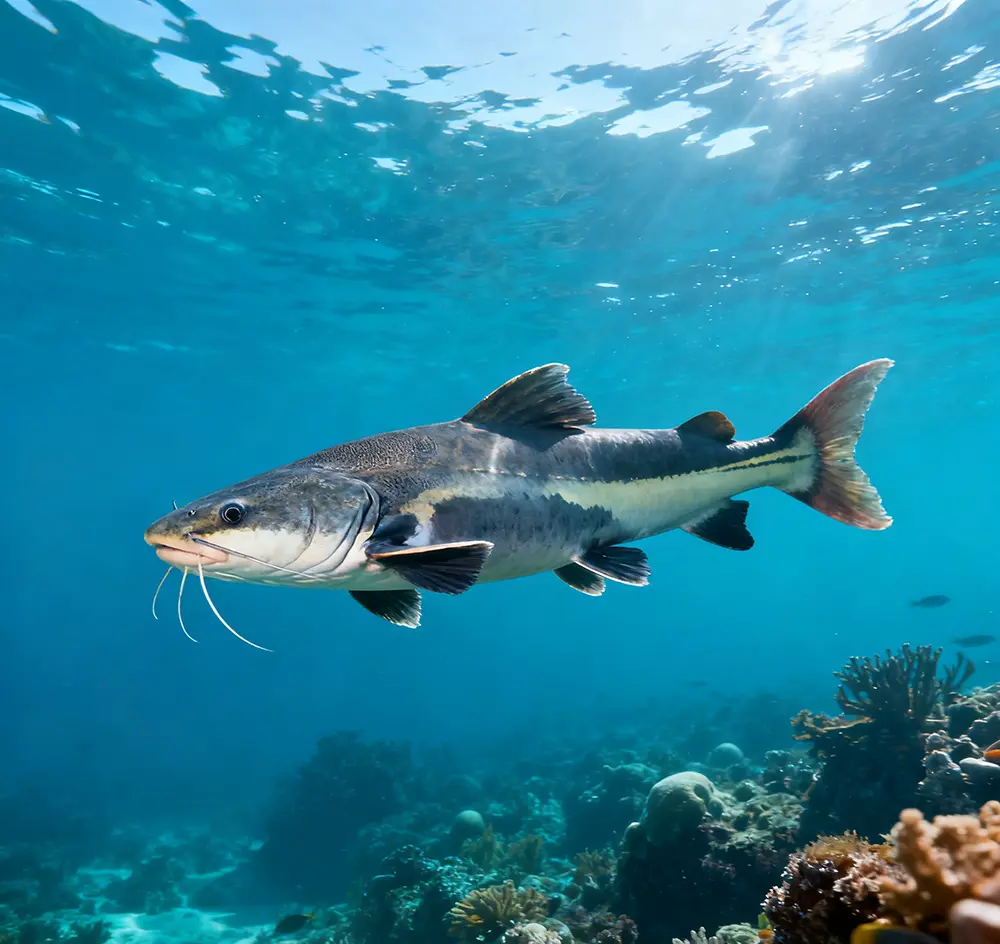
Hardhead Catfish Decoded: Morphology, Habits, Edible Value, Varieties, and Timing
Swordfish: The Silver Blade of the Ocean
Hardhead Catfish Decoded: Morphology, Habits, Edible Value, Varieties, and Timing
Oysters: Living Filters of the Ocean
On the Bamboo Clam: Morphology, Burrowing Habits, Edible Value, Species Diversity, and Seasonal Occu
Comprehensive Study of the Giant Tiger Prawn (Penaeus monodon) in Indonesian Waters
Comprehensive Study of the Giant Tiger Prawn (Penaeus monodon) in Indonesian Waters
Oysters: Living Filters of the Ocean
Oysters: Living Filters of the Ocean
A Comprehensive Analysis of the Indonesian White Prawn (Penaeus merguiensis)
A Comprehensive Analysis of the Indonesian White Prawn (Penaeus merguiensis)