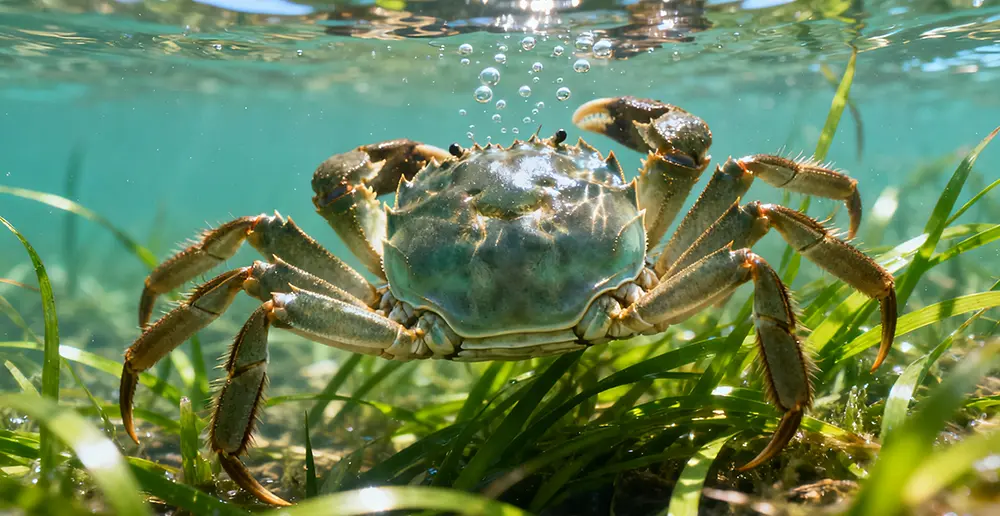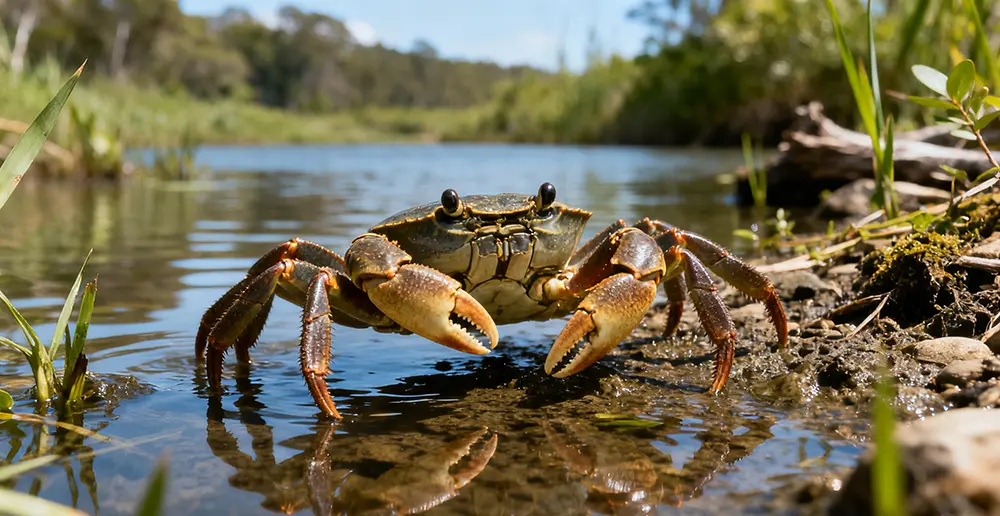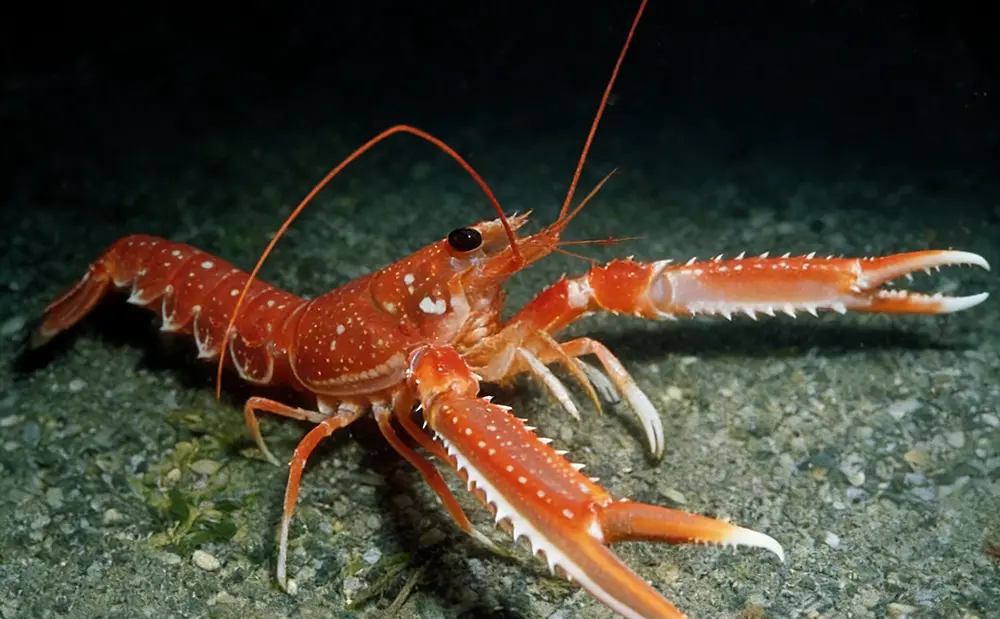
The Indian Tiger Shrimp (Penaeus monodon), also known as the black tiger shrimp, grass shrimp, or bull shrimp, is a shallow-water shrimp species primarily found in the tropical and subtropical waters of the Indian Ocean and the western Pacific Ocean. It is commonly found in coastal shallow waters, estuaries, mangrove swamps, and around coral reefs on muddy or sandy seabeds, at depths ranging from the intertidal zone to approximately 100 meters, with the highest population density occurring in waters less than 30 meters deep.
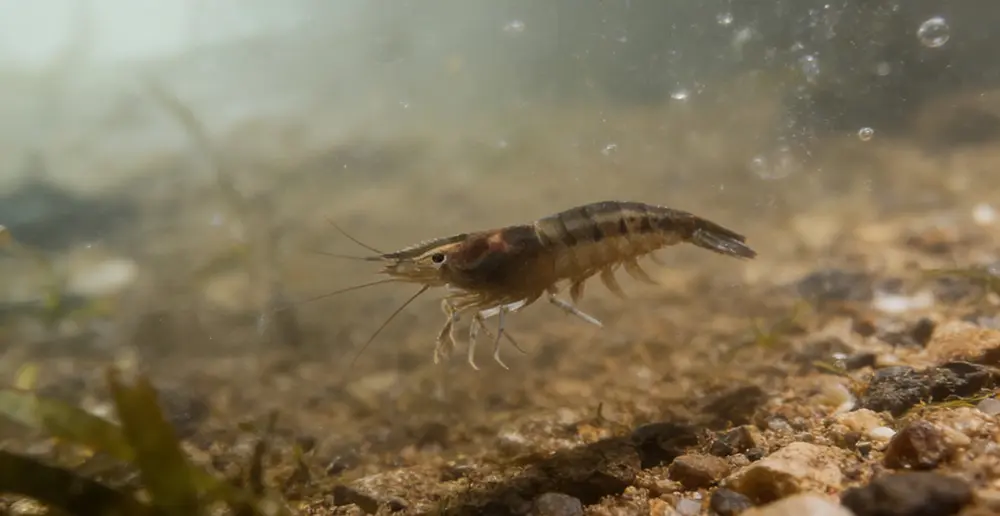
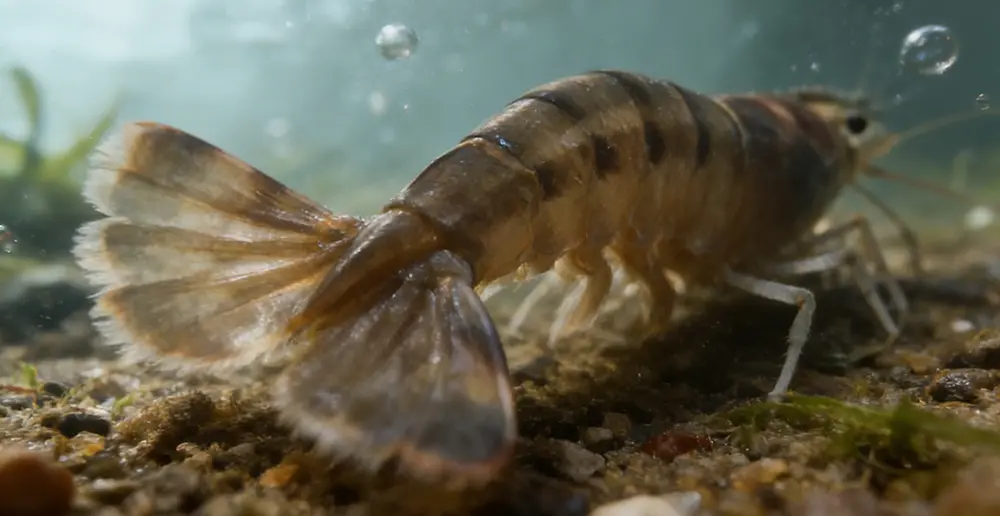
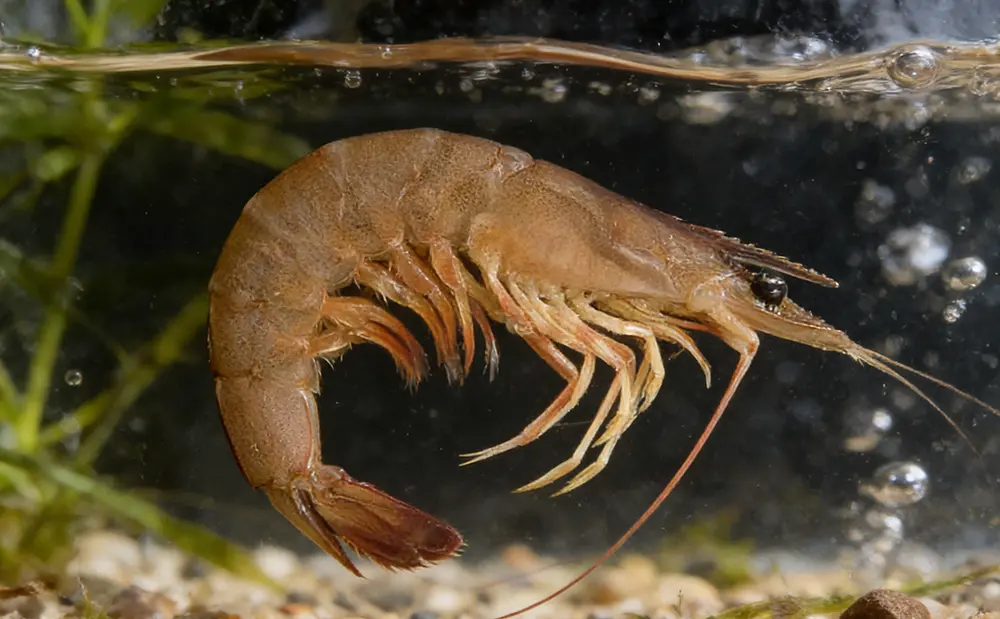
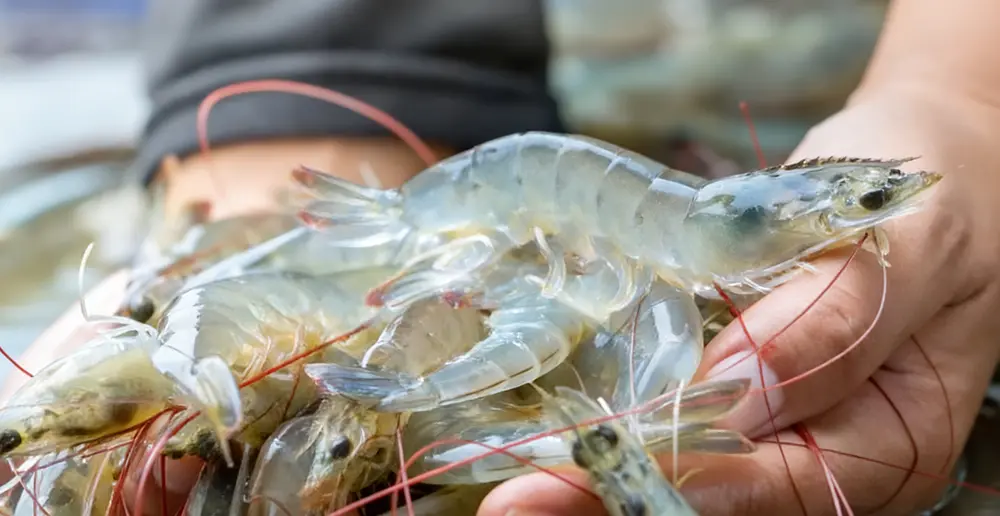
The most distinctive features of the Indian Tiger Shrimp are its large size and unique markings. Adult individuals typically reach 25–35 cm in length, with the largest recorded specimen exceeding 35 cm, and can weigh over 500 g, making it one of the largest species in the genus Penaeus. The body is spindle-shaped and slightly laterally compressed, with a smooth surface but fine hair‑like structures. Body color is usually dark brown or blue‑black, with the dorsal region being darker and gradually lightening toward the ventral side. The most distinctive feature is the vivid black‑and‑white or black‑and‑yellow horizontal banding on the abdomen and tail fan, resembling tiger stripes, hence the name “tiger shrimp.” These markings are particularly prominent in live specimens but may vary depending on the environment, health status, and stress level.
The cephalothorax extends into a slender, pointed rostrum, with 7–8 teeth on the upper margin and 2–3 on the lower margin—a key taxonomic feature. A pair of stalked compound eyes sits on either side of the rostrum’s base, providing keen vision. Of the five pairs of walking legs, the first three are pincer‑like, used for feeding and cleaning, while the rear two are claw‑like, used for locomotion. The five pairs of swimming legs are located on the abdomen and are used for short‑distance swimming and egg‑carrying. The tip of the telson is spiny. Compared to similar species such as the Japanese tiger shrimp (Penaeus japonicus), the Indian Tiger Shrimp is larger, has wider and more distinct markings, and has a different rostral tooth pattern. Compared to the whiteleg shrimp (Litopenaeus vannamei), the Indian Tiger Shrimp has a darker body color and a sturdier build, whereas the whiteleg shrimp has a pale, translucent body and a slenderer build.
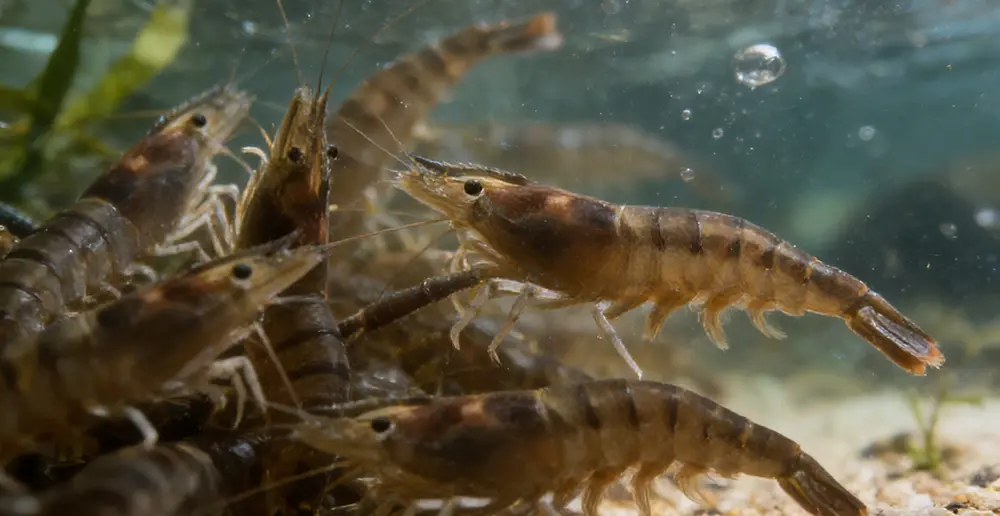
The internal structure of the Indian Tiger Shrimp reflects its adaptation to a benthic lifestyle. The exoskeleton, composed of chitin, protein, and calcium carbonate, provides protection and support but requires periodic molting to accommodate growth. The digestive system includes a stomach located in the cephalothorax, divided into a foregut and a hindgut; the foregut contains chitinous teeth for grinding food, while the hindgut is responsible for filtration. The intestine runs through the cephalothorax and abdomen, opening on the ventral side of the telson.
The respiratory system relies on gills. The gills are located in gill chambers on either side of the cephalothorax; water flow is generated by the movement of the second maxilla, facilitating gas exchange through the gill filaments. The circulatory system is open; the heart is situated on the dorsal side of the cephalothorax and pumps hemolymph throughout the body via arteries. The nervous system is chain‑like; the brain is located above the esophagus, and the ventral nerve cord runs along the ventral surface of the body. The sensory organs are well‑developed; in addition to compound eyes, there is a pair of long antennae used to detect water currents and chemical signals, and a pair of short antennae used for balance and touch.
The reproductive system is dioecious; the first pair of abdominal appendages in males is specialized as copulatory organs, while females have a thelycum at the base of the third pair of walking legs. Compared to the whiteleg shrimp, the Indian Tiger Shrimp has a more robust digestive system capable of processing a wider variety of foods, and its gill structure is more complex, allowing it to adapt to a broader range of water quality conditions.
The growth of the Indian Tiger Shrimp is achieved through periodic molting, a process regulated by endocrine hormones. Molting occurs frequently during the juvenile stage, possibly every few days; as the shrimp grows, the interval between molts extends to several weeks or months. The molting process consists of four stages: separation of the old exoskeleton, formation of the new exoskeleton, the shrimp breaking free from the old shell, and hardening of the new shell. Before the new shell hardens, the shrimp’s body is soft and fragile, making it highly susceptible to attacks and infections.
Growth rates are influenced by water temperature, salinity, food availability, and stocking density, with the fastest growth occurring at water temperatures of 28–32°C. Under ideal conditions, it takes approximately 4–6 months for juveniles to reach market size (30–40 g). Under natural conditions, their lifespan can reach 2–3 years. Compared to the Japanese tiger shrimp (Marsupenaeus japonicus), the Indian Tiger Shrimp grows faster but has slightly lower tolerance to environmental changes. Compared to the giant river prawn (Macrobrachium rosenbergii), the Indian Tiger Shrimp lives entirely in seawater, while the giant river prawn requires freshwater for growth and brackish water for reproduction.
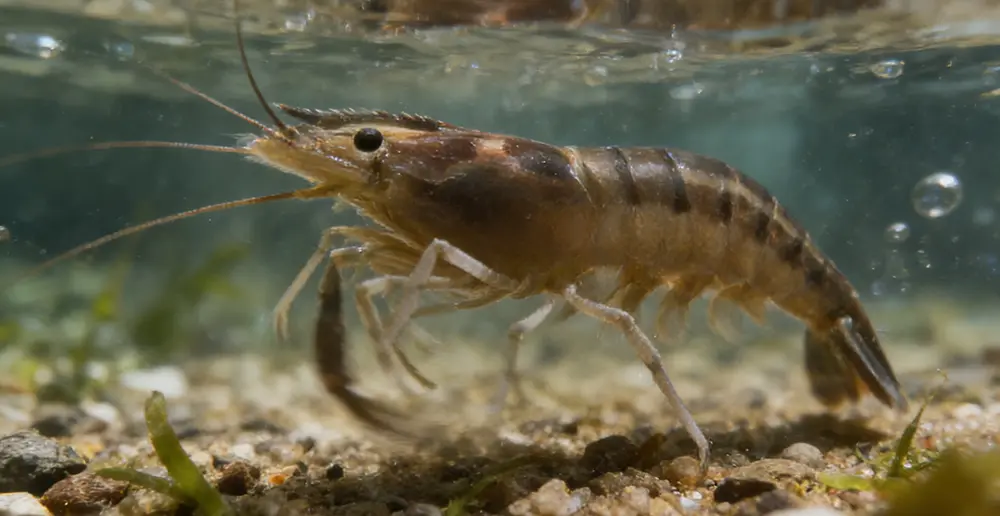
The Indian Tiger Shrimp is a typical euryhaline species capable of adapting to a wide range of salinity levels, from brackish water in estuaries (5–10 ppt) to highly saline water in the open sea (30–35 ppt). This adaptability allows them to utilize different habitats at various life stages. Juveniles prefer soft, organic‑rich mud substrates in estuaries, mangrove swamps, and shallow coastal waters, where food and shelter are abundant. As they grow, they gradually move to deeper waters, with adults typically found in coastal waters 10–30 meters deep.
Its distribution ranges from the coast of East Africa through the Indian Ocean and Southeast Asia to northern Australia, and in the western Pacific, it extends as far as southern Japan. In the wild, they exhibit a distinct diurnal activity rhythm, typically burrowing into the substrate or hiding during the day and becoming active foragers at night. This behavior helps them avoid diurnal predators, such as various fish and cephalopods. Compared to the banana shrimp (Fenneropenaeus merguiensis), the Indian Tiger Shrimp has slightly lower tolerance for low salinity but is better adapted to deeper waters. Compared to the Chinese white shrimp (Fenneropenaeus chinensis), the Indian Tiger Shrimp prefers warmer waters, while the Chinese white shrimp can adapt to lower winter water temperatures.
The Indian Tiger Shrimp is a typical omnivorous‑carnivorous species with a broad diet that varies with developmental stage. During the juvenile stage, they primarily feed on small plankton, organic detritus, and micro‑benthic organisms. As individuals grow, their diet gradually shifts toward larger benthic invertebrates, including polychaete worms, small crustaceans, mollusks, and fish remains. They use sensitive chemoreceptors and tactile organs to detect food, employing the first few pairs of walking legs to capture and process prey.
Feeding behavior exhibits a distinct circadian rhythm, with the shrimp being primarily active at night. In natural environments, they stir up the substrate in search of food, a behavior that exerts a certain degree of bioturbation on benthic ecosystems. Under aquaculture conditions, Indian Tiger Shrimp can adapt to various commercial feeds, but feeds with high animal protein content generally yield better growth results. Compared to the kuruma shrimp (Penaeus japonicus), the Indian Tiger Shrimp has a more carnivorous diet and higher protein requirements. Compared to the whiteleg shrimp, the Indian Tiger Shrimp is more selective in its feeding, while the whiteleg shrimp exhibits greater adaptability to formulated feeds.
The reproduction of Indian Tiger Shrimp involves a complex life history and distinct seasonality. Under natural conditions, sexually mature individuals migrate from coastal habitats to deeper offshore waters to mate and spawn. Females typically mate immediately after molting at night; the male transfers a spermatophore to the female, which is stored in her thelycum. Several hours to several days after mating, the female floats to the water’s surface at night to lay eggs, simultaneously releasing sperm to complete fertilization.
A single mature female can lay 500,000 to 1 million eggs at a time, with each egg measuring approximately 0.25 mm in diameter. The fertilized eggs float and develop in seawater, hatching into nauplii after approximately 12–16 hours. The nauplii undergo six molts to enter the zoea stage, followed by three molts to reach the mysis stage, and finally metamorphose into postlarvae, at which point they begin a benthic lifestyle. The entire planktonic stage lasts approximately 2–3 weeks, during which mortality rates are extremely high. Compared to the green tiger shrimp (Penaeus semisulcatus), the Indian Tiger Shrimp has a longer reproductive season and can reproduce almost year‑round in tropical regions. Compared to the greasyback shrimp (Metapenaeus ensis), the Indian Tiger Shrimp has higher individual fecundity but a longer larval development period.
The Indian Tiger Shrimp is highly regarded for its large size, firm texture, and unique flavor. The shrimp meat is translucent white, turning opaque white when cooked. It has a firm, elastic texture and a delicious, sweet taste with a distinctive oceanic flavor. Compared to other shrimp species, Indian Tiger Shrimp have more substantial meat, with larger individual weights and volumes, making them suitable for a variety of cooking methods.
From a nutritional perspective, Indian Tiger Shrimp are a healthy food source that is high in protein and low in fat. Per 100 grams of edible portion, they contain approximately 20–22 grams of protein, 1–1.5 grams of fat, and moderate levels of cholesterol. The protein contains all the essential amino acids required by the human body and has a high biological value. The fat is primarily composed of unsaturated fatty acids, including Omega‑3 fatty acids, which are beneficial for cardiovascular health. Additionally, they are rich in various minerals such as selenium, zinc, iodine, and phosphorus, as well as vitamins B12 and E. The shrimp shells contain abundant chitin and astaxanthin, which have antioxidant and immune‑modulating properties.
Compared to the whiteleg shrimp, Indian Tiger Shrimp have firmer meat and a richer flavor, though their fat content is slightly higher. Compared to the kuruma shrimp, Indian Tiger Shrimp are larger and have more plump meat, though their texture is slightly less delicate. Compared to the freshwater giant river prawn, Indian Tiger Shrimp have firmer meat, a milder fishy odor, and a more pronounced oceanic flavor.
The Indian Tiger Shrimp is one of the most important species in the global shrimp farming industry and holds significant economic value. Although the production of the whiteleg shrimp has surpassed that of the tiger shrimp in recent years, the Indian Tiger Shrimp still occupies an important position in the international high‑end seafood market due to its large size and excellent quality. Major producing countries include Indonesia, Thailand, Vietnam, India, Bangladesh, and other Southeast and South Asian nations.
In the market, Indian Tiger Shrimp are typically sold by size grade, with larger individuals commanding higher prices. Common sales formats include live shrimp, chilled shrimp, frozen whole shrimp, headless shrimp, and shrimp meat. Frozen products usually employ individual quick‑freezing technology to preserve quality. Major consumer markets include developed countries and regions such as the United States, Japan, and the European Union, while consumption in the Chinese domestic market has also grown rapidly in recent years.
Compared to the giant tiger prawn (Penaeus monodon—note: same species), the Indian Tiger Shrimp grows faster and has stronger disease resistance, but its feed conversion efficiency is lower. Compared to the whiteleg shrimp, the Indian Tiger Shrimp commands a higher market price but also carries greater farming risks. These differences have led to distinct market positioning and development strategies for different species within the aquaculture industry.
Processing technologies for Indian Tiger Shrimp are diverse and vary depending on the target market and product form. Basic processing steps include grading, cleaning, deheading, shelling, sorting, packaging, and freezing. Value‑added products also include seasoned shrimp, breaded shrimp, and ready‑to‑eat shrimp products. Quality control during processing is crucial, particularly regarding freshness preservation, prevention of blackening, and maintenance of texture.
In culinary applications, the versatility of Indian Tiger Shrimp stems from their excellent texture and flavor. Common cooking methods include steaming, blanching, grilling, and deep‑frying, which not only highlight the natural flavor but also accommodate various seasonings. Large‑sized Indian Tiger Shrimp are particularly suitable for banquet dishes, such as tempura and garlic‑stuffed split shrimp. In the culinary cultures of different countries, tiger shrimp hold unique positions and have distinct cooking traditions.
Taxonomically, the Indian Tiger Shrimp belongs to the Kingdom Animalia, Phylum Arthropoda, Class Malacostraca, Order Decapoda, Family Penaeidae, and Genus Penaeus. This genus includes several important economic species, but the Indian Tiger Shrimp is one of the largest and most economically valuable among them. Through long‑term evolution and artificial selection, distinct geographic populations and strains have emerged.
Major wild populations include the Southeast Asian, Indian Ocean, and Australian populations, which exhibit certain differences in growth performance, disease resistance, and morphological characteristics. In terms of artificial breeding, research institutions and enterprises in various countries have developed multiple strains with specific superior traits, such as fast‑growing strains, highly disease‑resistant strains, and strains with distinct markings. These breeding efforts have significantly improved the production performance of farmed tiger shrimp.
Compared to freshwater crayfish, the Indian Tiger Shrimp lives entirely in seawater and requires a complex life cycle to reproduce; compared to lobsters, tiger shrimp have a shorter growth cycle, making them suitable for intensive farming, but they reach smaller individual sizes. These differences in biological characteristics determine their distinct roles and development models within the aquaculture industry.
In the natural environment, the reproduction and growth of the Indian Tiger Shrimp exhibit distinct seasonality, mainly influenced by water temperature and rainfall. In tropical regions, the breeding peak typically occurs around the rainy season, when estuarine areas are rich in nutrients, favoring larval development. In subtropical regions, reproduction and growth are mainly concentrated in the warm spring and summer months.
Under farming conditions, year‑round production can be achieved by controlling environmental conditions. A typical farming cycle includes: the hatchery phase (about 25–30 days), the nursery phase (about 30 days), and the grow‑out phase (about 100–120 days). The entire farming cycle takes approximately 5–6 months and can be flexibly adjusted according to market demand. Compared to wild populations, farmed tiger shrimp grow faster and are more uniform in size, though their flavor may differ slightly.
Farming models vary, including extensive, semi‑intensive, and intensive systems. Intensive systems, which use artificial aeration, water quality control, and precise feeding, achieve the highest yield per unit area but also face greater risks of disease and environmental impact. Compared to giant river prawn farming, tiger shrimp farming requires a seawater environment and higher infrastructure investment; compared to whiteleg shrimp farming, tiger shrimp have higher environmental requirements and require more meticulous management.
The Indian Tiger Shrimp farming industry faces multiple sustainable development challenges. Disease issues are particularly prominent, especially viral and bacterial diseases such as white spot syndrome, yellow head disease, and early mortality syndrome, which often cause severe economic losses. Germplasm degradation is another important issue; long‑term inbreeding leads to reduced growth performance and weakened stress tolerance.
Environmentally, the discharge of aquaculture wastewater may cause eutrophication in coastal waters, and high‑density farming requires large amounts of fishmeal and fish oil, putting pressure on marine fishery resources. Socially, the expansion of farming may lead to mangrove destruction and land salinization. To address these issues, health management practices being promoted include breeding disease‑resistant strains, developing environmentally friendly feeds, implementing recirculating aquaculture systems, and establishing early warning systems for diseases.
Compared to wild capture, farmed tiger shrimp offer a more stable supply and more uniform sizes, but wild tiger shrimp still have unique advantages in flavor and texture. Currently, countries are promoting the sustainable development of the industry by establishing farming standards, promoting certification systems, and strengthening regulation.
In natural ecosystems, the Indian Tiger Shrimp plays an important role. As an omnivorous benthic organism, it is both a consumer and a prey item, occupying a middle position in the food chain. Its feeding activities promote the decomposition of organic matter in the substrate and the cycling of nutrients, playing an important role in maintaining ecosystem health.
At the same time, the population status of the Indian Tiger Shrimp can serve as an indicator of environmental quality. It is sensitive to changes in water quality, particularly responding strongly to hypoxia, pollution, and habitat destruction. A sharp decline in population size often signals deterioration of the ecological environment. Therefore, monitoring the population dynamics of wild tiger shrimp is not only meaningful for resource management but also provides valuable reference for assessing the health of entire coastal ecosystems.
As an important species in the global shrimp farming industry, the biological characteristics and economic value of the Indian Tiger Shrimp have attracted much attention. Morphologically, its large size and distinctive tiger‑like markings provide clear diagnostic features; in terms of life habits, its euryhalinity and complex life cycle allow it to utilize a variety of habitats; in terms of edible value, its firm meat and rich nutrition make it a favorite in the high‑end seafood market. Compared to similar species, the Indian Tiger Shrimp has distinct advantages in individual size, growth performance, and market price, but also faces greater challenges in farming difficulty and environmental requirements.
Currently, the Indian Tiger Shrimp industry is at a critical stage of transformation and upgrading, with germplasm improvement, healthy farming, and sustainable development becoming the focus of industry attention. Through scientific management and technological innovation, balancing economic benefits with ecological conservation is the only way to achieve the long‑term healthy development of the Indian Tiger Shrimp industry. Future research directions should include disease‑resistant breeding, development of environmentally friendly feeds, and optimization of farming models to address increasingly severe disease challenges and environmental pressures.
References
1. Taxonomy and Basic Biology:
Holthuis, L. B. (1980). *FAO Species Catalogue. Vol. 1 - Shrimps and Prawns of the World. An Annotated Catalogue of Species of Interest to Fisheries*. FAO Fisheries Synopsis No. 125, Volume 1. [Provides authoritative taxonomic descriptions and basic biological information on the Indian tiger shrimp.]
Motoh, H. (1981). Studies on the Fisheries Biology of the Giant Tiger Prawn, Penaeus monodon, in the Philippines. SEAFDEC Aquaculture Department. [Detailed study on the fishery biology of the Indian tiger shrimp in Philippine waters.]
2. Aquaculture Techniques and Production:
Tacon, A. G. J., & Metian, M. (2008). Global Overview on the Use of Fish Meal and Fish Oil in Industrially Compounded Aquafeeds: Trends and Future Prospects. Aquaculture, 285(1-4), 146-158. [Analyzes the use of fishmeal and fish oil in aquafeeds, including shrimp farming.]
Flegel, T. W. (2012). Historic Emergence, Impact and Current Status of Shrimp Pathogens in Asia. Journal of Invertebrate Pathology, 110(2), 166-173. [Reviews the history, impact, and current status of shrimp pathogens in Asia.]
3. Ecology and Resource Management:
Primavera, J. H. (1997). Socio‑economic Impacts of Shrimp Culture. Aquaculture Research, 28(10), 815-827. [Analyzes the socio‑economic impacts of shrimp farming.]
Naylor, R. L., et al. (2000). Effect of Aquaculture on World Fish Supplies. Nature, 405(6790), 1017-1024. [Discusses the impact of aquaculture on global fish supplies.]
4. Nutrition and Quality:
Sriket, P., et al. (2007). Comparative Studies on Chemical Composition and Thermal Properties of Black Tiger Shrimp (Penaeus monodon) and White Shrimp (Penaeus vannamei) Meats. Food Chemistry, 103(4), 1199-1207. [Compares the chemical composition and thermal properties of black tiger shrimp and white shrimp meat.]
Shahidi, F., & Synowiecki, J. (1991). Isolation and Characterization of Nutrients and Value‑Added Products from Snow Crab (Chionoecetes opilio) and Shrimp (Pandalus borealis) Processing Discards. Journal of Agricultural and Food Chemistry, 39(8), 1527-1532. [Studies the nutrient composition and value‑added products from shrimp and crab processing by‑products.]
 Swordfish: The Silver Blade of the Ocean
 Hardhead Catfish Decoded: Morphology, Habits, Edible Value, Varieties, and Timing
 Oysters: Living Filters of the Ocean
 On the Bamboo Clam: Morphology, Burrowing Habits, Edible Value, Species Diversity, and Seasonal Occu
 Comprehensive Study of the Giant Tiger Prawn (Penaeus monodon) in Indonesian Waters
Comprehensive Study of the Giant Tiger Prawn (Penaeus monodon) in Indonesian Waters
Oysters: Living Filters of the Ocean
Oysters: Living Filters of the Ocean
 A Comprehensive Analysis of the Indonesian White Prawn (Penaeus merguiensis)
A Comprehensive Analysis of the Indonesian White Prawn (Penaeus merguiensis)