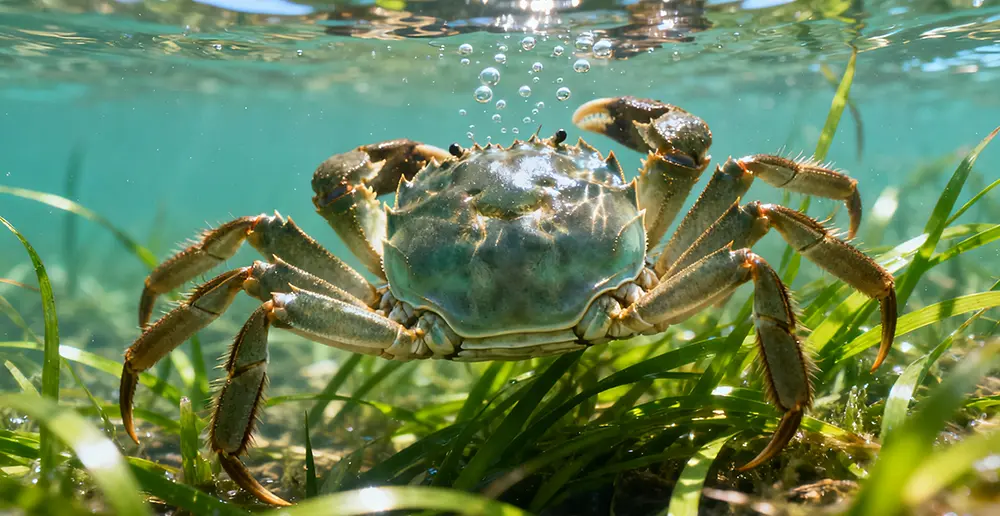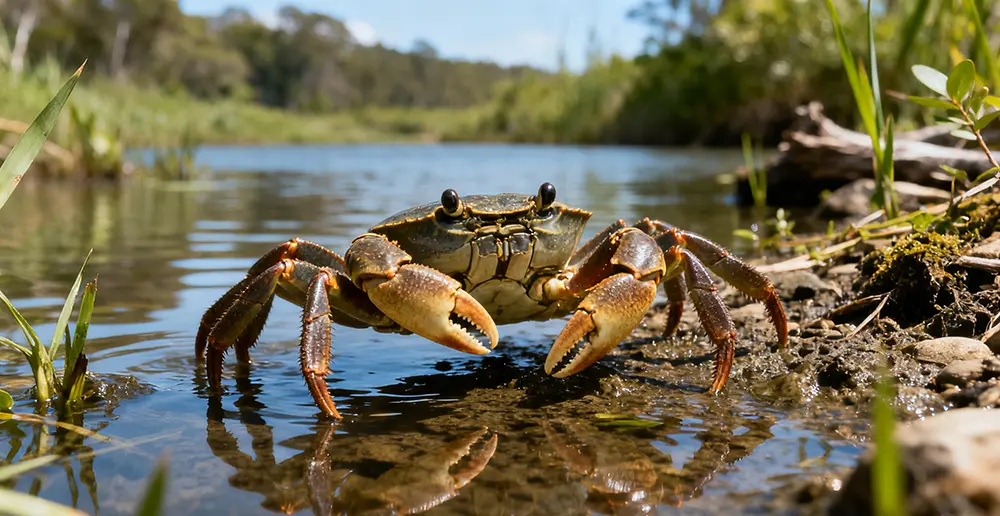
New Zealand shrimp (English name: New Zealand Shrimp), also known as New Zealand prawn or Antarctic shrimp, are primarily found in shallow to deep waters around New Zealand, particularly off the east coast of the South Island and near Stewart Island. They are one of the region's key marine economic species.
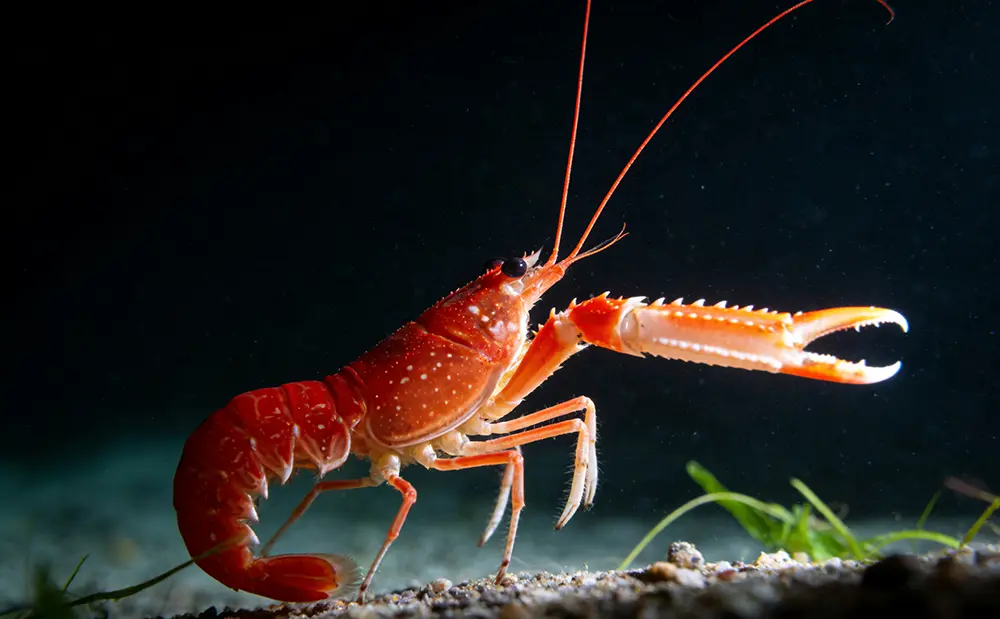
New Zealand shrimp possess the typical physical characteristics of crustaceans, with a body length generally ranging from 8 to 15 centimeters, though the largest individuals can reach 18 centimeters. Their bodies are translucent, featuring pale pink or orange-red spots; this protective coloration allows them to effectively camouflage themselves in deep-sea environments. The carapace is relatively hard, with fine spiny projections on the surface. The front end bears a pair of well-developed compound eyes and two pairs of antennae. The first pair of antennae is short and used to detect chemical signals in the surroundings; the second pair can reach 2–3 times the body length, with feather-like tips used to sense water currents and locate prey.
The abdomen consists of six segments, each bearing a pair of pleopods (swimming legs). The tail fan is fan-shaped, with sharp spines along its edges, enabling the shrimp to retreat rapidly to evade predators. Compared to the common North Atlantic brown shrimp, the New Zealand shrimp has a paler body color and a more slender build, traits associated with its habitat in deeper waters. In the juvenile stage, the New Zealand shrimp is entirely transparent, gradually developing distinctive red pigmentation as it matures. This color change is related to the accumulation of astaxanthin and serves as an important indicator of its maturity.
The internal structure of New Zealand shrimp reflects its special adaptation to the deep-sea environment. The digestive system consists of the foregut, midgut, and hindgut. The foregut includes a gastric mill with grinding functions, capable of breaking down the exoskeletons of crustacean prey. The midgut is the primary site of digestion and absorption, with its inner wall covered in villi to increase the absorptive surface area. The hepatopancreas is well-developed, occupying most of the body cavity; it serves both as a digestive gland and an energy storage organ.
The circulatory system is open, with the heart located on the dorsal side of the carapace, pumping hemolymph throughout the body via arteries. The hemolymph contains hemocyanin, enabling it to transport oxygen effectively even in the cold, low‑oxygen environment of the deep sea. The nervous system includes the brain ganglion and the ventral nerve cord. The sensory nerves are particularly well‑developed, with a large number of sensory cells distributed around the antennae and mouthparts, allowing the shrimp to keenly perceive changes in water pressure, temperature, and chemical substances.
Compared to its close relative, the Australian prawn, New Zealand shrimp have a more complex gill structure with a greater number of gill filaments, allowing them to maintain high metabolic efficiency even in cold environments. The reproductive system is particularly well‑developed in mature individuals. The ovaries of female New Zealand shrimp are deep green and occupy nearly the entire dorsal body cavity; the testes of male shrimp are smaller, but the vas deferens have a complex structure and can produce spermatophores of a distinctive shape.
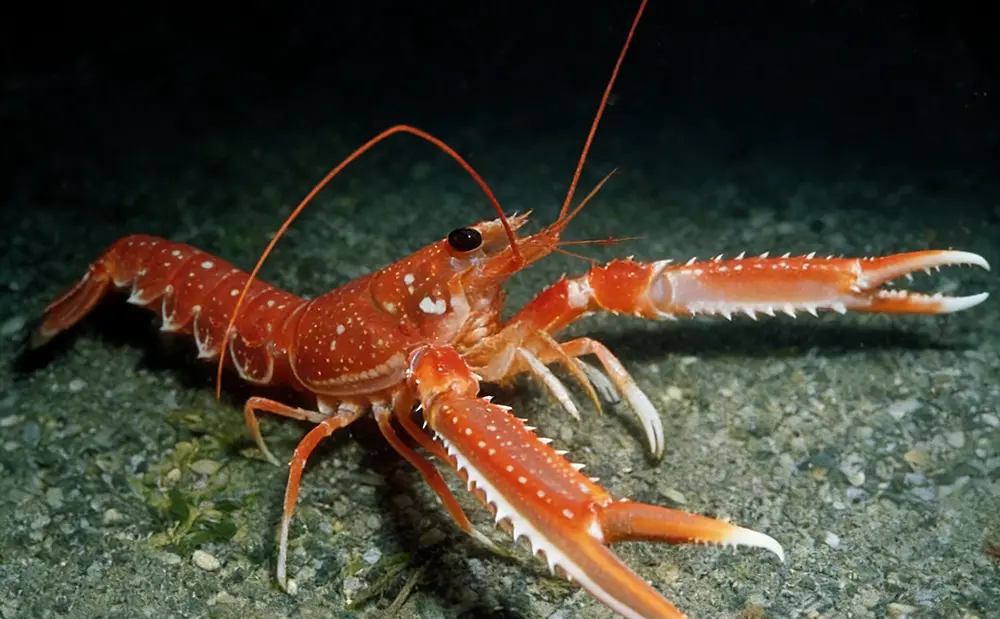
New Zealand shrimp primarily inhabit the continental shelf and continental slope regions surrounding New Zealand, at depths ranging from 50 to 800 meters, with an optimal depth of 200–500 meters. They prefer sandy‑muddy seabeds, as this substrate facilitates burrowing for concealment and is rich in benthic organisms that serve as a food source. They have a wide temperature tolerance, surviving normally between 4–12°C, with an optimal temperature of 8–10°C.
Habitat selection varies throughout the life cycle. Juvenile shrimp are concentrated in coastal areas at depths of 50–100 meters, where food is abundant and predators are scarce. Adult shrimp migrate to deeper waters, forming dense populations in areas deeper than 200 meters. This vertical distribution not only reduces competition among individuals of different ages but also effectively shields the population from environmental fluctuations in nearshore waters.
Compared to the Tasmanian shrimp, New Zealand shrimp exhibit greater tolerance to low temperatures, enabling them to establish stable populations in the colder waters of southern New Zealand. Additionally, they have a broad salinity tolerance range, growing and developing normally under salinity conditions of 32–35‰. This euryhaline characteristic allows New Zealand shrimp populations to adapt to seasonal salinity fluctuations.
New Zealand shrimp are typical omnivores with a broad diet that includes plankton, small crustaceans, polychaete worms, and organic detritus. Their feeding methods are diverse, ranging from actively hunting live prey to scraping organic matter from bottom sediments. When food is abundant, they exhibit distinct selective feeding behavior, prioritizing prey with higher nutritional value.
Feeding activity exhibits distinct circadian rhythms and seasonal variations. At night, New Zealand shrimp leave their hiding places to actively search for food. In winter, as water temperatures drop and metabolic rates decrease, both feeding frequency and intake decrease accordingly. This rhythmic feeding behavior enhances feeding efficiency while reducing the risk of predation.
Compared to Norway lobsters, New Zealand shrimp have a more diverse diet, granting them greater adaptability in environments with significant seasonal fluctuations in food resources. Studies have found that feeding habits also vary by age: juvenile shrimp primarily feed on plankton and micro‑benthic organisms, while adult shrimp prey more on large benthic invertebrates.
The breeding season for New Zealand shrimp is concentrated in the Southern Hemisphere’s spring and summer (September to February of the following year). Their courtship behavior is highly distinctive: male shrimp release pheromones through their antennae to attract females and perform complex courtship dances. During mating, the male attaches his spermatophore between the female’s fourth and fifth pairs of walking legs; this process typically lasts from several minutes to several hours.
Females lay eggs within 12–24 hours after mating, producing between 5,000 and 20,000 eggs per clutch, with the exact number depending on individual size and environmental conditions. The fertilized eggs are oval‑shaped, approximately 0.5 millimeters in diameter, initially bright green, and gradually turn grayish‑brown as they develop. The female attaches the eggs to her pleopods and provides oxygen by constantly moving them until hatching.
The incubation period varies with water temperature, taking approximately 20–25 days at 10°C. Newly hatched larvae undergo 6–8 developmental stages, taking 2–3 months to develop into juvenile shrimp. Compared to Galápagos shrimp, New Zealand shrimp have a longer reproductive cycle but higher larval survival rates; this life history strategy is adapted to their temperate marine environment.
New Zealand shrimp are a high‑quality source of protein, with 18–20 grams of protein per 100 grams of shrimp meat, including all essential amino acids. They have an extremely low fat content, accounting for only 1–2% of body weight, and most of this fat consists of unsaturated fatty acids, particularly high levels of EPA and DHA, which are beneficial for cardiovascular health and brain development.
They are rich in minerals, particularly trace elements such as selenium, zinc, and iodine. Selenium content exceeds 50% of the recommended daily intake and possesses powerful antioxidant properties; zinc content is also substantial, helping to maintain normal immune system function; and iodine content meets the body’s daily requirements, supporting normal thyroid function.
The vitamin profile is dominated by B vitamins, with vitamin B12 being particularly prominent; every 100 grams of shrimp meat provides more than twice the daily requirement of vitamin B12. Compared to other shrimp varieties, New Zealand shrimp have a moderate cholesterol content, but given their rich nutrient profile, moderate consumption is safe and beneficial for most people.
New Zealand shrimp are highly versatile in the kitchen and are prized for their firm texture and delicious flavor. The simplest method is to blanch them in boiling water, which best preserves their natural flavor. Pay close attention to the heat when blanching: typically, add the shrimp after the water has come to a boil, and remove them once they turn pink and curl—the entire process should take no more than 3 minutes.
Grilling is another popular cooking method. Shelled shrimp with tails intact are marinated in olive oil, garlic, and herbs before grilling, resulting in a slightly charred exterior and tender interior. They can also be wrapped in bacon and grilled; the bacon fat seeps into the shrimp, adding a unique layer of flavor. In Asian cuisine, New Zealand shrimp are often used to make tempura or added to fried rice and noodles.
Compared to Thai tiger prawns, New Zealand shrimp have a firmer texture and are less prone to losing moisture during cooking, making them better suited for dishes that require longer cooking times. In French cuisine, they are often used to make seafood bisque or risotto; in Mediterranean cuisine, they are frequently paired with tomatoes, olive oil, and herbs.
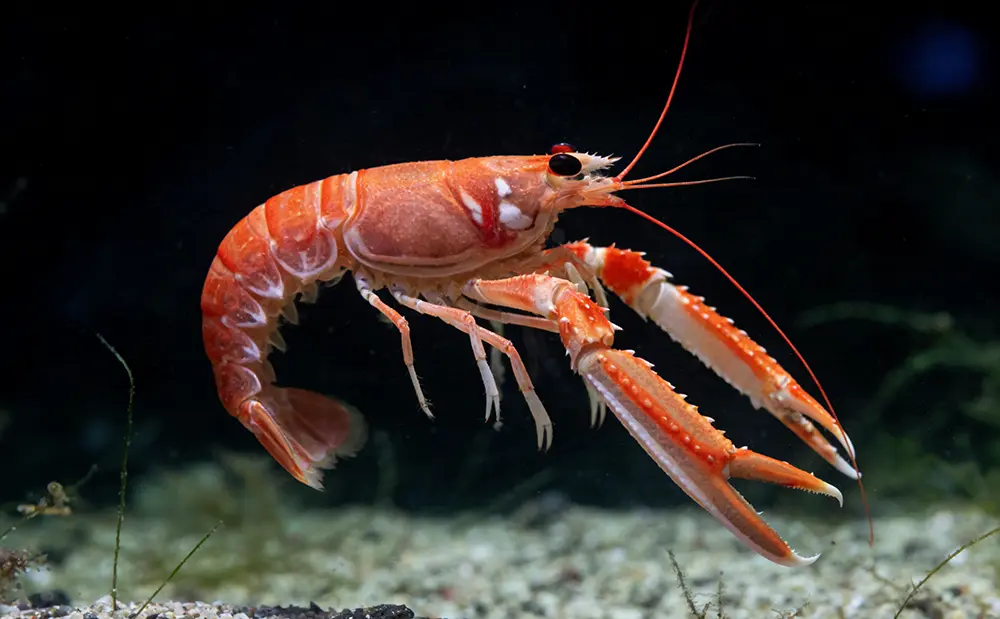
New Zealand waters are home to several economically valuable shrimp species, the most representative of which is the New Zealand scampi (*Metanephrops challengeri*). This shrimp is relatively large, typically inhabiting waters 200–500 meters deep, and is characterized by its particularly well‑developed claws. Its shell is pink with white spots, and it can grow up to 20 centimeters in length, making it New Zealand’s most important commercially fished shrimp species.
Another common species is the New Zealand red shrimp (*Haliporoides sibogae*), primarily found in the waters surrounding New Zealand’s North Island. This shrimp is smaller, typically measuring 10–12 cm, but is abundant and often forms dense schools. Its most distinctive feature is its bright red coloration, which retains its vibrant hue even after cooking.
Deep‑water shrimp (*Pandalus* spp.) are also found in the southern waters of New Zealand. These shrimp possess a unique hermaphroditic trait, exhibiting male characteristics in their juvenile stage before transitioning to female upon maturity. Compared to Australian banana shrimp, native New Zealand shrimp species generally exhibit greater cold tolerance, enabling them to thrive in the cold southern waters of New Zealand.
Compared to the Northern European shrimp commonly found in the North Atlantic, New Zealand shrimp exhibit distinct differences in several aspects. Northern European shrimp are smaller, typically not exceeding 10 centimeters in length, while New Zealand scampi can reach twice that size. In terms of meat texture, New Zealand shrimp have a firmer texture and higher protein content, which may be related to their habitat in deeper, colder waters.
Compared to tropical tiger prawns, New Zealand shrimp grow more slowly, resulting in a more delicate texture and a richer accumulation of flavor compounds. However, this also means that New Zealand shrimp have lower yields and typically command higher market prices. In terms of nutritional composition, New Zealand shrimp have significantly higher levels of omega‑3 fatty acids than tropical shrimp, which is related to their diet.
Japanese shrimp are another species worth comparing. While the two are quite similar in appearance, Japanese shrimp are better adapted to warmer waters, with an optimal growth temperature above 20°C. In terms of farming characteristics, Japanese shrimp have already achieved large‑scale commercial farming, while New Zealand shrimp are currently primarily harvested from the wild, which is a key factor contributing to the price difference between the two.
The fishing season for New Zealand shrimp is strictly regulated, with the main fishing period running from October to April of the following year. This period corresponds to spring and summer in the Southern Hemisphere, when water temperatures are suitable, shrimp populations are active, and most individuals have completed reproduction, reaching the annual peak of the population. Fishing during this period not only yields the best economic returns but also minimizes the impact on population reproduction.
The optimal fishing times vary depending on the depth of the shrimp populations. Shrimp in shallow waters (100–200 meters) are most concentrated from October to December, while those in deep waters (300–500 meters) do not reach their optimal fishing conditions until January to March. This time lag allows fishing operations to proceed in an orderly manner, extending the fishing season while avoiding the pressure on specific populations caused by overly concentrated harvesting.
Compared to Chilean red shrimp, the fishing season for New Zealand shrimp is more concentrated, primarily due to the more pronounced seasonal variations in the waters surrounding New Zealand. Fisheries management authorities fine‑tune the opening dates and quotas for each fishing area based on annual stock surveys to ensure the sustainability of fishing activities.
Seasonal changes have a profound impact on the physiological condition and behavioral patterns of New Zealand shrimp. As water temperatures rise in the spring, shrimp populations begin to migrate toward shallower waters, feeding activity becomes more vigorous, and body weight increases rapidly. During this period, the shrimp’s meat is at its most plump and succulent, making it the most sought‑after time in the market.
Summer marks the peak breeding season for New Zealand shrimp, during which their gonads fully develop and nutritional value reaches its peak. However, to protect breeding populations, fisheries management authorities implement special conservation measures during this period, such as prohibiting the harvest of egg‑bearing females in certain waters or establishing temporary no‑fishing zones.
With the arrival of autumn, as water temperatures drop, shrimp populations begin migrating to deeper waters, feeding less and growing more slowly. Although shrimp are larger during this period, their flesh may not be as plump as in spring and summer. Winter is the most challenging season for catching New Zealand shrimp, not only due to harsh weather conditions but also because the shrimp are scattered in deeper waters and are less active.
New Zealand shrimp play a vital role in New Zealand’s marine ecosystem. As intermediate consumers, they regulate the populations of small benthic organisms while serving as a key food source for many large fish, seabirds, and marine mammals. Particularly in deep‑sea ecosystems, New Zealand shrimp act as a critical link in the transfer of energy from the bottom to the upper layers.
The foraging activities of New Zealand shrimp also have a significant impact on the physical and chemical properties of seafloor sediments. As they search for food, they stir up the surface sediments; this process not only promotes the decomposition of organic matter and the cycling of nutrients but also improves aeration in the seabed environment. Studies have shown that this bioturbation can significantly enhance the productivity of benthic ecosystems.
Compared to Peruvian anchovies, New Zealand shrimp occupy a unique position in the food web. They serve not only as a vital prey species but are also a commercially valuable target for fishing. This dual role necessitates a more cautious management approach, requiring a balance between exploitation and ecological conservation.
New Zealand shrimp hold a special place in the country’s culinary culture. The Māori have traditionally harvested coastal shrimp, developing unique methods of catching and preserving them, such as using woven traps in the intertidal zone or smoking the shrimp to extend their shelf life. This traditional knowledge is still passed down in some coastal communities today.
The arrival of European settlers brought new fishing techniques and consumption habits. In the late 19th century, with the development of freezing technology, New Zealand shrimp began to be exported overseas, gradually becoming a highly sought‑after luxury seafood on the international market. This transformation not only promoted the development of New Zealand’s fishing industry but also profoundly influenced the local culinary culture.
Compared to Canadian lobster, the cultural symbolism of New Zealand shrimp is more understated. Unlike the lobster, which is often associated with celebrations and feasts, New Zealand shrimp are more integrated into everyday meals, becoming an indispensable part of New Zealanders’ lives. This cultural distinction reflects the different historical trajectories and social structures of the two countries.
New Zealand’s shrimp fishery operates under a strict management system. Ecosystem‑based management requires not only consideration of the target species’ population status but also an assessment of the impact of fishing activities on the entire ecosystem. Detailed resource assessments are conducted annually, and total allowable catches and individual quotas are set based on the results.
Spatial management is another key measure. Multiple marine protected areas have been established in the waters surrounding New Zealand, where commercial fishing is completely prohibited. Additionally, seasonal fishing bans or restrictions on the use of specific fishing gear are enforced in critical shrimp habitats, such as spawning and nursery grounds.
Compared to the Argentine red shrimp fishery, New Zealand’s management system is more comprehensive. New Zealand was one of the first countries in the world to implement an Individual Transferable Quota (ITQ) system, which is considered a vital tool for achieving sustainable fisheries. By granting fishermen long‑term fishing rights, this system incentivizes them to prioritize the long‑term health of the resource.
In recent years, the New Zealand shrimp fishery has also actively pursued certification, with some fisheries already receiving sustainability certification from the Marine Stewardship Council (MSC). Certification not only enhances the market competitiveness of products but also encourages fishing enterprises to adopt more environmentally friendly fishing methods, such as improving gear selectivity, reducing bycatch, and minimizing damage to seabed habitats.
As a vital marine resource for New Zealand, New Zealand shrimp exhibit morphological adaptations specific to the deep‑sea environment, including semi‑transparent camouflage, well‑developed sensory organs, and an efficient physiological structure.
The life habits of New Zealand shrimp adapt to changes in water depth and season. Their vertical distribution pattern—from rearing in shallow waters to reaching adulthood in the deep sea—reduces intra‑species competition and improves population survival rates. Their omnivorous feeding habits allow them to maintain stable growth even in environments with fluctuating food resources. Their reproductive behavior follows distinct seasonal patterns, with courtship, mating, and brood care processes all reflecting adaptations to temperate marine environments. In terms of culinary value, New Zealand shrimp are favored in the market for their high‑protein, low‑fat nutritional profile and firm, flavorful meat, and they offer versatility in culinary applications.
Species profiles reveal the diversity of shrimp in New Zealand waters, with major commercial species each possessing unique morphological, ecological, and economic characteristics. Seasonal management ensures orderly exploitation during optimal fishing periods while monitoring the impact of seasonal changes on populations. From a broader perspective, the comprehensive value of this resource is shaped by the pivotal role New Zealand shrimp play in the ecosystem, their deep historical and cultural heritage, and robust sustainable management measures. Through scientific resource assessments, innovative management approaches, and responsible production and consumption, the sustainable use of New Zealand shrimp resources is ensured, providing high‑quality seafood to local communities and global markets on an ongoing basis.
References:
Morphological data referenced from *Fauna of New Zealand* (2018 edition), pp. 234–240
Behavioral descriptions based on the Ministry for Primary Industries’ 2019–2021 Fisheries Monitoring Report
Nutritional analysis data sourced from a 2020 research report by the Department of Food Science at the University of Otago
Population distribution information cited from the New Zealand Crustacean Resources Assessment (2022)
Fishing seasons and management measures based on the New Zealand Fisheries Regulations (2023 revised edition)
Analysis of ecological roles references *Research on South Pacific Marine Ecosystems*, Vol. 5, pp. 78–85
Historical and cultural content compiled from the archives of the New Zealand National Museum
Sustainability management information sourced from the New Zealand Ministry for the Environment’s 2022 Annual Report
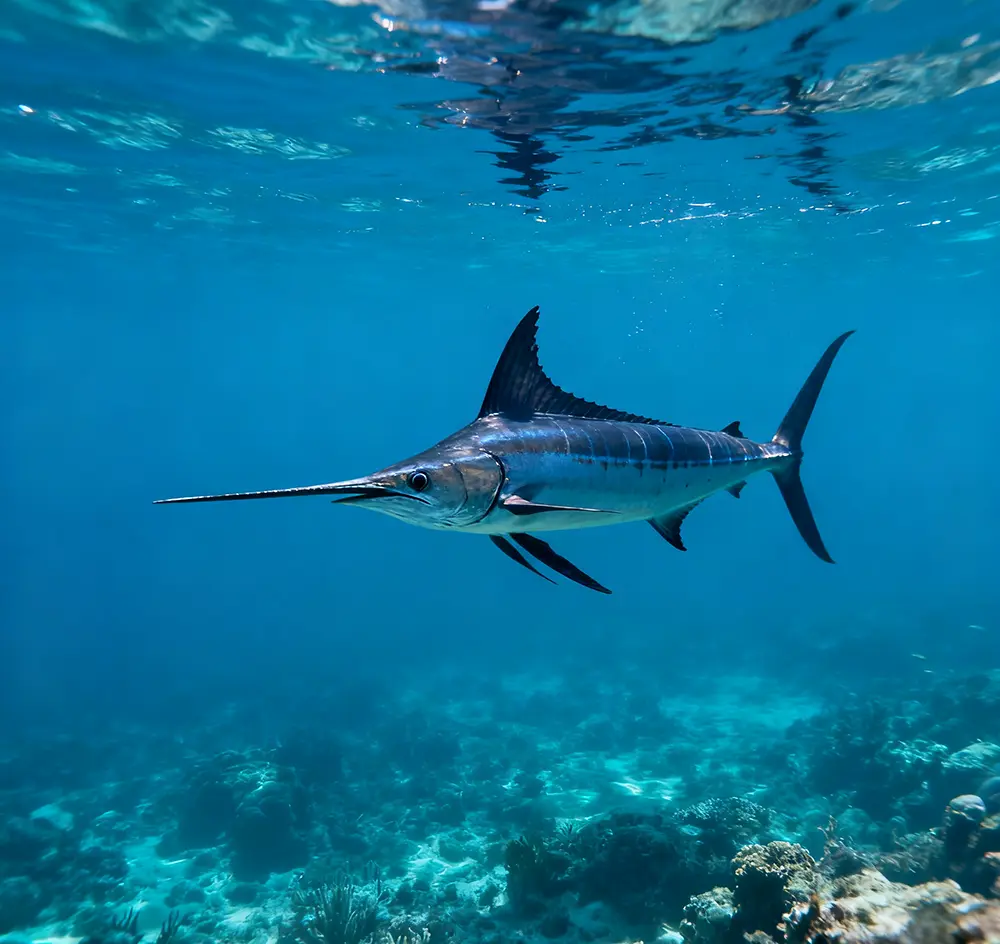 Swordfish: The Silver Blade of the Ocean
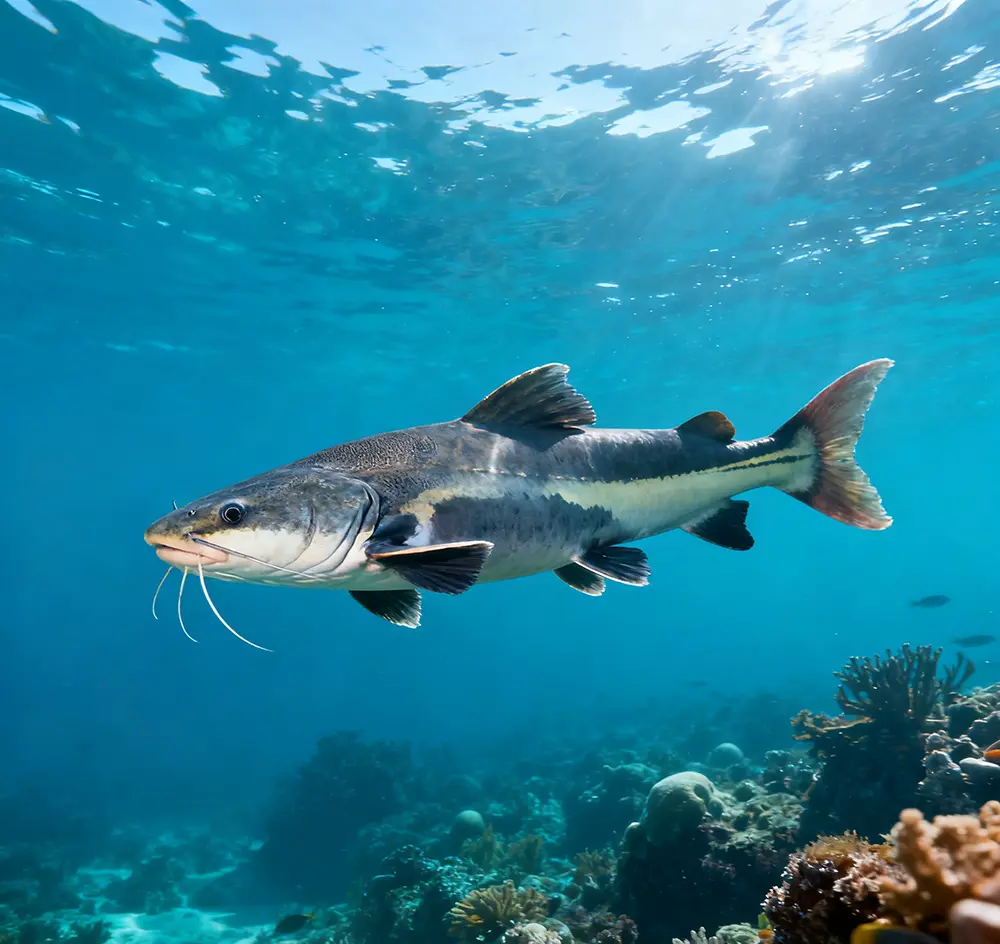 Hardhead Catfish Decoded: Morphology, Habits, Edible Value, Varieties, and Timing
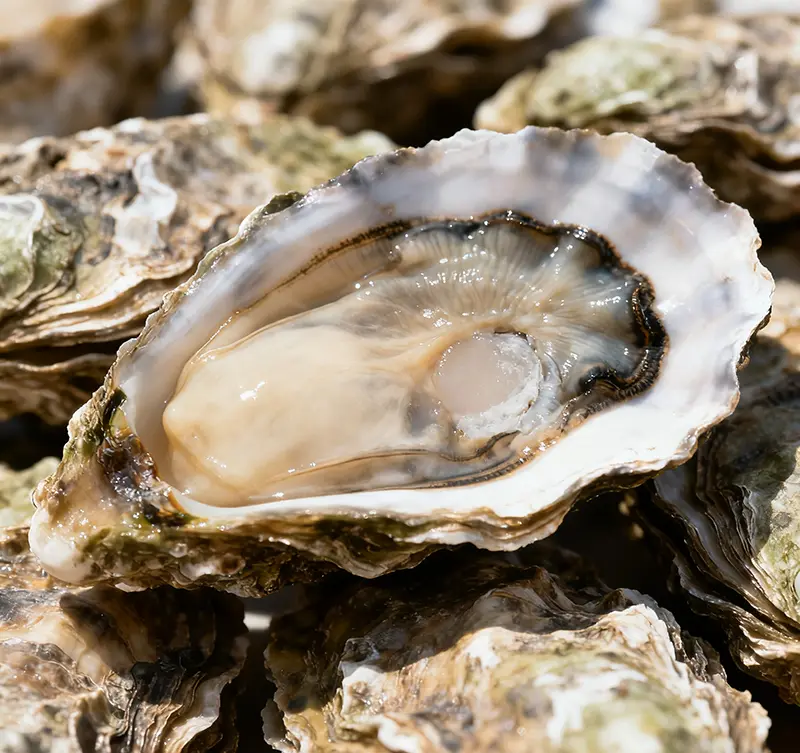 Oysters: Living Filters of the Ocean
 On the Bamboo Clam: Morphology, Burrowing Habits, Edible Value, Species Diversity, and Seasonal Occu
 Comprehensive Study of the Giant Tiger Prawn (Penaeus monodon) in Indonesian Waters
Comprehensive Study of the Giant Tiger Prawn (Penaeus monodon) in Indonesian Waters
Oysters: Living Filters of the Ocean
Oysters: Living Filters of the Ocean
 A Comprehensive Analysis of the Indonesian White Prawn (Penaeus merguiensis)
A Comprehensive Analysis of the Indonesian White Prawn (Penaeus merguiensis)